In the fast-evolving ecosystem of global Afrobeats, a seismic shift has occurred at the front of the stage. The role of the hypeman—traditionally a secondary functionary designed to echo a DJ or artist—has undergone a metamorphosis. Today, personalities like Toby Shang are not just supporting the music; they are the main event, spearheading a distinct sub-genre known as ‘Afrohype.’ This evolution represents a complete re-imagining of live performance, where 100,000-volt energy, viral catchphrases, and rapid-fire engagement turn a standard DJ set into an interactive, high-octane cultural phenomenon.
Key Highlights
- The Rise of Afrohype: The transformation of the hypeman role into a standalone performance art form that drives live event engagement.
- Viral Economics: How catchphrases and ‘100,000-volt’ energy translate into massive social media traction and streaming numbers for the songs they support.
- The Toby Shang Effect: Analyzing the methodology of top-tier hypemen who balance crowd psychology with precise, high-tempo vocal delivery.
- Industry Professionalization: The shift from ‘guy with a mic’ to professional entertainers commanding significant booking fees and corporate sponsorships.
The Professionalization of Energy: The Afrohype Revolution
The traditional hierarchy of the concert stage—artist at the top, DJ in the middle, and hypeman in the background—has been irrevocably flattened. In the era of short-form video content, where a 15-second clip can make or break a track’s chart performance, the ‘Afrohype’ artist has emerged as the industry’s newest power broker. At the center of this movement is Toby Shang, whose distinct brand of audience-hyping has become the industry benchmark. What was once dismissed as ‘noise’ or ‘chatter’ is now recognized as a precise technical skill set: the ability to read the frequency of a room, modulate vocal EQ through microphone technique, and trigger Pavlovian responses in a crowd.
The Methodology of ‘100,000-Volt’ Energy
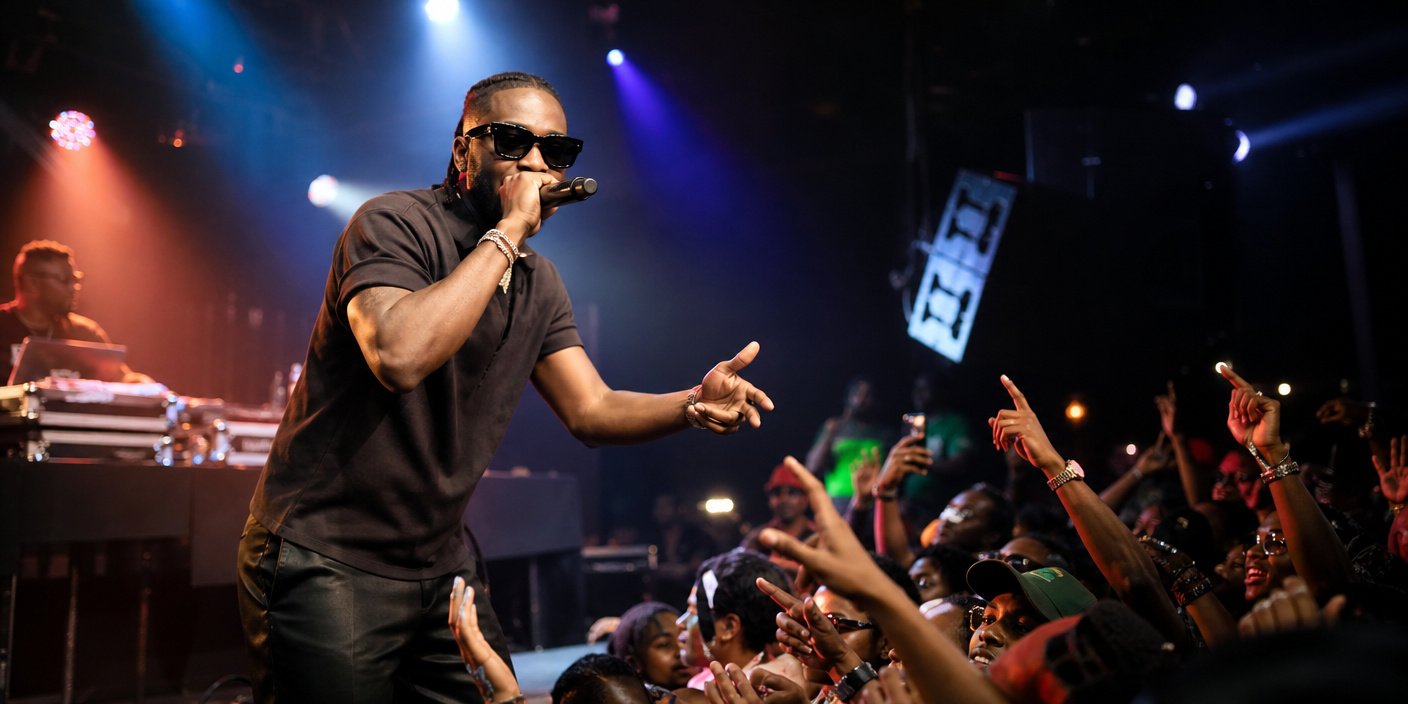
At the core of Afrohype is a commitment to relentless, sustained enthusiasm—often described as ‘100,000-volt’ energy. This is not merely shouting; it is an exercise in rhythmic endurance and crowd control. When a hypeman like Toby Shang enters the fray, they are calculating the ‘drop’ of the beat against the anticipation of the crowd. By delivering quick, rhythmic quips that sync perfectly with the percussion of the Afrobeats track, they create a ‘call and response’ loop that keeps the audience physically engaged. This technique serves a dual purpose: it maximizes the emotional peak of the concert experience and creates a signature ‘moment’ that audiences are compelled to record and share on platforms like TikTok and Instagram.
Viral Metrics: The New Currency of the Music Business
The economic impact of the Afrohype sub-genre cannot be overstated. In the pre-digital era, a hypeman’s value was limited to the venue. Today, their value is measured by digital impressions. When a hypeman drops a viral catchphrase over a specific section of a song, that snippet often becomes the defining soundbite for thousands of user-generated videos. This symbiotic relationship—where the song promotes the hypeman and the hypeman forces the song into the ‘trending’ category—has fundamentally altered A&R strategy. Labels and independent artists now actively seek out hypemen who can ‘break’ a song in a live setting, effectively turning the concert stage into an influencer marketing machine.
The Shift in Booking and Performer Equity
We are witnessing a correction in the market value of the hypeman. Ten years ago, the hypeman was often a friend of the DJ, paid a nominal fee or working for experience. Today, established Afrohype performers command professional-grade booking fees, maintain their own riders, and carry the marketing weight of the events they headline. They are no longer hired help; they are the ‘anchor’ of the night. This professionalization has led to a more structured industry, with agencies now treating hypemen as distinct entities rather than afterthoughts. The competition to be the ‘voice’ of a Lagos or London club night is fiercer than ever, driving a new standard of production value—complete with choreographed entrances, branded apparel, and customized vocal drops.
Future Projections: Beyond the Stage
The future of Afrohype is likely to move beyond the club circuit. We are already seeing the integration of these personalities into mainstream media, brand endorsements, and perhaps even their own music productions. As the line between ‘hypeman’ and ‘recording artist’ continues to blur, the next generation of Afrohype stars will likely release tracks where they are the primary vocalists, utilizing their live crowd-control experience to craft songs specifically designed for stadiums and festivals. The era of the silent or background hypeman is over; the era of the ‘Afrohype’ protagonist has arrived.
FAQ: People Also Ask
1. What is the difference between a traditional hype man and an ‘Afrohype’ performer?
A traditional hypeman generally supports the main artist by echoing lyrics. An ‘Afrohype’ performer is a standalone entertainer who uses vocal techniques, catchphrases, and crowd interaction to curate the entire energy of the room, often independently of the DJ’s track list.
2. Is Toby Shang a musical artist or just a personality?
Toby Shang operates as a professional personality/entertainer. While he is primarily known for his live performance skills, he functions as a brand that influences music discovery and song virality, bridging the gap between talent and influencer.
3. How does ‘Afrohype’ impact song streaming numbers?
It acts as a force multiplier. By creating viral moments (catchphrases, intense drops) that are clipped and shared on social media, Afrohype performers force an ‘earworm’ effect, driving listeners to stream the original song to find the full version of the viral snippet.
4. Is ‘Afrohype’ a sustainable sub-genre?
Yes, it is currently in a growth phase. As long as live music relies on audience engagement and viral social media moments, the role of the hypeman will continue to evolve and command higher market value within the Afrobeats ecosystem.