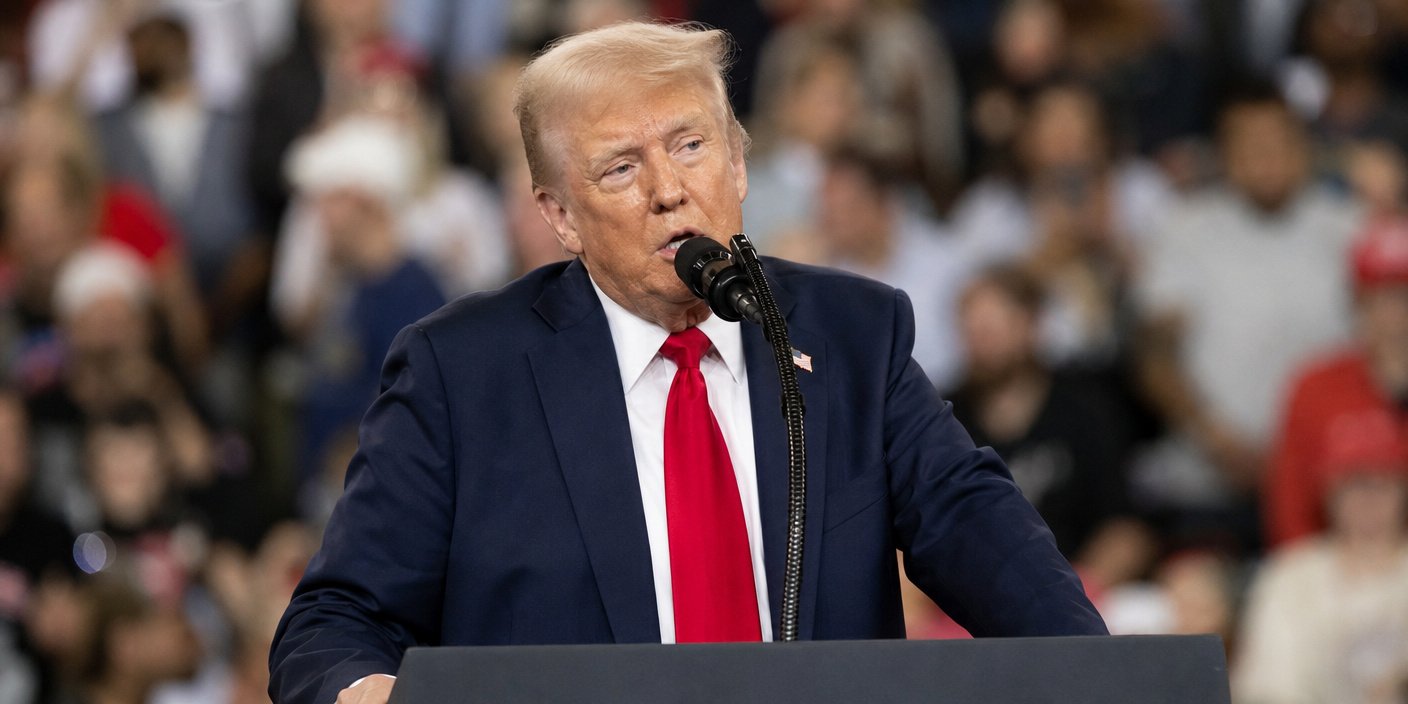
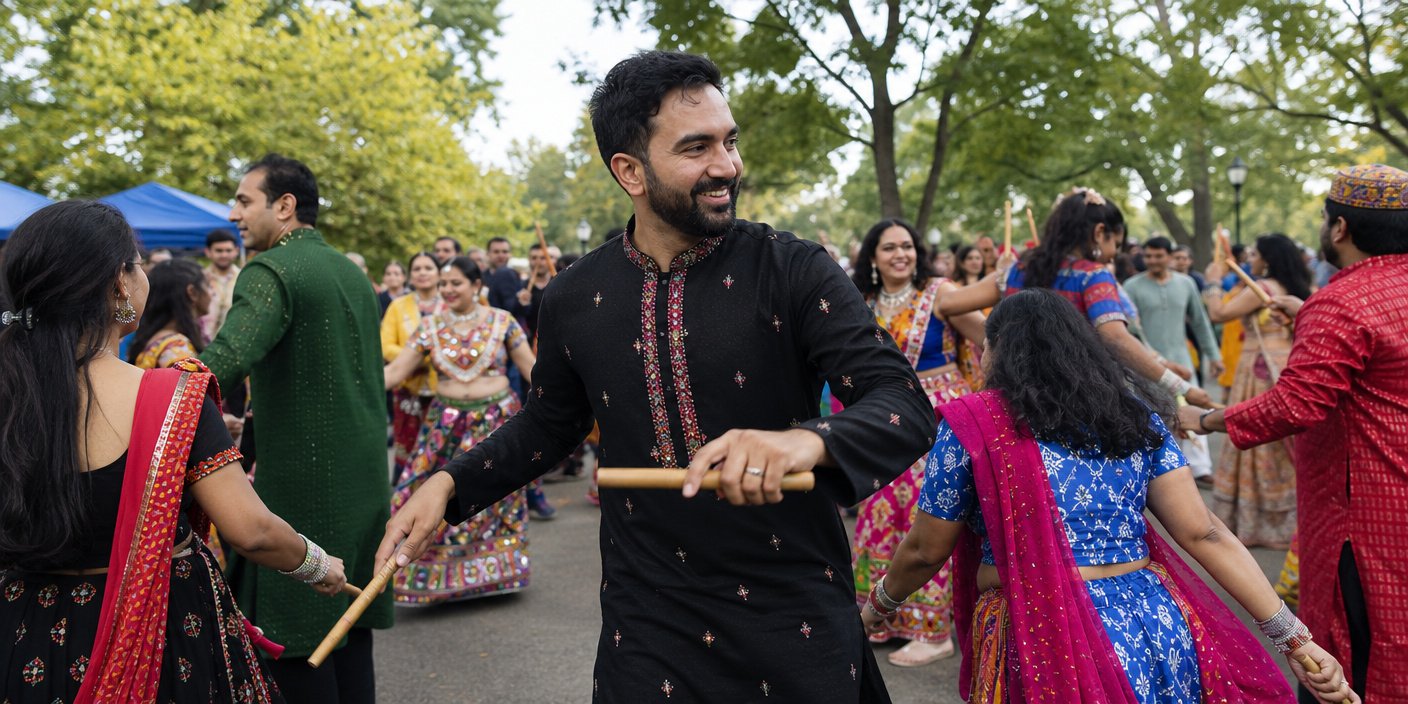
New York State Assemblymember Zohran Mamdani has struck a chord with the public after footage of him participating in the traditional Garba dance during recent Navratri celebrations went viral across social media platforms. The Assemblymember, representing the 36th District in Queens, was filmed engaging in the rhythmic, high-energy folk dance, a centerpiece of the nine-night Hindu festival honoring the goddess Durga. The footage, which shows Mamdani seamlessly participating in the communal dance, has been lauded as a genuine moment of cultural appreciation and connectivity between an elected official and the vibrant South Asian diaspora that defines a significant portion of his constituency.
Key Highlights
- Viral Engagement: A video of Assemblymember Zohran Mamdani performing Garba has garnered significant social media traction, highlighting the intersection of cultural celebration and civic representation.
- Cultural Significance: The event centered on Navratri, a major Hindu festival, illustrating the integration of South Asian traditions into the broader tapestry of New York City life.
- Community Connection: The display is being interpreted by observers as a testament to Mamdani’s commitment to engaging with the diverse communities within his Queens district.
- Public Sentiment: The viral nature of the clip reflects a growing public interest in authentic, humanizing moments from political figures that transcend traditional campaign messaging.
The Intersection of Tradition and Public Service
The viral video of Zohran Mamdani performing the Garba dance is more than just a fleeting social media moment; it represents a shifting paradigm in how elected officials in New York City engage with the diverse cultural identities of their districts. Navratri, a festival characterized by ‘Garba’—a dance performed in concentric circles around a symbolic light or image of the goddess—is a powerful communal practice that emphasizes unity, devotion, and collective rhythm. When an elected representative participates in such a tradition, it signals a move away from performative photo-ops and toward authentic cultural participation.
Understanding the Garba Phenomenon
Garba is not merely a dance; it is a manifestation of social cohesion. Participants move in circles, often using ‘dandiya’ (sticks) or simply clapping, to celebrate the triumph of good over evil. In the context of Queens, a borough known as one of the most culturally diverse places on the planet, the Garba dance has evolved from a private community ritual into a public celebration. By joining the dancers, Mamdani tapped into a deeply rooted communal rhythm that resonates with thousands of constituents who view these traditions as the bedrock of their community identity.
The Digital Impact of Authenticity
In an era of highly curated political branding, the raw, unedited nature of the video contributed heavily to its virality. Unlike staged political events, the footage captured a genuine display of movement and coordination. Social media algorithms, which currently prioritize short-form, high-energy, and ‘humanizing’ content, amplified the clip, exposing a broader audience to the nuances of Hindu-American traditions. This phenomenon underscores a crucial lesson for modern campaigning: the ability to participate in the ‘lived experience’ of constituents is becoming a highly valued political currency.
Shaping the Future of Civic Identity
The inclusion of South Asian cultural practices into the mainstream political narrative of New York City is a relatively recent, yet rapidly accelerating trend. As more representatives from the South Asian diaspora take office, the visibility of festivals like Navratri, Diwali, and Eid is increasing in the public square. This visibility provides more than just aesthetic representation; it provides a platform for constituents to see their own heritage reflected in the actions of their leaders. Mamdani’s participation serves as a catalyst for a broader conversation about what it means to represent a multicultural district in the 21st century.
Historical Context: The Evolution of Queens
To understand the significance of this viral moment, one must look at the historical trajectory of Queens. Historically a hub for various immigrant waves, the borough has transitioned from a collection of distinct ethnic enclaves to a highly integrated, multicultural society. The Garba dance, once confined to local community centers, is now a regular fixture in public parks and squares across the city. Mamdani’s dance serves as a symbolic bridge, connecting the historical roots of the diaspora with the modern, pluralistic reality of New York State politics.
FAQ: People Also Ask
What is the significance of the Garba dance?
Garba is a traditional Gujarati folk dance performed during Navratri, a nine-day Hindu festival. It celebrates the victory of good over evil and is intended to foster community, unity, and shared joy among participants.
Why does Zohran Mamdani’s participation matter?
For many constituents, seeing an elected official participate in a cultural tradition shows a level of ‘lived’ representation. It validates the cultural practices of the immigrant communities within the district and moves beyond surface-level political support.
How does this event impact public perception of NYC politics?
It highlights a shift toward more ‘human-centric’ politics. Viral moments that show politicians as relatable, culture-sharing individuals tend to foster higher levels of trust and engagement among younger, digitally-native voters compared to traditional, rigid political communication.