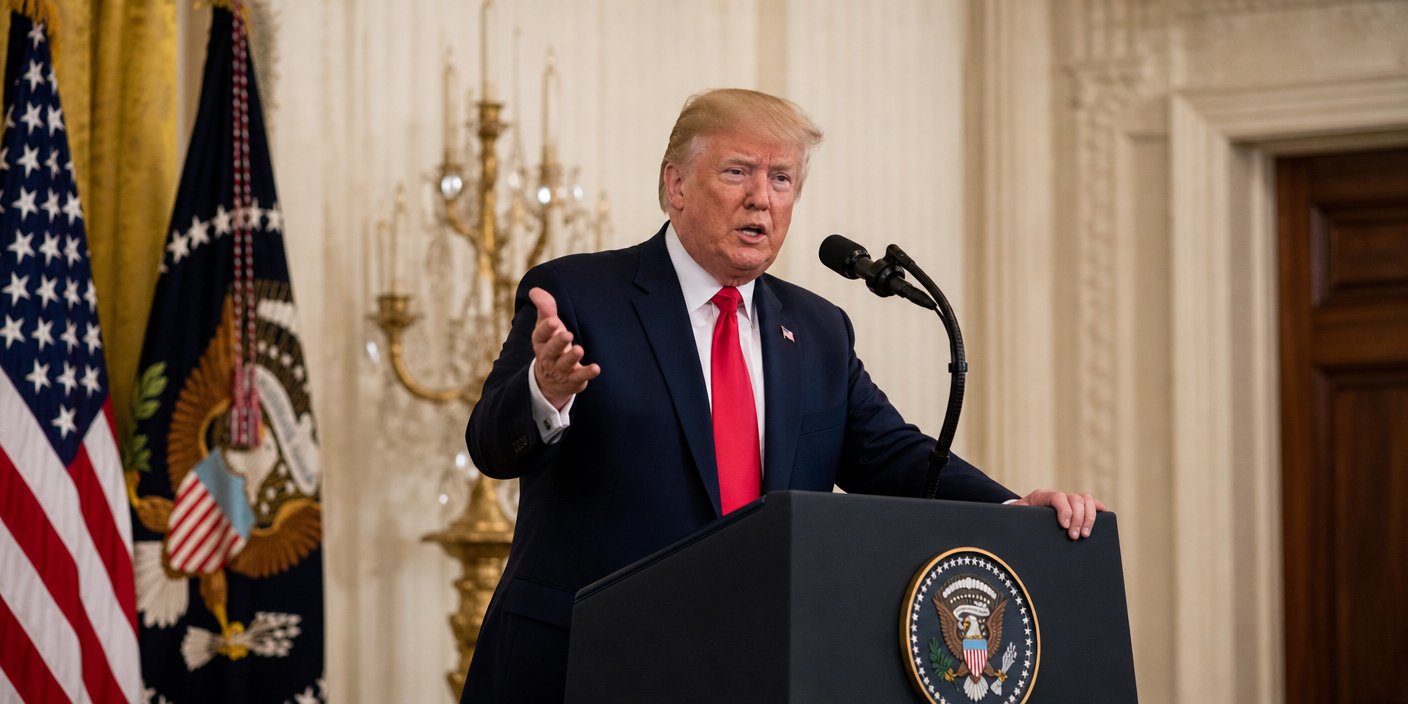
President Donald Trump has officially returned to Washington D.C. following an extensive diplomatic circuit through China and the Philippines, immediately capturing media and market attention by teasing a “really historic” announcement scheduled for this coming Saturday at noon. The President’s return marks the conclusion of a high-profile tour that saw intensive negotiations regarding international trade, regional security, and the ongoing denuclearization of the Korean Peninsula.
Key Highlights
- President Trump has concluded his official state visits to China and the Philippines, focusing on recalibrating U.S.-Asia economic relations.
- A “really historic” announcement is confirmed for Saturday at 12:00 PM EST, with analysts speculating on major trade policy shifts.
- Discussions in Beijing reportedly centered on trade imbalances, while meetings in Manila emphasized regional cooperation and counter-terrorism.
- The White House has framed the upcoming conference as a definitive summary of the administration’s new “Indo-Pacific” strategy.
The Strategic Pivot: Diplomatic Outcomes and Economic Implications
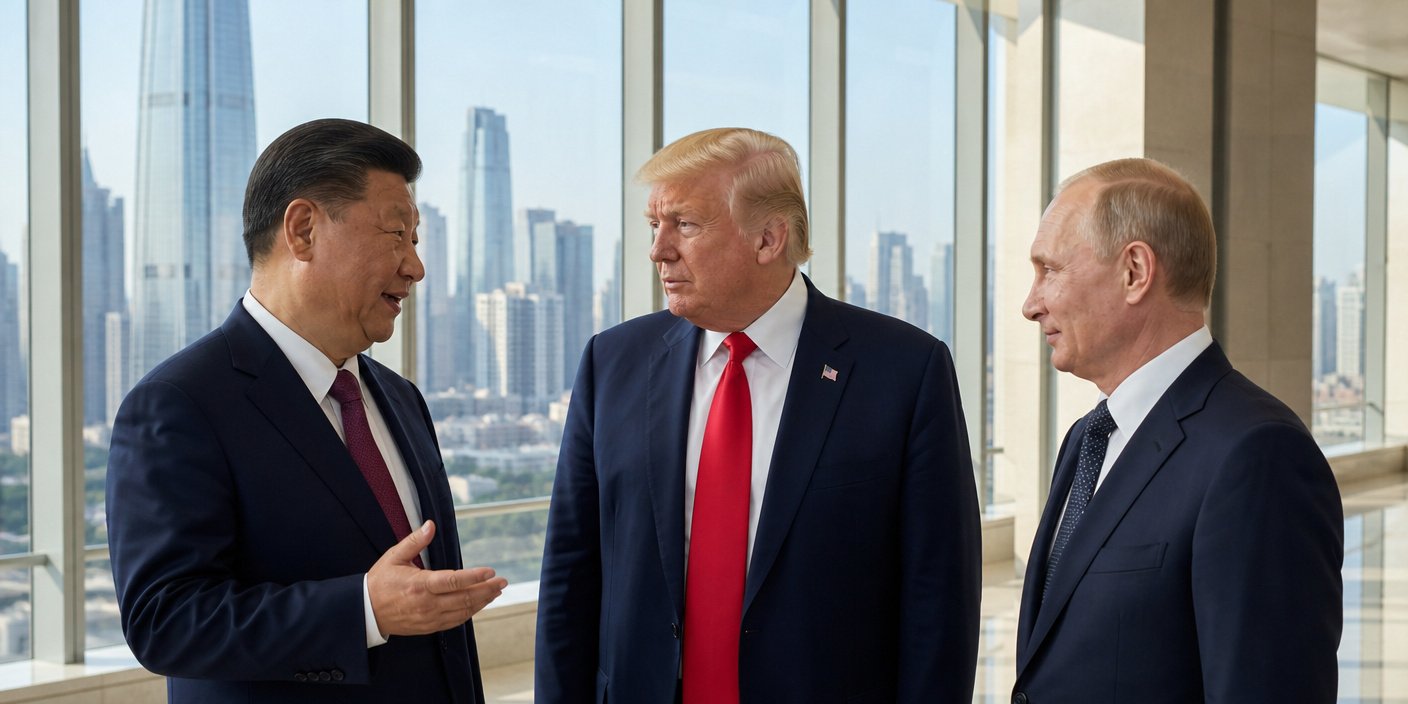
As the administration transitions from the travel phase to the policy implementation phase, the upcoming Saturday conference is being positioned as a pivot point for U.S. foreign policy. The recent tour, which included stops in Beijing and Manila, was designed to address long-standing economic grievances and foster personal relationships with key world leaders, most notably Chinese President Xi Jinping and Philippine President Rodrigo Duterte.
Trade Negotiations and Market Stability
One of the primary drivers of the anticipation surrounding Saturday’s announcement is the trade deficit narrative. During his time in China, the President emphasized the need for a “fair and reciprocal” trading relationship. Economic advisors have hinted that the “historic” nature of the upcoming announcement may involve a structural adjustment to existing trade agreements or a set of new executive actions designed to protect American industries. The financial sector is currently bracing for potential shifts in tariff policies and intellectual property enforcement standards, which were major talking points during the Beijing leg of the trip. The complexity of these negotiations suggests that Saturday’s conference will not merely be a recap, but rather a presentation of tangible outcomes that could move markets.
Geopolitical Security in the Indo-Pacific
Beyond economics, the tour was underscored by the ongoing regional security concerns regarding North Korea and maritime territorial disputes. In the Philippines, the focus shifted to the stability of the Indo-Pacific region. The administration has repeatedly utilized the term “Indo-Pacific” to replace the traditional “Asia-Pacific” lexicon, signaling a strategic intent to expand the scope of cooperation to include India. Analysts note that the conference on Saturday will likely clarify how the U.S. plans to maintain its security footprint in the region while balancing the assertive geopolitical maneuvering of China. The inclusion of these security parameters suggests that the President may unveil a multi-faceted approach, linking economic incentives directly to security cooperation, a hallmark of his ‘America First’ doctrine.
The ‘Really Historic’ Rhetoric
President Trump’s use of the superlative “really historic” has historically preceded significant executive actions or major policy reversals. In the context of this trip, the phrasing is being scrutinized by observers to determine whether it refers to a breakthrough in trade volume, a new regional security pact, or perhaps a formal shift in diplomatic protocol. The specific timing of the announcement—noon on a Saturday—is unconventional for routine press events, suggesting the White House intends to capitalize on a specific media window to ensure the news cycle is dominated by the administration’s preferred narrative. This theatrical element is central to the President’s communication strategy, aimed at maintaining leverage during the post-trip analysis phase.
Looking Ahead: The Domestic Policy Impact
While the trip was international, the domestic audience remains the primary target. The administration is clearly signaling that the achievements made abroad will translate into tangible benefits for the American worker. Whether through job creation initiatives stemming from new trade deals or the strengthening of domestic manufacturing through protective policies, the Saturday announcement is expected to tie the international successes of the tour back to domestic economic health. This narrative is crucial for the administration as it prepares for the next legislative session.
FAQ: People Also Ask
Q: What exactly did the President mean by ‘really historic’?
A: While the White House has not disclosed the specifics, the term is typically used by the administration to describe major policy shifts, significant trade agreements, or substantial breakthroughs in diplomatic negotiations. Saturday’s announcement is expected to provide the concrete details behind this label.
Q: How does the Saturday announcement impact U.S.-China trade relations?
A: Given the focus of the Beijing visit was primarily on addressing trade imbalances, analysts expect the announcement to include new executive measures or agreements intended to curb the trade deficit and address intellectual property concerns.
Q: Why was the Philippines stop significant in this context?
A: The Philippines visit served as a critical platform for discussing regional stability and counter-terrorism, while also allowing the administration to reinforce its new ‘Indo-Pacific’ strategic framework, which aims to broaden the scope of U.S. security interests in Asia.
Q: Should investors be concerned about volatility following the announcement?
A: Markets often react to policy uncertainty. Since the President has promised a ‘historic’ update, investors are currently operating with heightened sensitivity to any news regarding trade tariffs, international agreements, or shifts in foreign policy direction.