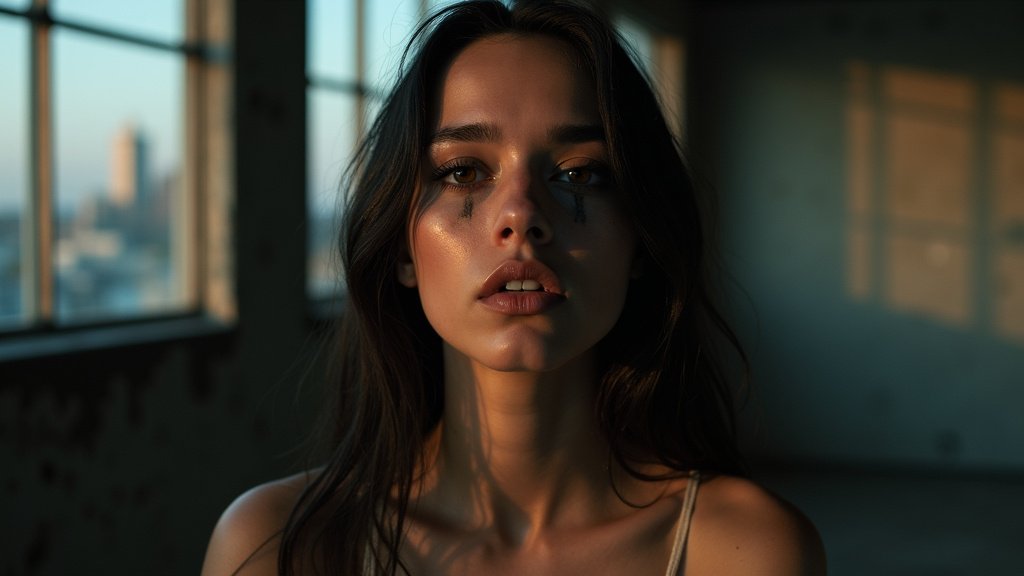
A compelling new makeup phenomenon is currently trending across social media platforms, capturing the imagination of Generation Z. Dubbed the “Tired Girl” trend, this viral social media makeup style deliberately emphasizes, rather than conceals, signs of fatigue, transforming exhaustion into a distinct fashion statement. Far from merely a cosmetic choice, this emergent aesthetic is widely interpreted as a profound commentary on contemporary burnout culture.
The Anatomy of Exhausted Chic
At the core of the “Tired Girl” style lies a precise collection of cosmetic applications designed to evoke a look of deliberate weariness. The aesthetic is characterized by dark under-eye smudges, reminiscent of sleepless nights, paired with an intentionally pale skin tone. Completing the ensemble are muted, bruised lip tints, which add to the overall impression of a day, or many days, of profound exertion. This carefully curated appearance creates a purposeful look of exhaustion, challenging traditional beauty norms that prioritize flawless, well-rested complexions.
Actress Jenna Ortega has emerged as a key figure in popularizing this striking aesthetic. Her public appearances and social media presence often showcase the characteristic elements of the look, solidifying its place within mainstream youth culture. The deliberate nature of the style is paramount; it’s not about actually being tired, but about artfully portraying it.
Roots in Rebellion and Revival
The “Tired Girl” trend is more than just a passing style; it represents a significant rebellion against social media’s pervasive pursuit of polished perfection. For years, platforms have been dominated by filters and meticulously edited images that present an often unattainable ideal of flawless beauty and endless energy. This new aesthetic directly counters that narrative, offering an authentic, albeit stylized, portrayal of modern life’s inherent stresses.
Its inspirations are diverse and deeply rooted in past and present cultural movements. A clear lineage can be traced back to the 1990s grunge aesthetic, which similarly embraced a raw, unkempt appearance as a form of anti-establishment expression. Fiona Horne of Australian band Def FX, an icon of the 90s alternative scene, has explicitly noted the striking similarity of the “Tired Girl” look to the grunge aesthetics prevalent during her era. Furthermore, the trend draws inspiration from K-beauty’s “hangover makeup”, a popular Korean beauty technique that subtly highlights the under-eye area to mimic a flushed, post-party glow.
A Reflection of Burnout Culture
Crucially, the “Tired Girl” trend is seen as a direct reflection of contemporary burnout culture. Generation Z, often lauded for its digital savviness and social awareness, is simultaneously grappling with unprecedented levels of academic pressure, economic anxiety, and the constant demands of an always-on digital world. By embracing fatigue as a fashion statement, young people are subtly, yet powerfully, communicating their collective exhaustion.
Social media creators have been instrumental in the trend’s rapid dissemination and adoption. They provide detailed tutorials on how to achieve the specific under-eye smudges, pallor, and lip tints, making the look accessible to anyone with an internet connection and a makeup kit. These tutorials break down the intricate steps, from selecting the right shades to the precise application techniques, transforming what might seem like an unkempt appearance into a meticulously crafted look.
This evolving beauty standard signals a profound shift in how youth express themselves and cope with societal pressures. What began as a viral social media phenomenon has quickly become a defining style for many, a visible symbol of an underlying cultural sentiment.
The Enduring Message of Weariness
As the “Tired Girl” trend continues to gain momentum, it serves as a fascinating lens through which to view the intersection of fashion, digital culture, and generational anxieties. It’s more than just makeup; it’s a statement about the pressures of modern life, a rejection of unrealistic ideals, and an embrace of raw, relatable humanity. This news signifies a notable evolution in beauty ideals, one that resonates deeply with the experiences of a generation navigating an increasingly demanding world. The trend underscores that sometimes, in a world obsessed with perfection, embracing imperfections can be the most rebellious act of all, solidifying its place as a significant cultural movement of our time.