In the annals of musical instrument manufacturing, few events have reshaped the landscape of sonic innovation as profoundly as Roland’s 2016 “The Future. Redefined.” livestream. Today, as the industry marks the 10th anniversary of this watershed moment, Roland Corporation has officially unveiled its commemorative “Then. Now. Next.” campaign. This initiative serves as both a retrospective of a decade defined by digital transformation and a strategic roadmap for the company’s impending technological advancements, bridging the gap between legacy hardware expertise and modern software-driven creativity.
Key Highlights
- Decadal Milestone: Roland celebrates the 10th anniversary of the 2016 “The Future. Redefined.” event, a global 24-hour product launch that set new standards for instrument showcases.
- Campaign Philosophy: The “Then. Now. Next.” initiative tracks the company’s evolution from traditional hardware manufacturing to a holistic ecosystem of cloud services, digital integration, and hardware-software hybrid solutions.
- Technological Legacy: The campaign highlights key product series—such as the TD-50 V-Drums and Zen-Core synthesis engines—that were birthed or refined during the “Redefined” era.
- Future Trajectory: Roland signals a focus on AI-assisted music production, enhanced connectivity, and the expansion of the Roland Cloud ecosystem as the pillars for the next decade of music creation.
The Evolution of Sonic Frontiers
To understand the gravity of the “Then. Now. Next.” campaign, one must revisit the atmosphere of 2016. At the time, the musical instrument market was struggling to reconcile traditional analog appeal with the rapid, often disruptive, digitization of music production. Roland’s “The Future. Redefined.” event was not merely a product launch; it was a defiant statement of intent. The event, which spanned a continuous 24-hour global broadcast, introduced the industry to the TD-50 V-Drums, the HP/LX digital piano series, and the System-8 PLUG-OUT synthesizer. These weren’t just new models; they were platforms designed for longevity, signaling a shift toward firmware-upgradable instruments.
The ‘Then’: Reclaiming the Digital Mandate
In the years immediately following 2016, Roland utilized the momentum from “The Future. Redefined.” to pivot aggressively. The “Then” component of their anniversary campaign focuses on the successful implementation of the Zen-Core synthesis system. By standardizing the sound engine across everything from professional synthesizers to compact grooveboxes, Roland created a cohesive sonic signature. This period saw the hardware manufacturer successfully transition into a digital services provider. The realization that an instrument’s value was no longer strictly defined by its physical chassis, but by its internal adaptability, became the cornerstone of Roland’s modern business model. This strategic shift effectively insulated the company from the volatile fluctuations of physical hardware sales by tying instruments to the expanding Roland Cloud ecosystem.
The ‘Now’: Bridging Hardware and Cloud
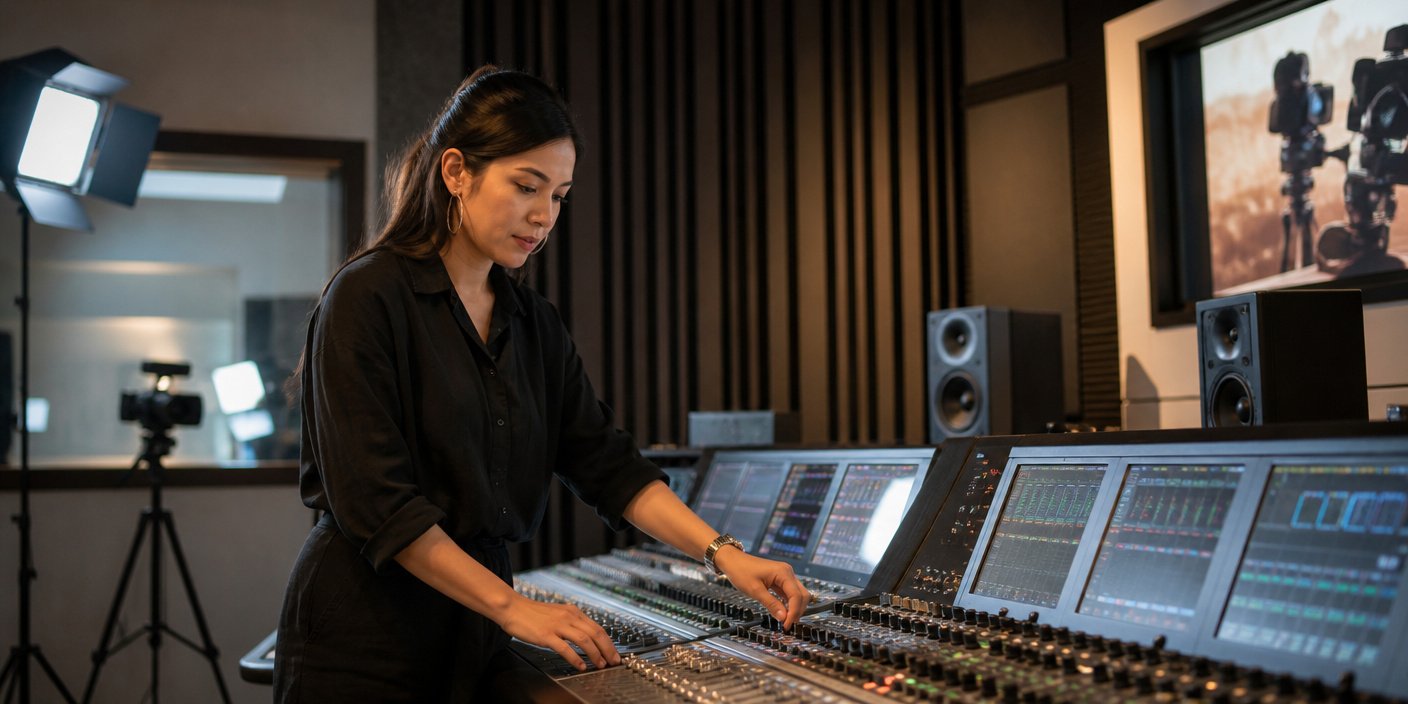
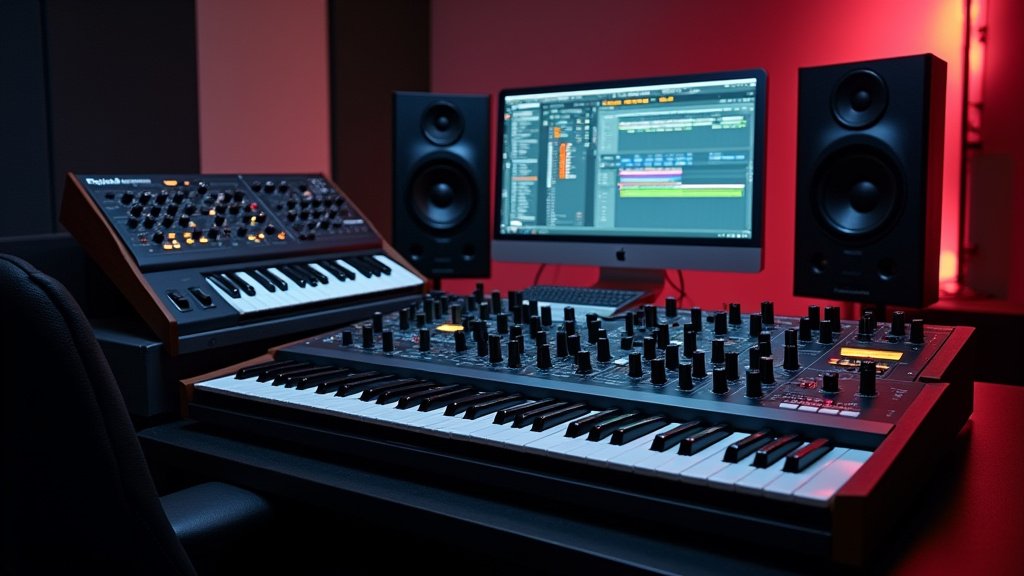
Currently, the “Now” phase of the campaign emphasizes the synthesis of disparate creative workflows. We are witnessing a professional environment where the hardware is a controller, an interface, and an instrument simultaneously. The success of the last decade has been built upon the connectivity between instruments. A musician can now start a beat on a desktop plugin, transfer it to a physical sequencer like the MC-707, and finalize the mix using hardware-modeled software effects—all within the Roland environment. This seamless integration, popularized in the post-2016 era, has fundamentally lowered the barrier to entry for professional-grade production, allowing bedroom producers to leverage the same sonic architecture used by touring acts and studio engineers.
The ‘Next’: Anticipating the Sonic Horizon
Looking toward the “Next” chapter, the company is positioning itself at the confluence of Artificial Intelligence and user-centric instrument design. The anniversary materials suggest that the next decade will move away from the obsession with emulating vintage analog gear and toward “discovery-based” synthesis. As AI begins to play a larger role in arrangement, composition, and sound design, Roland is signaling that its future hardware will likely act as tactile interfaces for these intelligent systems. The focus is no longer just on how an instrument sounds, but on how it accelerates the creative process. Expect the next phase of Roland’s roadmap to emphasize “generative connectivity,” where instruments do not just process data, but actively suggest, adapt, and refine creative ideas in real-time.
FAQ: People Also Ask
What was the ‘The Future. Redefined.’ event?
It was a historic 24-hour global livestream held on September 9, 2016, by Roland. It introduced major product lines like the TD-50 V-Drums and digital pianos, serving as a catalyst for the company’s decade-long digital transformation.
What does the ‘Then. Now. Next.’ campaign signify?
It is a commemorative campaign marking the 10th anniversary of the 2016 event, designed to reflect on the company’s technological journey, celebrate current hardware-software integration, and outline the future of music production technology.
How has Roland changed since 2016?
Since 2016, Roland has moved from being primarily a hardware manufacturer to an ecosystem-based company, heavily investing in the Roland Cloud, Zen-Core sound engines, and seamless cross-platform software integration.
Will Roland continue to produce physical instruments?
Yes. The “Then. Now. Next.” campaign emphasizes that physical instruments remain the anchor of the creative experience, but they are now designed to function as intelligent nodes within a larger, interconnected digital network.