The atmosphere at the Seattle Center—a site synonymous with community gathering and summer celebration—has shifted to one of mourning and urgent policy debate following a mass shooting during the annual ‘Bite of Seattle’ food festival. The incident, which resulted in the loss of three lives, has catalyzed a swift response from local government, specifically from Public Safety Committee Chair Bob Kettle, who is now demanding a comprehensive overhaul of the city’s approach to public safety and large-scale event security.
The Incident at ‘Bite of Seattle’
The ‘Bite of Seattle’ is traditionally one of the city’s most anticipated culinary and cultural gatherings, attracting thousands of residents and tourists to the grounds surrounding the Space Needle. The violence that unfolded during this year’s event has shattered the sense of security often associated with the downtown landmark. While law enforcement investigations are currently underway to determine the precise circumstances surrounding the shooting, the immediate aftermath has focused on the tragic loss of three individuals. This incident serves as a grim inflection point for the city’s public safety officials, who are now tasked with reconciling the openness of Seattle’s public spaces with the imperative need for heightened protection.
Councilmember Kettle’s Call to Action
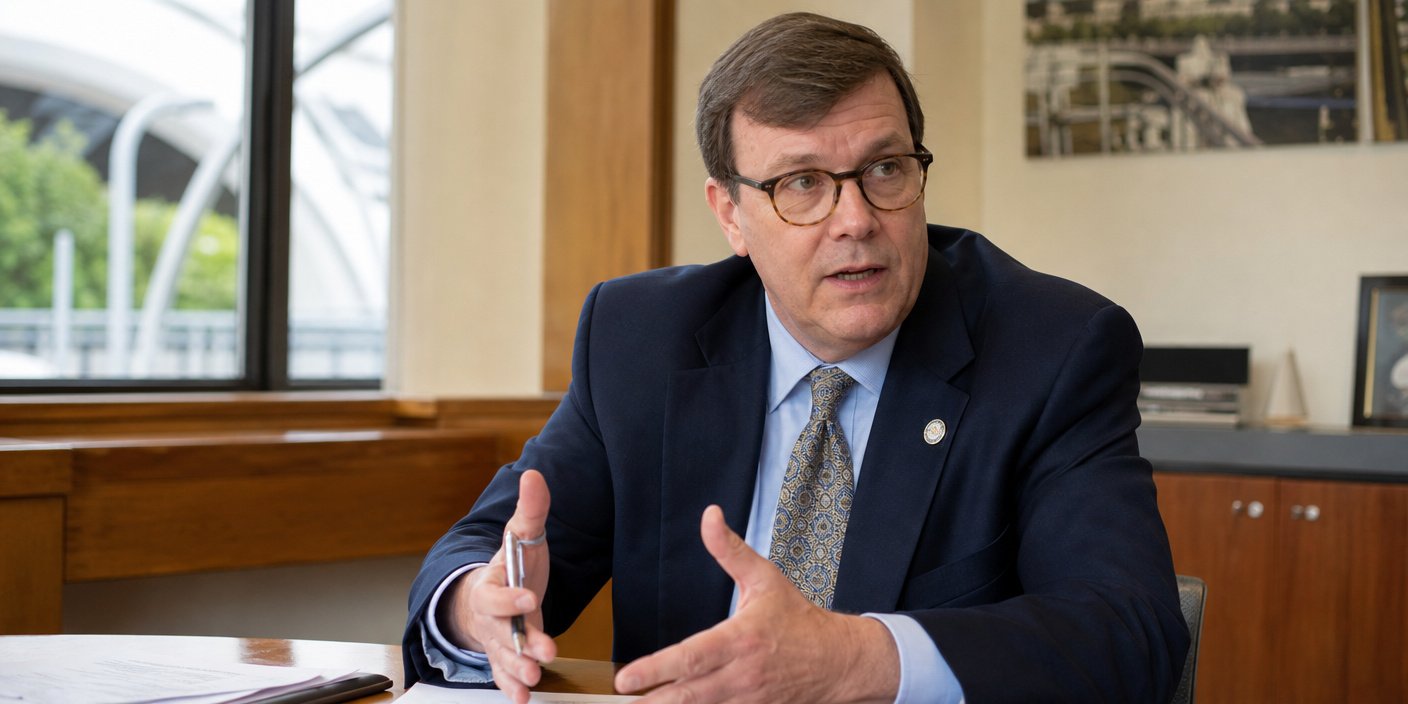
Public Safety Chair Bob Kettle wasted little time in addressing the public following the tragedy. In a formal statement, Kettle emphasized that a ‘comprehensive approach’ is no longer an option but a necessity. His mandate reflects a growing frustration among city leadership regarding the reactive nature of current public safety protocols.
Kettle’s proposed strategy centers on a multi-faceted approach: enhancing the coordination between private event security and the Seattle Police Department (SPD), investing in advanced surveillance technology, and re-evaluating the city’s permit processes for large public gatherings. ‘We cannot continue to operate under the assumption that existing protocols are sufficient for the current threat landscape,’ Kettle remarked, signaling a shift toward more rigorous vetting and security infrastructure for high-traffic public venues. This stance places him at the center of a brewing debate within the Seattle City Council regarding the balance between civil liberties and public security measures.
The Broader Implications for Seattle’s Urban Safety
This incident is not an isolated event in the public discourse; it arrives during a period of intense scrutiny over Seattle’s downtown revitalization efforts. The Seattle Center, as the crown jewel of the city’s tourism and entertainment district, is vital to the local economy. An event of this magnitude threatens to deter tourism and discourage local attendance at future festivals.
Policy analysts suggest that Kettle’s push for a ‘comprehensive approach’ may lead to legislative changes in how the city manages mass gatherings. This could include mandatory metal detection protocols, restricted perimeter access, and increased patrols during peak event hours. However, critics of such measures argue that transforming public parks into high-security zones could fundamentally alter the character of these spaces. The challenge for the Council will be to implement Kettle’s vision without stifling the vibrancy that the Seattle Center brings to the urban core.
Looking Toward a Security Paradigm Shift
As the investigation continues, the dialogue is shifting toward long-term solutions rather than temporary fixes. Kettle’s office has hinted at a series of upcoming public safety hearings that will likely involve stakeholders from law enforcement, private security firms, and community organizers. The goal is to move beyond the traditional response model and develop an integrated system that can predict and mitigate threats before they escalate into violent encounters.
For residents, the demand for action is clear. The tragedy at the ‘Bite of Seattle’ has fundamentally raised the stakes for city governance, making the upcoming policy debates not just a matter of logistics, but a test of the city’s resolve to protect its public spaces while maintaining the accessibility that defines Seattle culture.
FAQ: People Also Ask
1. What specific actions has Councilmember Bob Kettle proposed following the shooting?
Councilmember Kettle has called for a ‘comprehensive approach’ to public safety. While specific legislative text is forthcoming, his statements suggest a focus on better integration between private event security and the Seattle Police Department, as well as a potential update to security requirements for large-scale public event permits.
2. How has the community responded to the tragedy at the Seattle Center?
The community response has been a mix of grief, shock, and mounting pressure on city officials. There is widespread concern regarding the safety of public festivals, with many citizens demanding immediate, tangible changes to security procedures to prevent future violence.
3. Will the ‘Bite of Seattle’ continue in light of this event?
While organizers and city officials have not canceled future iterations of the festival, the event is currently under intensive review. Councilmember Kettle’s calls for a new safety framework suggest that if the event does proceed in the future, it will likely be subject to significantly stricter security protocols and oversight than in previous years.
4. What is the historical context of safety at the Seattle Center?
The Seattle Center has historically been viewed as a safe family-friendly hub. While minor incidents occur at large festivals, a mass shooting resulting in three deaths is an unprecedented anomaly for this location, representing a significant shift in the risk assessment for municipal events.