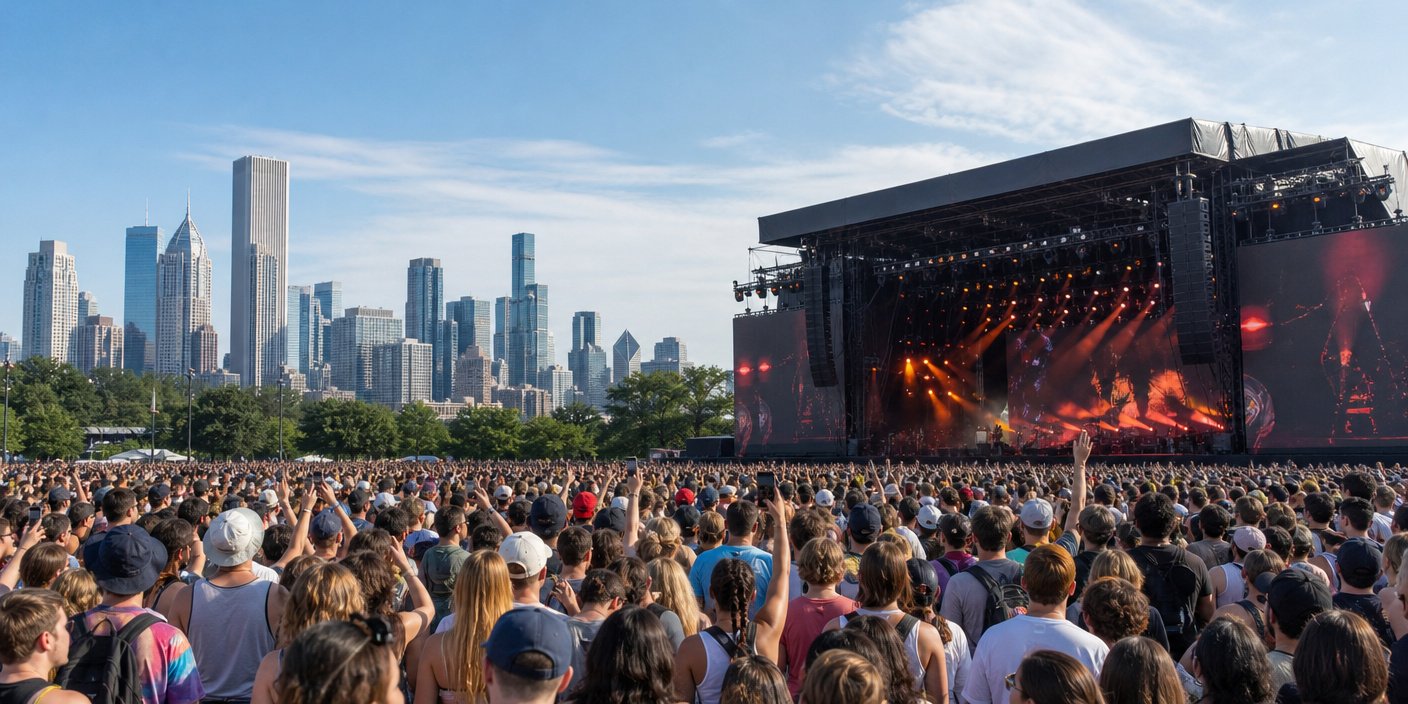
As the midsummer heat intensifies in Chicago, Grant Park is once again preparing to host one of the world’s most iconic music gatherings. Lollapalooza 2026 is officially set to return this week, bringing a four-day marathon of live performances that promises to cement Chicago’s status as a global hub for touring artists. With headliners including Lorde, John Summit, and Charli XCX, the festival returns to its historic footprint on the city’s waterfront, drawing thousands of attendees for a convergence of alternative, electronic, and pop music culture.
Key Highlights
- Event Schedule: A full four-day immersion, running from Thursday through Sunday, transforming Grant Park into a multi-stage sonic landscape.
- Headlining Acts: The marquee talent for 2026 includes alternative icon Lorde, electronic music powerhouse John Summit, and pop visionary Charli XCX.
- Location: The event remains anchored at Chicago’s Grant Park, utilizing the iconic skyline as a backdrop for the main stage operations.
- Festival Scope: As a major regional and national event, the festival serves as a critical tour stop for top-tier international acts, driving massive tourism into the Chicago metro area.
The Anatomy of the 2026 Lollapalooza Experience
The return of Lollapalooza to Grant Park is more than just a concert series; it is a calculated logistical operation that defines the cultural tempo of Chicago’s summer. For 2026, the curation team at C3 Presents has struck a balance between legacy alternative acts and the current vanguard of hyper-pop and house music. The presence of Lorde suggests a lean into introspective, high-production alternative performance, while the inclusion of John Summit represents the growing dominance of Chicago-born electronic music at festival main stages. Charli XCX rounds out the headliner tier, providing the frenetic energy and innovative pop aesthetic that has dominated the charts over the past year.
Logistics and the Urban Festival Model
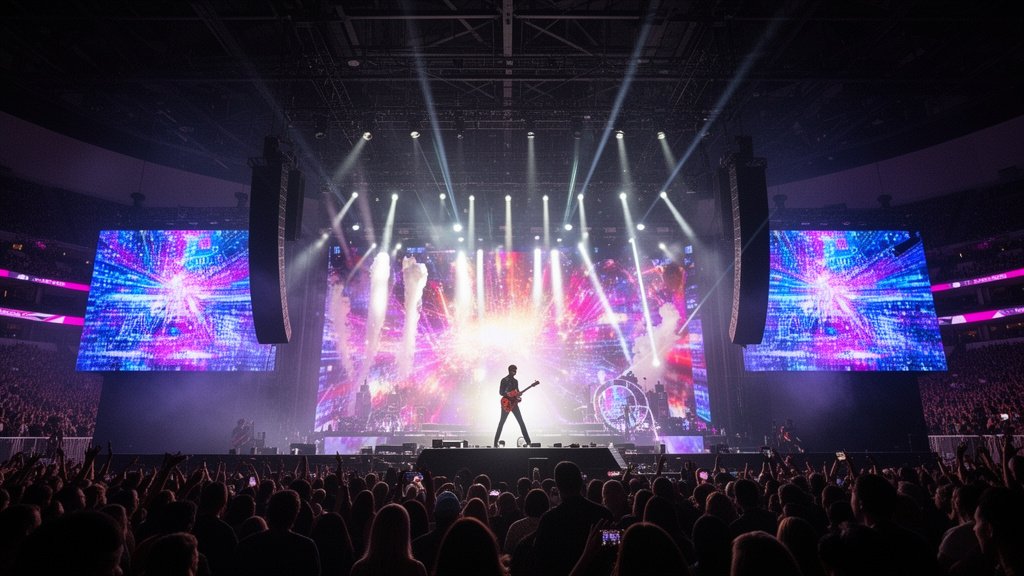
Transitioning Grant Park into a modular music city requires an immense orchestration of infrastructure. The 2026 setup utilizes the park’s sprawling acreage to separate distinct sonic zones, ensuring that the heavy bass of the Perry’s Stage does not bleed into the acoustic environments of the smaller, more intimate performance areas. For fans, navigating the festival requires a strategy of attrition—balancing the walk between the North and South ends of the park while managing the unpredictable Chicago summer weather. Organizers have emphasized that this year’s infrastructure upgrades focus on crowd flow, specifically addressing the bottlenecks that often occur near the Balbo Drive entry points. By integrating real-time transit data from the Chicago Transit Authority (CTA) directly into the festival’s official app, organizers are attempting to minimize the post-headliner exodus congestion.
The Economic and Cultural Engine
Lollapalooza serves as a critical economic engine for the city. Local hoteliers, restaurateurs, and small businesses rely on the influx of out-of-town visitors to sustain the service sector during the mid-summer lull. Beyond the bottom line, the festival acts as a cultural barometer. By platforming acts like Charli XCX and John Summit, the festival confirms shifts in consumer taste—specifically the transition away from monolithic rock headliners toward artists who leverage viral digital growth to fill stadium-sized fields. This year’s lineup reflects a ‘post-genre’ approach, where the audience is less concerned with stylistic purity and more interested in the ‘moment’—the singular, shareable experiences that dominate social media feeds and define festival lore.
Secondary Angles: Exploring the Festival Ecosystem
1. The Rise of Localized Electronic Identity: With John Summit headlining, the festival is leaning into the specific history of Chicago House music. This angle explores how a global festival reconciles its corporate structure with the underground roots of the city that hosts it.
2. Sustainability in Modern Festivals: As large-scale events face increasing scrutiny over waste management, the 2026 edition introduces new initiatives, including a fully cashless vendor system and expanded water refill stations to reduce single-use plastic reliance in Grant Park.
3. The Tech-First Fan Experience: We examine how the festival is utilizing RFID wristbands not just for ticketing, but as a digital wallet and social networking tool, effectively turning the entire park into an integrated tech environment.
FAQ: People Also Ask
Q: What are the exact dates for Lollapalooza 2026?
A: Lollapalooza 2026 is scheduled for this coming week in Chicago, running for four consecutive days at Grant Park.
Q: Who are the confirmed headliners for this year?
A: The 2026 lineup is anchored by Lorde, John Summit, and Charli XCX, representing a diverse mix of alternative, electronic, and pop genres.
Q: Is Lollapalooza returning to Grant Park?
A: Yes, the festival is returning to its traditional home at Chicago’s Grant Park, maintaining its long-standing relationship with the city’s waterfront location.
Q: What is the significance of this festival for the region?
A: It is recognized as a major regional and national event, serving as a primary driver of tourism and hospitality revenue in Chicago while acting as a critical tour destination for top-tier musical acts.