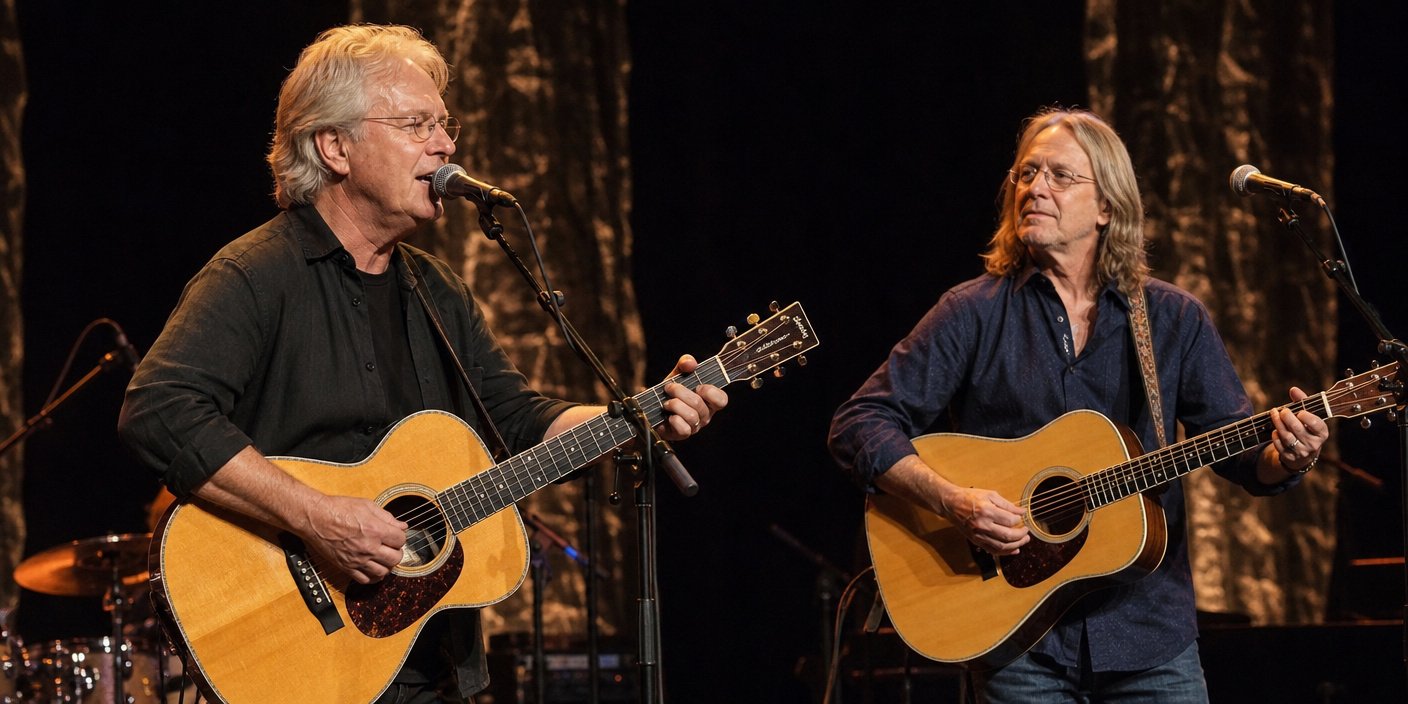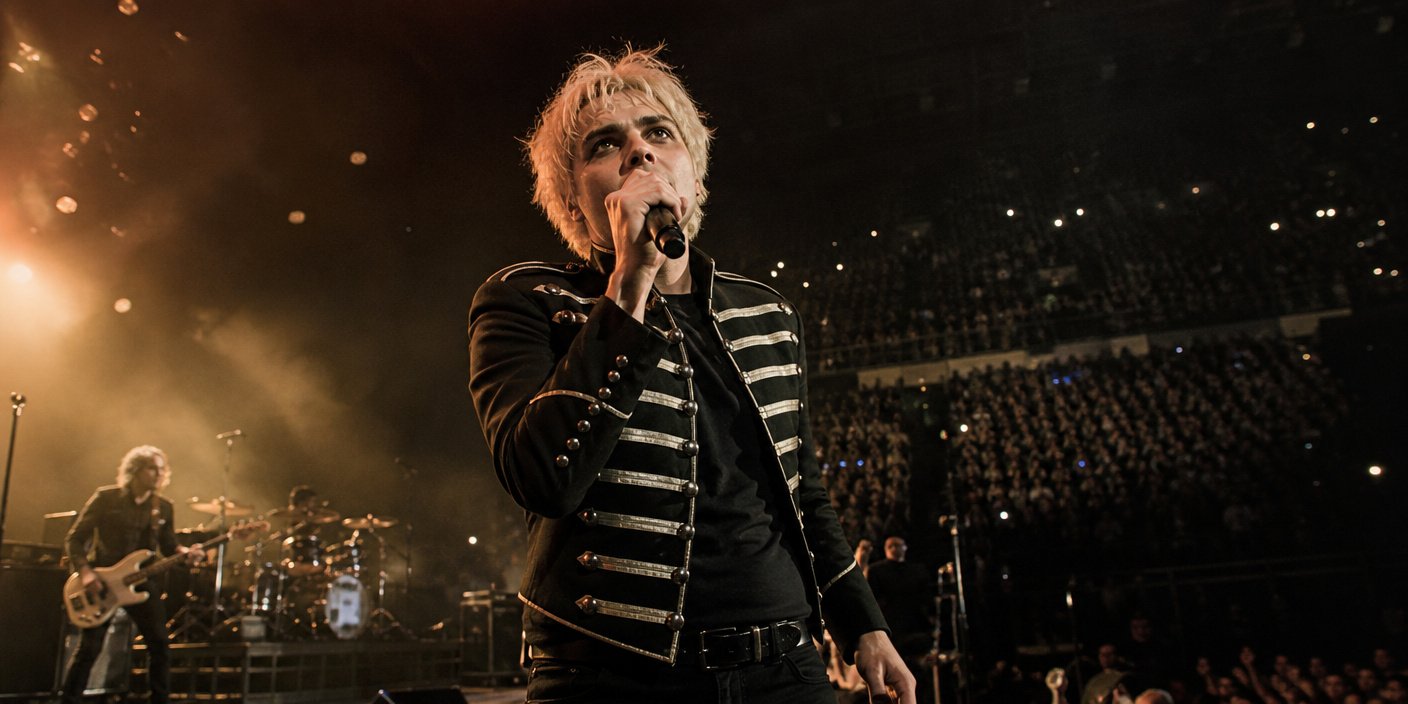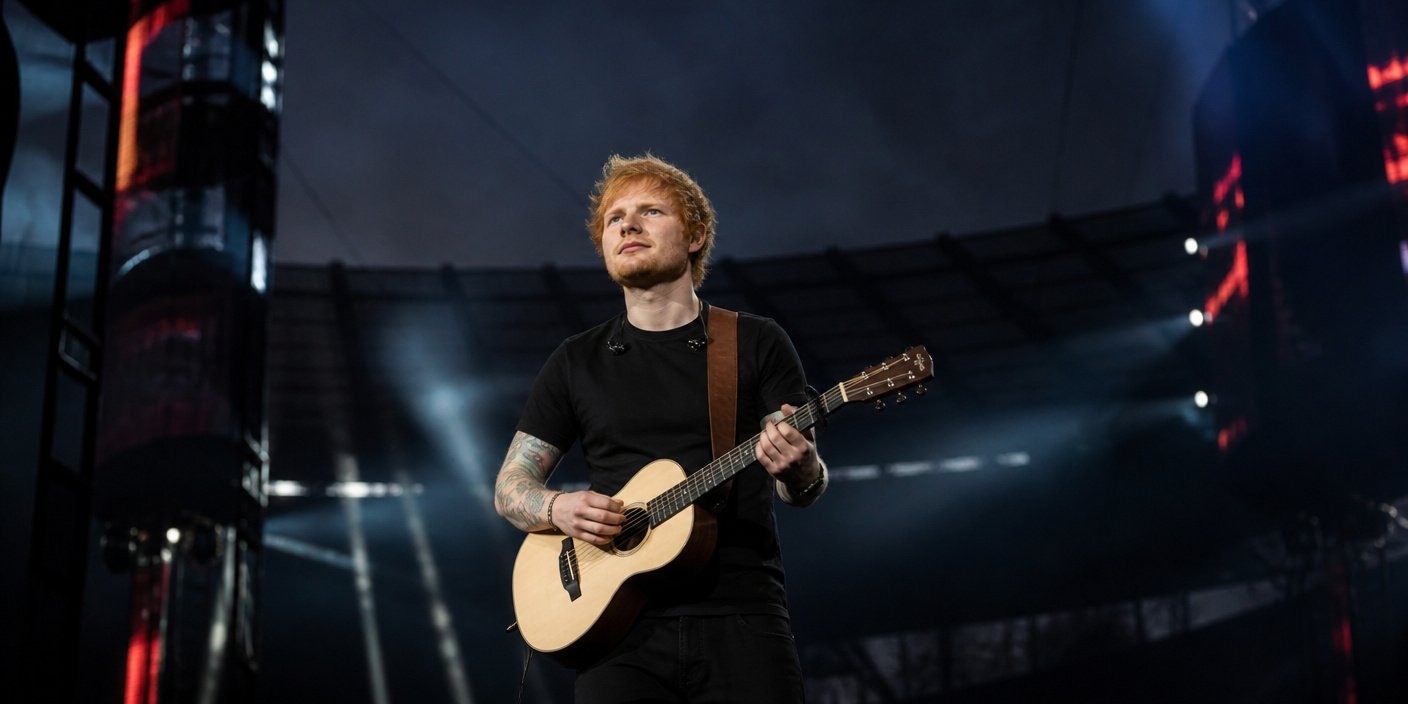
Ed Sheeran has become embroiled in a major cultural controversy following his decision to remove Macklemore from his ongoing US concert tour. The maneuver, which follows Macklemore’s pointed performance of the protest anthem ‘Hind’s Hall’ at MetLife Stadium, has escalated into a full-blown culture war, forcing the industry to confront the tension between massive commercial concert tours and the increasing demand for political accountability from artists.
Key Highlights
- The Catalyst: The removal of Macklemore comes immediately after his performance of ‘Hind’s Hall’ at MetLife Stadium, which drew sharp, immediate backlash from various advocacy groups.
- The Conflict: Macklemore has publicly criticized Sheeran, alleging that the decision to remove him was driven by external stakeholder pressure rather than creative choice.
- The Narrative: The situation has spiraled, with critics framing Sheeran’s silence and subsequent actions as a ‘maelstrom of his own making,’ casting a shadow over the remainder of his US dates.
The Fracture: Behind the Scenes of the Sheeran-Macklemore Split
The decision to cut a supporting act from a high-profile stadium tour is rarely a quiet affair, but the separation between Ed Sheeran and Macklemore has quickly transcended standard music industry squabbles. It has become a lightning rod for a wider debate regarding the responsibility of global superstars to facilitate—or censor—political speech within their curated concert environments.
The MetLife Flashpoint
At the heart of this controversy lies the performance at MetLife Stadium. Macklemore, known for utilizing his platform to address geopolitical issues, chose to perform ‘Hind’s Hall,’ a track deeply critical of the status quo and associated foreign policy. The reaction was instantaneous. Advocacy groups monitoring the event mobilized almost immediately, flooding social media channels and industry forums with complaints that labeled the performance as divisive and inflammatory. For a tour of Sheeran’s magnitude—where precision, non-controversy, and mass-market appeal are the operational baseline—this was viewed as an existential threat to the tour’s stability.
Pressure and the Price of Silence
Following the incident, Macklemore did not remain silent regarding his dismissal. The rapper has publicly challenged Sheeran, suggesting that his removal was not a matter of artistic creative differences but a capitulation to external stakeholders. According to reports from those close to the production, the pressure placed on Sheeran’s management team to keep the tour ‘politically neutral’ became untenable.
Critics argue that Sheeran’s failure to defend his choice of opening act creates a ‘maelstrom of his own making.’ By allowing external pressure to dictate the roster, Sheeran has effectively turned a musical stage into a political battlefield. For observers of modern music marketing, this represents a significant shift: the era of the ‘apolitical pop star’ is rapidly colliding with an audience that increasingly demands alignment and transparency.
The Future of Concert Activism
This fallout poses difficult questions for the touring industry. As major artists continue to bridge the gap between stadium pop and sociopolitical commentary, the risk profile of guest performers changes. When an artist like Sheeran—whose brand is built on accessibility and universal appeal—removes an artist like Macklemore, it signals a retreat from the confrontational aspects of contemporary music.
This incident will likely serve as a case study for tour managers and record labels regarding the integration of activist voices on mainstream stages. If the result of such collaboration is a,, ‘full-blown culture war,’ it is highly probable that future tour contracts will include increasingly rigid clauses regarding on-stage messaging and guest conduct, effectively sterilizing the live music experience to protect the commercial viability of the tour.
FAQ: People Also Ask
1. Why was Macklemore removed from the Ed Sheeran tour?
Following his performance of ‘Hind’s Hall’ at MetLife Stadium, which sparked backlash from advocacy groups, Macklemore was removed from the lineup. The move is widely interpreted as a response to pressure from external stakeholders concerned with the political nature of the song.
2. Did Ed Sheeran comment on the removal?
Ed Sheeran has maintained a notably reserved stance throughout the escalation, leaving the public criticism to Macklemore, who has been vocal about his perceived lack of support from the headlining artist.
3. What does ‘Hind’s Hall’ represent in this context?
‘Hind’s Hall’ is a track that functions as a political protest song. Its performance at a high-capacity venue like MetLife Stadium during a global tour elevated it from a niche creative choice to a high-visibility political act, triggering the controversy.
4. Will this impact future tour bookings?
Industry analysts suggest this situation could lead to stricter contractual ‘morality clauses’ and tighter control over guest performers’ setlists to avoid similar stakeholder backlash in the future.