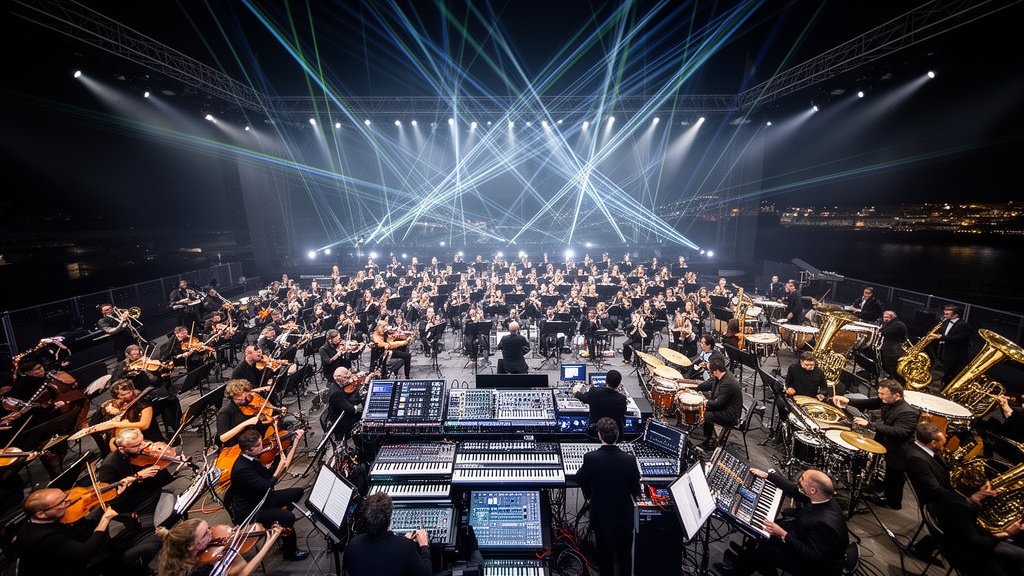
On September 12, 2026, Santa Cruz de Tenerife witnessed the birth of a new cultural landmark: the Noctámbula festival. While the Canary Islands have long been a bastion for tourism, Noctámbula signaled an ambitious pivot toward becoming a global nexus for high-concept musical production. The debut edition was not merely a concert series but a daring experiment in genre fusion, anchored by the ‘Tomorrowland Symphony of Unity.’ This centerpiece performance, featuring over 60 musicians, challenged the traditional boundaries between high-brow orchestral arrangements and the pulsating intensity of electronic dance music.
Key Highlights
- Debut Success: The inaugural Noctámbula festival took place in Santa Cruz de Tenerife on September 12, 2026, establishing a new flagship event for the Canary Islands.
- Orchestral Fusion: The event’s core attraction, the ‘Tomorrowland Symphony of Unity,’ successfully merged an ensemble of over 60 classical musicians with electronic production elements.
- Production Scale: The festival combined massive audiovisual infrastructure with acoustic precision, setting a new benchmark for outdoor electronic performances.
- Strategic Growth: Noctámbula signals a broader trend of large-scale ‘festivalization,’ where tourism-heavy regions are increasingly investing in sophisticated, artistically ambitious events to attract global audiences.
The Orchestral Evolution of Electronic Dance Music
The Noctámbula festival debut in Santa Cruz de Tenerife serves as a compelling case study for the evolution of live electronic performance. For decades, the industry relied on the solitary figure of the DJ—a single protagonist guiding a crowd through a pre-recorded and live-mixed soundscape. The ‘Tomorrowland Symphony of Unity’ breaks this mold entirely, introducing a collective, analog force that demands a fundamentally different approach to staging and acoustics.
Bridging the Gap: Classical Meets Digital
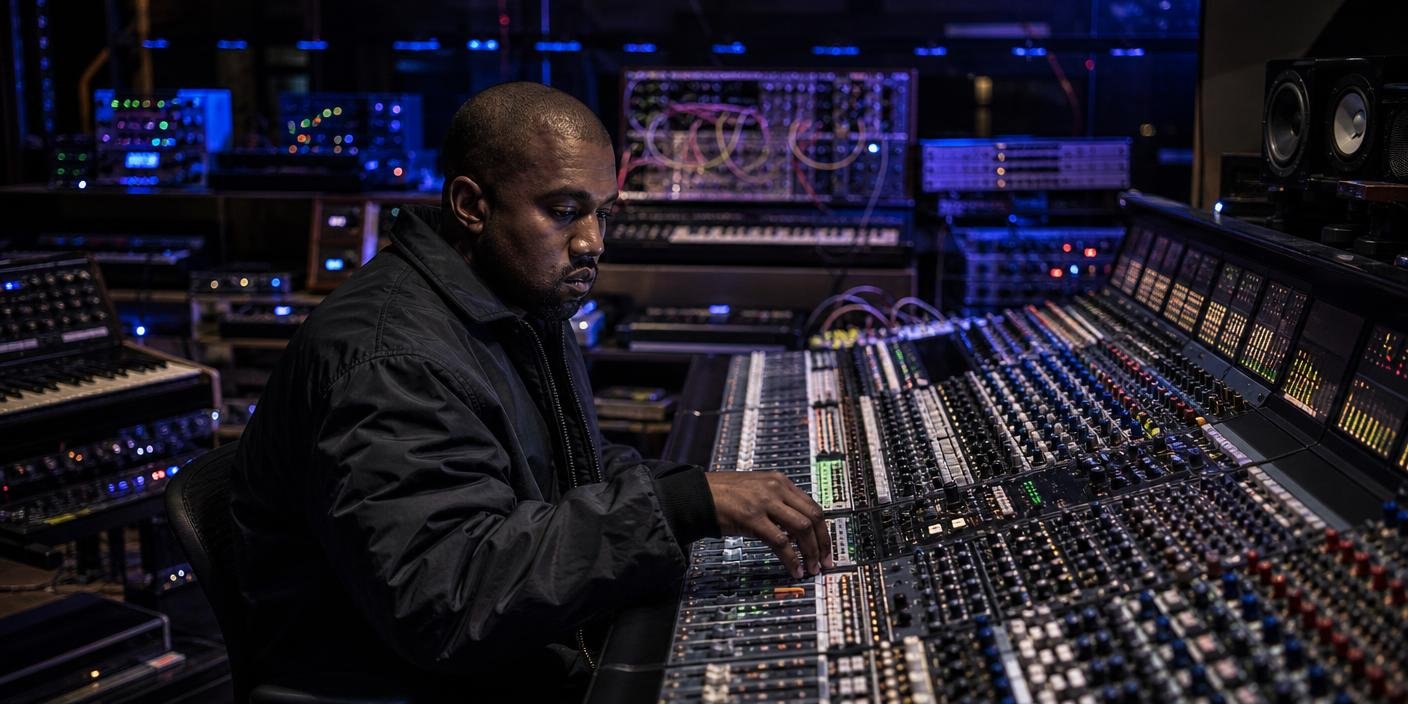
The performance saw over 60 musicians—ranging from string players to brass and percussionists—integrating their live contributions with complex electronic synthesis. This was not a simple overlay; it was a carefully curated reinterpretation. By using a full orchestra, the production team at Noctámbula was able to imbue standard techno and house tracks with a dynamic range that electronics alone often lack. The swell of a violin section adds emotional weight to a bass-heavy drop, creating a tension-and-release cycle that is biologically more visceral than a digital track alone. This integration effectively transforms the ‘rave’ into an ‘experience,’ appealing to a demographic that spans both classical music enthusiasts and hardcore techno fans.
Operational Scale: The Tenerife Production Logistics
Executing a production of this magnitude in Tenerife required overcoming significant logistical hurdles. Orchestral instruments are notoriously sensitive to temperature, humidity, and wind—variables that the Canary Islands offer in abundance. The stage design for Noctámbula had to incorporate climate-controlled micro-environments for the instrumentation while maintaining an open-air festival aesthetic. The lighting design synchronized perfectly with the orchestral movements, using data-driven triggers to match laser cues with the conductor’s tempo. This level of technical sophistication establishes Noctámbula as a frontrunner in the ‘smart festival’ movement, where the production technology itself is as much a part of the show as the music.
The Economic and Cultural Shift for the Canary Islands
The choice of Santa Cruz de Tenerife as the host city for Noctámbula is strategic. The Canary Islands have been aggressively diversifying their economy, and the ‘festivalization’ of tourism is a critical pillar of this strategy. By importing high-value intellectual property like the Tomorrowland brand, local organizers are shifting the perception of Tenerife from a sun-and-sand destination to an elite cultural destination.
Tourism and The Festivalization of Tenerife
Festival tourism represents a significant revenue multiplier. Attendees who travel for a high-end music event like Noctámbula tend to have higher spending habits compared to traditional package-holiday tourists. They require upscale accommodation, gastronomy, and logistical support, which stimulates local businesses. The success of this debut on September 12, 2026, proves that Tenerife can sustain large-scale, high-complexity events, paving the way for future long-term partnerships with global promoters.
Defining the Noctámbula Standard
Noctámbula has set a high bar. For future editions, the expectation is now established: the event cannot simply be a lineup of popular DJs. It must be an ‘event’ in the truest sense—a fusion of arts. This sets a precedent that will likely force competing festivals in the region to upgrade their production values, leading to a ‘rising tide’ effect for the entire live music ecosystem in Spain.
Future Horizons: Symphony of Unity’s Impact
As we look forward, the legacy of the Noctámbula debut will be defined by how it influences the ‘Tomorrowland Symphony of Unity’ brand and the wider festival landscape. We are witnessing a divergence in the electronic music market: on one end, the intimate, club-centric rave; on the other, the high-production, orchestral-infused spectacular.
Audience Demographics and Behavioral Shifts
Data from the debut suggest that the audience for Noctámbula was significantly more diverse than a standard electronic festival. The hybrid nature of the show attracted older, more affluent demographics who might have previously shunned electronic festivals. This ‘crossover’ appeal is the key to sustained growth. By providing an accessible entry point through the orchestra, Noctámbula is effectively widening the funnel for the entire electronic genre.
The Future of Hybrid Live Performances
The integration of technology into the orchestral space is only just beginning. With the advent of real-time AI-assisted audio mixing and spatial audio technology, future iterations of the Symphony of Unity could allow for even more complex arrangements. Noctámbula has proven that the audience is ready for this complexity. As the festival looks to 2027 and beyond, the focus will likely remain on maintaining this balance—keeping the heart of the music purely electronic while building a body of sound that is undeniably human.
FAQ: People Also Ask
Q: What exactly is the ‘Tomorrowland Symphony of Unity’ featured at Noctámbula?
A: It is an immersive performance concept that reinterprets iconic electronic dance music tracks using a full-scale symphony orchestra. It blends the structural complexity of classical music with the high-energy sound design of modern electronic production, featuring 60+ musicians.
Q: Why was Santa Cruz de Tenerife chosen for this debut?
A: Santa Cruz de Tenerife offers a strategic blend of tourism infrastructure and a climate that allows for large-scale outdoor events. The city is positioning itself as a cultural hub for international events to diversify the Canary Islands’ economy.
Q: Will Noctámbula return to Tenerife in the future?
A: While specific dates beyond the September 12, 2026, debut are subject to future announcements, the production quality and turnout suggest that organizers are treating Noctámbula as a long-term flagship project for the region.
Q: What makes this festival different from other EDM events?
A: Unlike standard festivals focused solely on DJ sets, Noctámbula prioritizes large-scale audiovisual production and high-concept hybrid performances, such as the Symphony of Unity, focusing on a curated, artistic experience rather than just a lineup of performers.