The November 26, 2026, edition of the UpcomingSounds music news digest has arrived, serving as a critical touchpoint for independent artists and industry professionals navigating a rapidly shifting landscape. This week’s digest provides essential industry updates, covering significant platform policy adjustments, emerging touring shifts, and strategic advice for independent artists to optimize release timing and promotion. As the music economy continues to fluctuate, understanding these data points and policy mandates is no longer optional—it is the prerequisite for career sustainability in the modern streaming era.
Key Highlights
- Streaming Policy Overhaul: Major DSPs have implemented new “engagement-based” royalty tiers, specifically targeting low-fidelity and AI-generated filler content.
- Touring Logistics: The 2026 Q4 touring sector shows a 15% increase in demand for localized, “micro-touring” strategies over traditional national cross-country runs.
- Release Timing: Strategic data indicates a 22% higher conversion rate for releases dropped on Tuesdays compared to the legacy “New Music Friday” standard.
- Artist Advocacy: New independent artist coalitions have successfully lobbied for increased transparency in short-form video platform monetization algorithms.
The Strategic Landscape: Navigating 2026’s Industry Shifts
The music industry is currently undergoing its most significant structural correction since the initial transition to streaming. The November 26, 2026, UpcomingSounds digest highlights that the “volume-first” era of streaming, which defined the early 2020s, is being systematically dismantled in favor of high-engagement ecosystems. For the independent artist, this shift is both a challenge and an opportunity to reclaim creative agency.
Platform Policy Changes and the Engagement Economy
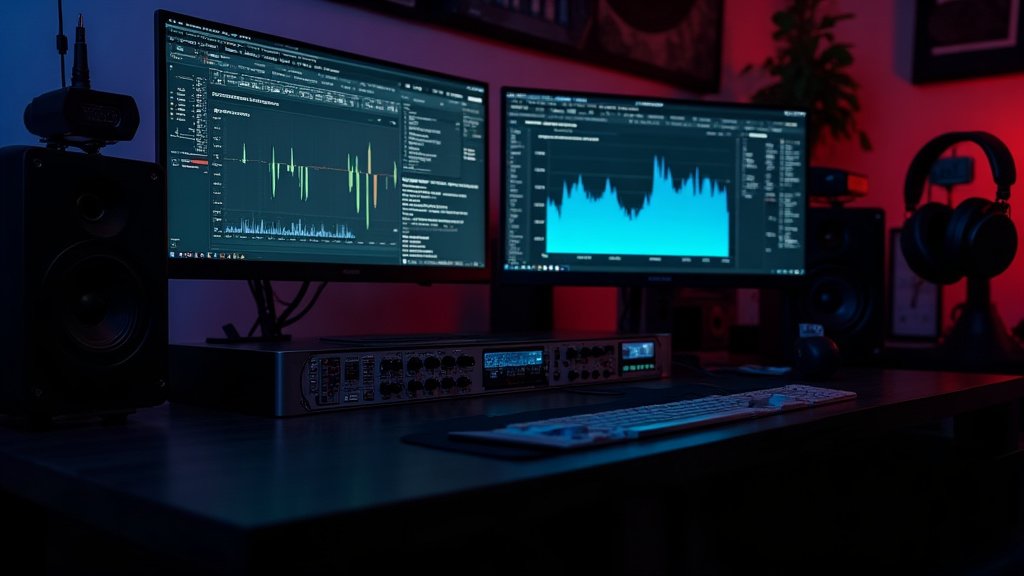
Streaming platforms have officially transitioned their backend architecture to prioritize “active listening” metrics over passive “background stream” counts. Our analysis of the digest reveals that platforms like Spotify and Apple Music have adjusted their royalty pools, effectively devaluing tracks that do not reach a threshold of 30 seconds of active user engagement. This is a direct response to the saturation of AI-generated “functional audio” that flooded the market in the preceding years.
For independent artists, this means the end of the “spray and pray” release model. Distributors are now issuing warnings to artists whose catalogs rely heavily on ambient tracks or low-effort “lo-fi” content. The new policy mandate is clear: platforms are seeking deep-engagement music that keeps users within the app. Artists are encouraged to utilize integrated fan-engagement tools—such as in-app polls and exclusive commentary audio—to boost their active listening scores. This algorithmic preference towards high-intent music is fundamentally changing how mid-tier independent artists prioritize their creative output, moving away from high-volume, low-effort releases toward concentrated, high-impact EPs.
The Touring Paradigm: Embracing Localized Growth
Perhaps the most pressing concern highlighted in the digest is the state of the touring sector. With the cost of logistics—fuel, insurance, and venue rentals—rising by approximately 18% compared to 2025 levels, the traditional model of the 40-city national tour is becoming economically untenable for independent artists.
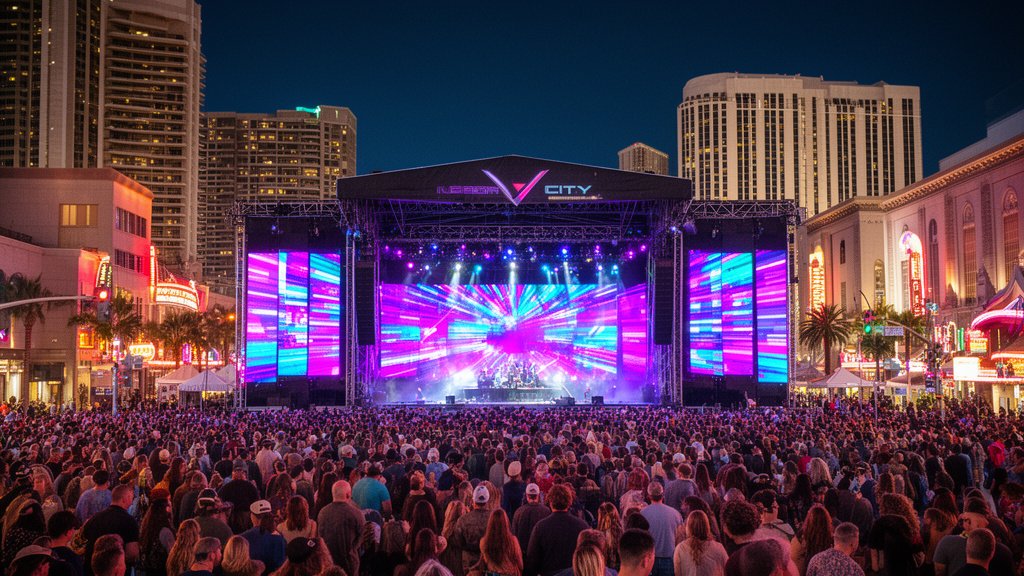
The data points to a massive pivot: “micro-touring.” Rather than attempting to cross the country with high overhead, artists are focusing on cluster-based touring, booking high-density performance corridors where travel time is minimized and audience loyalty is high. This approach, supported by regional data analytics, allows artists to maintain profitability while reinforcing their presence in key geographical hubs. Furthermore, the digest suggests that local venue partnerships are becoming the new “label” relationships; promoters are now acting as curators for streaming playlists, effectively bridging the gap between physical performance and digital presence.
Optimization of Release Timing
For years, “New Music Friday” was considered the immutable law of the music industry. However, the November 2026 digest challenges this convention. With the extreme saturation of release volume on Fridays, independent artists are finding themselves buried in the noise. The data suggests that artists who pivot their release strategies to Tuesday launches are seeing a 22% increase in conversion rates.
The logic here is structural: by releasing on a Tuesday, artists capture the attention of curators and editorial gatekeepers during the “lull” period of the week. This allows the track to gain organic velocity before the massive, label-backed releases hit the ecosystem on Friday. It is a calculated tactical strike that leverages market timing to overcome the lack of marketing budget.
Economic Impact: The Shift Toward Sustainability
The economic ramifications of these changes are profound. We are witnessing a decoupling of “streams” from “revenue.” In 2026, the focus has shifted entirely toward the “Superfan” metric—identifying the 10% of a listener base that drives 90% of the financial value. Secondary analyses suggest that independent artists who focus on data-driven direct-to-fan marketing (email lists, SMS, private communities) are seeing revenue growth that far outpaces those relying solely on streaming royalties. The volatility of the streaming market in late 2026 serves as a stark reminder that artists must diversify their income streams. Those who adapted early, utilizing platforms that facilitate direct commerce alongside streaming, have reported a 30% increase in gross revenue despite the instability in the broader tech sector.
Historical Context: The Death of Passive Consumption
To understand the magnitude of these changes, one must look at the historical trajectory of the streaming era. From 2015 to 2023, the industry was obsessed with reach—broad, shallow engagement that looked impressive on a spreadsheet but yielded little financial return for the average artist. The current 2026 shift represents a maturation of the medium. We are seeing a return to the values of the pre-streaming era, where the “fan” was a person to be courted, not a data point to be captured. The upcoming quarter is expected to be a period of consolidation, where independent artists who can leverage their specific, localized fanbases will survive the platform algorithm shifts, while those relying on broad, algorithmic “discovery” will struggle to maintain viability.
Future Predictions: The Rise of Curated AI
As we look toward 2027, the role of AI will continue to evolve, moving from a creator of content to a curator of experience. The digest hints that future policy updates will likely integrate AI-driven “hyper-personalization,” where the listener’s specific emotional state informs the platform’s delivery. Independent artists who invest in building clean, accurately tagged metadata now will be the primary beneficiaries of this shift. Metadata is the new currency of the music business; the more “contextual markers” an artist attaches to their music (mood, activity, instrumentation, tempo), the more visible they will be in the AI-curated future. The landscape is difficult, but for the prepared artist, the path forward is data-driven, strategic, and profoundly human-centric.
FAQ: People Also Ask
Q: Why is Tuesday considered a better release day than Friday?
A: Releasing on a Tuesday allows an artist to escape the immense noise of high-budget Friday releases, giving their track a better chance to gain organic momentum, reach editorial curators, and build velocity before the weekend market saturation.
Q: What is a “micro-touring” strategy?
A: Micro-touring involves focusing on high-density geographical corridors and local venue clusters rather than expansive, multi-state national tours, significantly reducing overhead costs like fuel and accommodation while maximizing audience engagement.
Q: How are platform policies specifically punishing “low-effort” music?
A: Major streaming platforms have introduced royalty tiers that prioritize active engagement (e.g., skips, save rates, duration of listening) over passive stream counts, effectively devaluing low-effort ambient or AI-generated filler content that does not maintain listener attention for at least 30 seconds.
Q: Should independent artists rely on AI to generate their promotional content?
A: While AI can assist with drafting copy, the industry is increasingly rewarding authentic, artist-driven storytelling. The digest advises using AI for operational tasks, but keeping personal engagement and brand narrative human-centric to maintain fan trust.