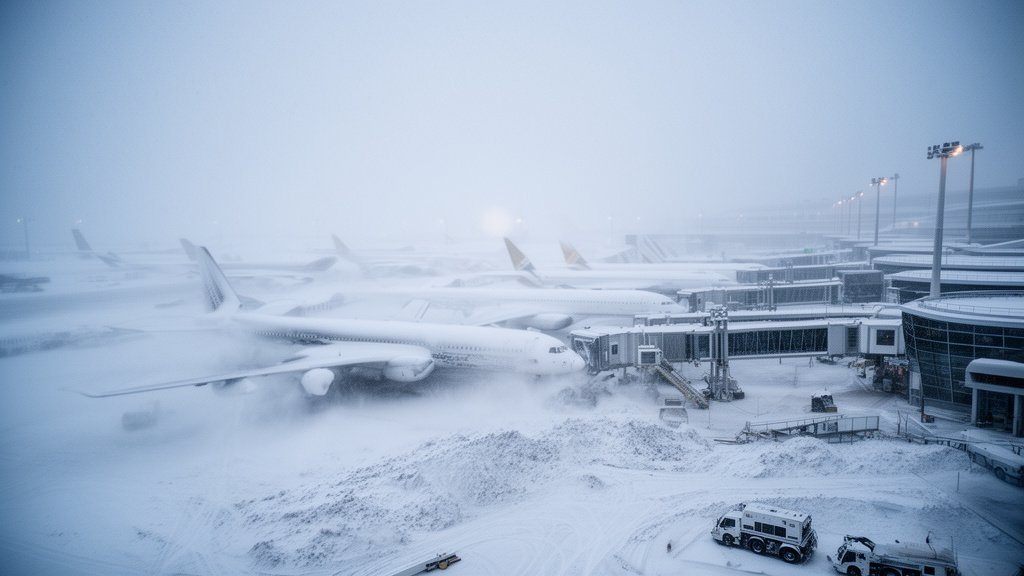
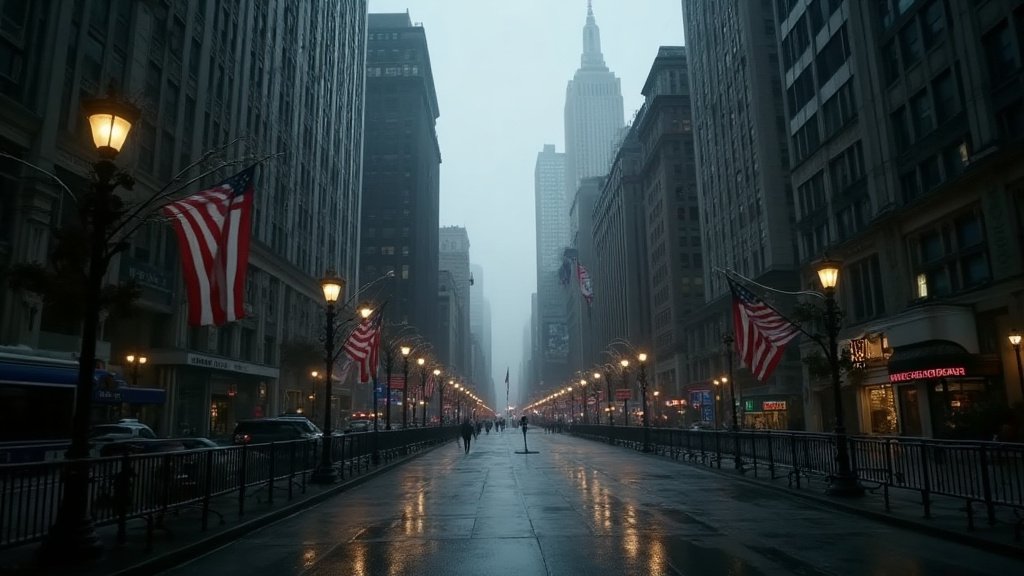
For the first time in its century-long history, the Macy’s Thanksgiving Day Parade has been officially postponed due to severe weather conditions, forcing event organizers and city officials to reschedule the iconic procession for November 28, 2026. The decision, driven by forecasted wind gusts reaching 60 mph, represents a unprecedented disruption to the annual celebration that has remained a fixture of American culture since its inception in 1924. By prioritizing public safety and the integrity of the parade’s massive inflatable balloons, organizers have set a new precedent for how major urban events navigate increasingly volatile atmospheric patterns.
Key Highlights
- Historic First: This marks the inaugural postponement in the 100-year history of the Macy’s Thanksgiving Day Parade due to weather-related safety protocols.
- Meteorological Thresholds: The decision was mandated by severe weather warnings predicting 60 mph wind gusts, which exceed the safety tolerance for the parade’s signature giant helium balloons.
- New Date Set: The parade has been officially rescheduled to take place on November 28, 2026.
- Logistical Overhaul: The shift requires a massive recalibration of NYPD crowd control, NBC broadcast scheduling, and retail logistics across Midtown Manhattan.
Anatomy of an Unprecedented Decision
The Macy’s Thanksgiving Day Parade is more than a cultural touchstone; it is a complex, multi-million dollar logistical operation that transforms Midtown Manhattan into a high-density production zone. When National Weather Service data indicated a high probability of 60 mph gusts, city officials, in coordination with Macy’s Inc. leadership, were forced to confront a safety threshold that has remained theoretical until now. The ‘wind sail’ effect—where massive inflatables act as wings—renders the event impossible under high-wind conditions, as the risk to crowd safety and parade participants becomes too severe to mitigate.
The Science of the ‘Wind Sail’ Effect
Aerodynamic safety is the primary constraint for the parade. Macy’s balloon handlers, typically trained for specific wind speed tolerances, are instructed to ground balloons or reduce altitude when speeds exceed 23-34 mph, depending on specific balloon size and weight. A forecast of 60 mph is not merely a delay factor; it is a definitive structural hazard. By moving the event to November 28, 2026, the organizers have opted for a complete calendar shift rather than an attempted cancellation or abbreviated route, recognizing the necessity of maintaining the production value that the global audience expects.
Economic and Cultural Ripples
The cancellation of a major public event of this scale creates a vacuum in the local economy. Midtown Manhattan retailers, which rely heavily on the influx of parade-goers and tourists, are facing a significant, immediate decline in foot traffic for the original date. Furthermore, hotels and travel sectors are adjusting to the ripple effects of rescheduled bookings. This disruption highlights the fragility of large-scale urban tourism against the backdrop of changing climate patterns, suggesting that major event planners may need to integrate more flexible contingency models in their future operational roadmaps.
Broadcast and Media Rescheduling
For NBC and other global affiliates, the delay presents a massive logistical challenge. The parade is one of the most-watched television events in the United States, commanding premium advertising slots and intricate live-broadcast coordination. Shifting the entire production infrastructure, including remote broadcast trucks, cable routing, and live talent availability, involves significant contractual renegotiations. The postponement to November 28, 2026, requires a complete synchronization of these entities, proving that even a global media giant must bow to the reality of meteorological constraints.
FAQ: People Also Ask
Why was the parade moved instead of canceled?
The Macy’s Thanksgiving Day Parade serves as a massive economic driver and a symbol of national identity. Moving the date to November 28, 2026, preserves the tradition, ensures the safety of the public and participants, and allows for the full execution of the event’s production elements, whereas cancellation would result in a total loss of the event’s cultural and financial value for the year.
What are the wind safety protocols for the Macy’s parade?
The NYPD and parade organizers strictly monitor wind speeds. Standard safety protocols generally prohibit giant balloons from being flown if sustained winds exceed 23 mph or gusts exceed 34 mph. With 60 mph gusts forecasted, operating the parade would have violated all safety regulations.
How will this impact NYC tourism and retail?
The postponement will likely result in a significant, though temporary, decrease in Midtown foot traffic, affecting retail sales and restaurant bookings for the original date. However, local stakeholders are currently working to manage the transition to the new date, aiming to offset these losses through extended promotional efforts in the lead-up to November 28, 2026.