
Ye (Kanye West) has once again redefined his creative trajectory, catching the industry off guard with the unannounced release of his latest single, “OUT OF MY MIND.” The track, which immediately began circulating across streaming platforms, marks a jarring departure from his recent discography, pivoting sharply into the intricate, breakbeat-heavy world of Jungle music. Known for his ability to synthesize disparate genres into mainstream hits, Ye’s latest experiment highlights a newfound fascination with the rapid-fire rhythms and sub-bass textures characteristic of the mid-90s UK rave scene.
The Sonic Shift to Jungle
At the core of “OUT OF MY MIND” is a production style that Ye has rarely explored during his two-decade career. Jungle, a genre born from the underground sound systems of London, is defined by its complex, syncopated breakbeats—typically sampled from classic funk and soul drums—layered over heavy, melodic sub-basslines. The track utilizes high-tempo percussion, hovering around the 160-170 BPM range, which stands in stark contrast to the boom-bap, trap, or even the industrial experimentalism found on albums like Yeezus.
Observers of Ye’s production habits will note that while he is no stranger to sampling, the application here is noticeably more aggressive. Instead of the soulful, pitched-up vocal chops that defined his early work, the production on “OUT OF MY MIND” relies on rapid-fire edits and granular synthesis. This indicates that Ye is not merely paying homage to the aesthetic but is actively attempting to deconstruct the genre through his own lens of minimalist chaos.
Production Nuances and Technicality
When dissecting the production of this track, it is clear that Ye has moved away from the lush, orchestral arrangements of his gospel-infused projects. “OUT OF MY MIND” is clinical, cold, and relentlessly fast. The track features a “chopped-and-screwed” approach to breakbeats that creates a disorienting listening experience, effectively mimicking the feeling of being, as the title suggests, out of one’s mind.
The sub-bass frequencies are tuned to resonate in club settings, suggesting a move toward festival-ready performance rather than radio play. Industry analysts suggest that this choice reflects a broader trend among A-list artists to embrace “electronic-first” compositions, where the drum loop acts as the primary hook rather than a lyrical melody. By stepping into the Jungle space, Ye enters a lineage of electronic music that values technical precision over traditional song structure.
Historical Context: Ye’s Genre-Hopping Legacy
Ye’s career has always been defined by his willingness to alienate his base in favor of evolution. From the soulful chop of The College Dropout to the minimalist industrial noise of Yeezus and the polarizing maximalism of Donda, Ye has consistently defied industry categorization. “OUT OF MY MIND” serves as the latest chapter in this ongoing narrative of self-reinvention.
Historically, mainstream hip-hop artists dipping their toes into UK electronic subgenres—such as Garage, Jungle, or Grime—has always been a risky endeavor. While many artists utilize these sounds to catch a trend, Ye’s history suggests he is more interested in the process of creation. By tackling Jungle, he is challenging the listener to keep pace with his own shifting interests. The move also serves as a strategic pivot, distancing him from the saturation of modern trap music and aligning him with the current resurgence of high-tempo electronic influence in global pop culture.
The Economic and Cultural Impact
Beyond the sonic experimentation, the release of “OUT OF MY MIND” raises questions about the current distribution model in the music industry. In an era where algorithmic playlists dictate success, a surprise drop of such a niche, non-radio-friendly genre is a bold statement. Ye is essentially forcing his massive audience to engage with a sound that exists far outside the mainstream “Spotify core.”
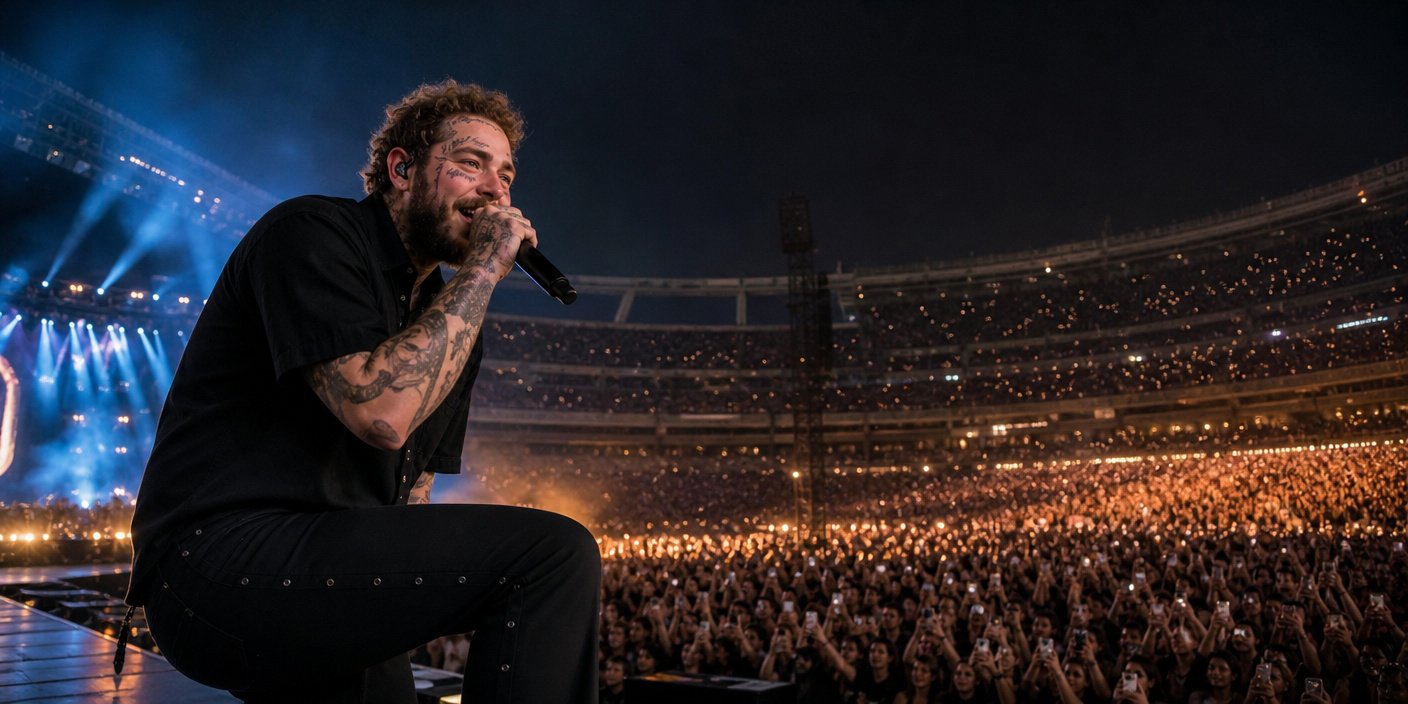
This release also hints at potential collaborations with underground electronic producers. If Ye continues to explore this direction, we could see a complete shift in the live performance landscape for his upcoming shows. Imagine the production value of a typical Ye stadium tour combined with the frenetic, strobe-lit energy of an authentic Jungle rave. It is a potent, if volatile, combination that could cement his status as an innovator for a new generation of listeners who prioritize high-energy, tempo-driven experiences over traditional lyric-heavy compositions.
Future Predictions
Where does this leave the rest of his upcoming work? If “OUT OF MY MIND” is a litmus test for a full-length project, we can expect a record that emphasizes sound design over storytelling. Given the cyclical nature of music trends, the return of Jungle and Drum & Bass to the spotlight is currently underway. Ye’s entry into this space could be the tipping point that pushes these underground sounds into the top 40, effectively bringing the UK rave aesthetic to a global audience that has largely remained insulated from it. Whether this experiment leads to a sustained movement or remains a one-off curiosity, it confirms one thing: Ye remains the most unpredictable force in popular music.
FAQ: People Also Ask
Is “OUT OF MY MIND” available on all streaming platforms?
Yes, the track has been released across all major digital streaming providers, including Spotify, Apple Music, and Tidal, following the surprise announcement.
What defines the “Jungle” musical style Ye is experimenting with?
Jungle is characterized by fast-paced breakbeats (150-170 BPM), complex syncopated drum patterns, and deep, resonant sub-basslines. It emerged in the UK in the early 1990s as a fusion of hip-hop, reggae, and electronic music.
Does this new release imply a full album is coming?
While Ye has not officially confirmed an album title or release date, industry insiders often view the drop of a new, genre-specific track as a lead-in to a larger project. However, Ye’s release patterns are notoriously non-traditional.
How has the public reacted to the track?
Fan reaction has been divided, with long-time followers praising the experimental risk-taking, while others are adjusting to the high-energy, repetitive nature of the Jungle production style.