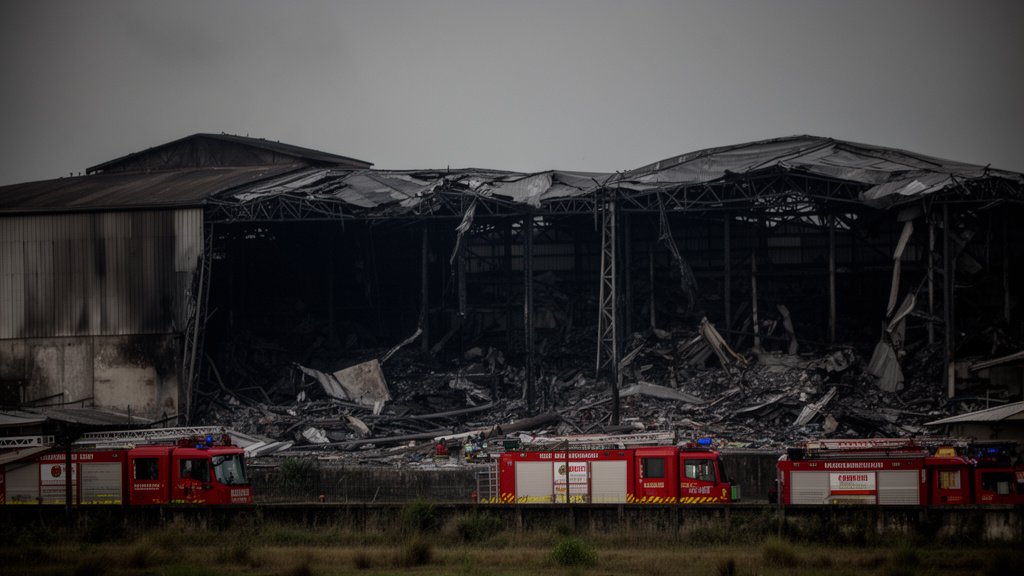
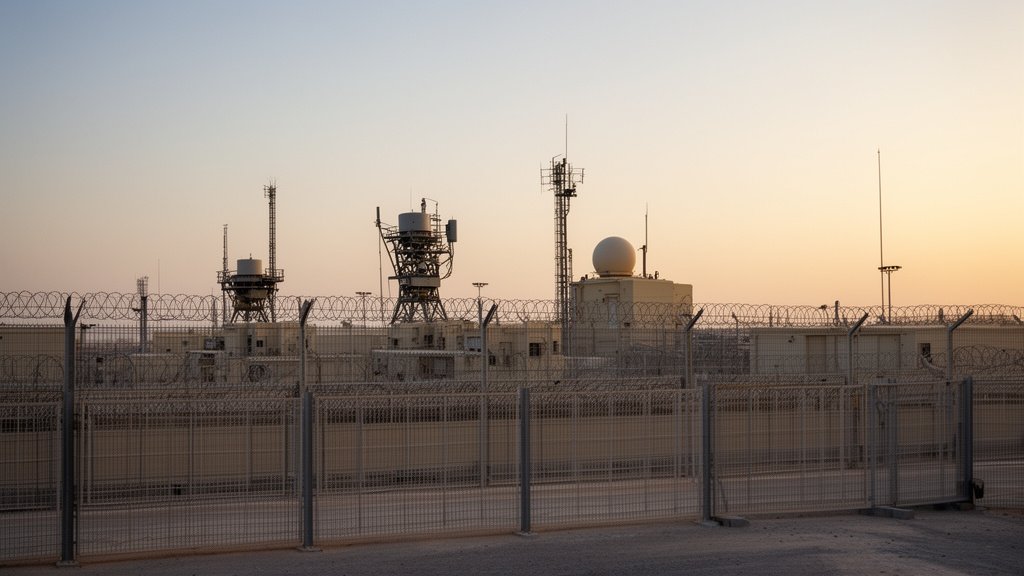
Two Italian defense technicians were killed in a precision drone attack while stationed at a technical facility in Kuwait, triggering an urgent international investigation and heightening tensions across the Persian Gulf. Both the Kuwaiti government and Italian diplomatic authorities have officially attributed the strike to forces linked to Iran, a claim that Tehran has vehemently denied, suggesting instead that the incident may have been a staged false flag operation designed to escalate regional hostilities. The incident marks a significant and tragic escalation in the ongoing shadow warfare playing out across Middle Eastern infrastructure.
Key Highlights
- Casualties Confirmed: Two Italian nationals, operating as defense technicians at a secure facility in Kuwait, were killed in the drone strike.
- Official Attribution: Both Kuwait and Italy have pointed to Iranian-backed actors as the perpetrators, citing intelligence gathered at the site.
- Tehran’s Denial: Iranian officials have rejected all culpability, publicly framing the attack as a potential ‘false flag’ maneuver intended to sabotage diplomatic channels.
- Ongoing Investigation: A joint international task force is currently conducting a forensic analysis of the debris and the drone’s flight path to verify the origin of the attack.
Escalation in the Gulf: A Geopolitical Analysis
The targeted killing of two foreign technical contractors represents a volatile pivot point in the already complex security landscape of the Persian Gulf. While foreign defense technicians are common fixtures in Gulf Cooperation Council (GCC) nations, working on radar installations, maintenance, and training, they are rarely the direct targets of kinetic drone strikes. This event forces a re-evaluation of the ‘gray zone’ tactics currently being employed by state and non-state actors in the region.
The Anatomy of the Strike
The drone attack occurred during the early morning hours, bypassing standard local early-warning systems, which suggests the use of advanced, low-observable unmanned aerial vehicle (UAV) technology. Military analysts note that the precision of the strike indicates a sophisticated understanding of the facility’s layout, specifically targeting the quarters where the Italian technicians were based. The Italian Ministry of Foreign Affairs, in coordination with the Kuwaiti Ministry of Defense, has launched an immediate investigation into the drone’s telemetry and origin point. This forensic inquiry is crucial; if the drone can be traced back to specific manufacturing components or command-and-control signatures, the evidence could prove indisputable in the court of international law.
The Diplomatic Standoff and the ‘False Flag’ Accusation
The diplomatic fallout was immediate. Italy, a key NATO member with deep industrial and security ties to the region, has demanded accountability. However, the situation is complicated by the categorical denial from Tehran. By labeling the attack a ‘false flag operation,’ Iran is employing a well-documented rhetorical strategy designed to cast doubt on the narrative provided by its geopolitical rivals. In the world of intelligence and statecraft, a false flag is a covert operation designed to deceive the public or international community into believing an attack was carried out by a different party. Iran’s swift pivot to this argument suggests they are preparing for a long, drawn-out battle in the court of international public opinion, seeking to delegitimize the evidence presented by the Italian and Kuwaiti investigators.
The Evolution of Drone Warfare
Beyond the diplomatic crisis, this incident serves as a grim case study in the democratization of lethal drone technology. Small, relatively inexpensive, but highly lethal drones have become the weapon of choice for asymmetric warfare. They are difficult to detect on radar, cheap to produce, and offer plausible deniability to their operators. When such technology is used against technical personnel rather than active combatants, it blurs the lines between a military strike and an act of terrorism. The international community is now forced to grapple with the reality that the ‘tech support’ roles in defense contracts are no longer immune to the dangers of the battlefield. This shift will likely necessitate a massive overhaul of security protocols for foreign experts operating in high-tension regions, potentially leading to increased reliance on anti-drone defense systems and more restrictive movement policies.
Regional Stability and the Path Forward
The incident in Kuwait puts the broader regional security architecture under extreme pressure. Kuwait has historically maintained a delicate balance in its foreign policy, often acting as a mediator in regional disputes. An attack on its soil, particularly one involving foreign nationals, undermines this position and forces Kuwait to lean more heavily into its alliance with Western powers, specifically Italy. The Italian government is currently walking a tightrope; they are under immense domestic pressure to retaliate or secure justice for the deaths of their citizens, yet they must also avoid inadvertently triggering a larger, uncontrollable regional conflict. The path forward will be dictated by the results of the ongoing forensic investigation. If the evidence links the strike directly to Iranian military units, the consequences—sanctions, diplomatic expulsion, or even direct confrontation—will be severe. Conversely, if the investigation hits a stalemate, the event will likely fade into the background of a simmering conflict, leaving the families of the victims without closure and the region with a dangerous, unresolved grievance.
FAQ: People Also Ask
1. What was the role of the Italian technicians in Kuwait?
They were employed as defense technicians. Typically, such roles involve the maintenance, calibration, and support of advanced radar and defense systems utilized by the Kuwaiti military, often under bilateral defense cooperation agreements.
2. Why does Iran claim this is a ‘false flag’ operation?
Iran’s claim of a ‘false flag’ is a common diplomatic defense used to shift responsibility. They argue that the incident was orchestrated by an opposing party to frame Iran, thereby damaging Iran’s international reputation or inciting further sanctions against them.
3. Will this incident trigger an international military response?
While the situation is highly tense, an immediate military escalation depends heavily on the findings of the forensic investigation. Both Italy and Kuwait are currently prioritizing diplomatic and intelligence channels to establish indisputable proof before considering further punitive actions.