Two Italian defense technicians were killed in a precision drone strike in Kuwait, sparking immediate geopolitical volatility as Italian authorities point toward Iranian involvement, while Tehran vehemently denies culpability, branding the incident a potential “false flag” operation designed to destabilize the region.
Key Highlights
- Two Italian defense technicians were killed during a suspected drone attack on a secure facility in Kuwait.
- Italian government intelligence has directly attributed the strike to assets aligned with Iran.
- Tehran has issued an official denial, characterizing the event as a sophisticated false flag operation intended to fracture regional alliances.
- The incident has triggered urgent diplomatic consultations between the Italian Ministry of Defense, NATO, and the Kuwaiti Ministry of Interior.
Escalating Tensions: The Kuwait Incident
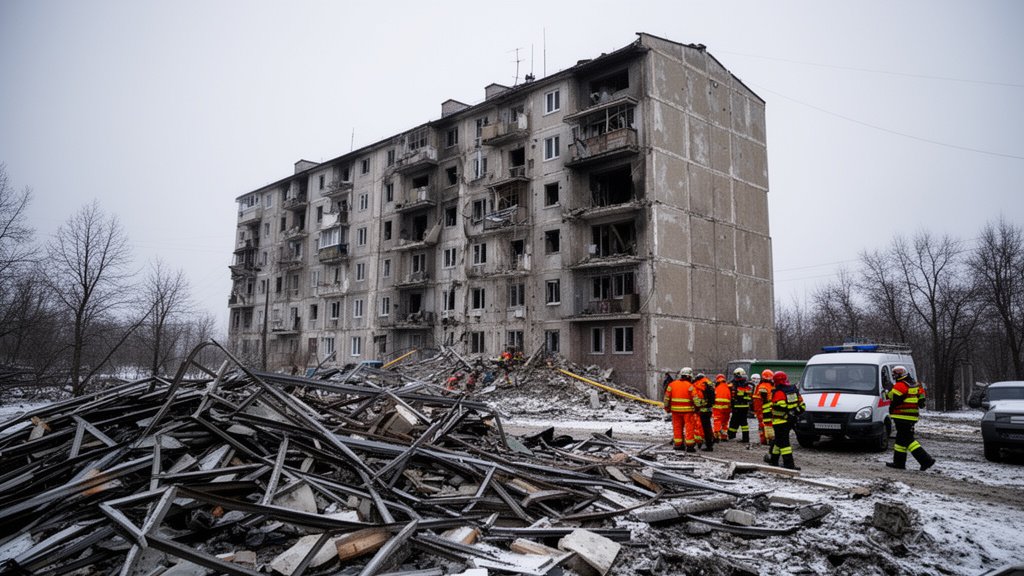
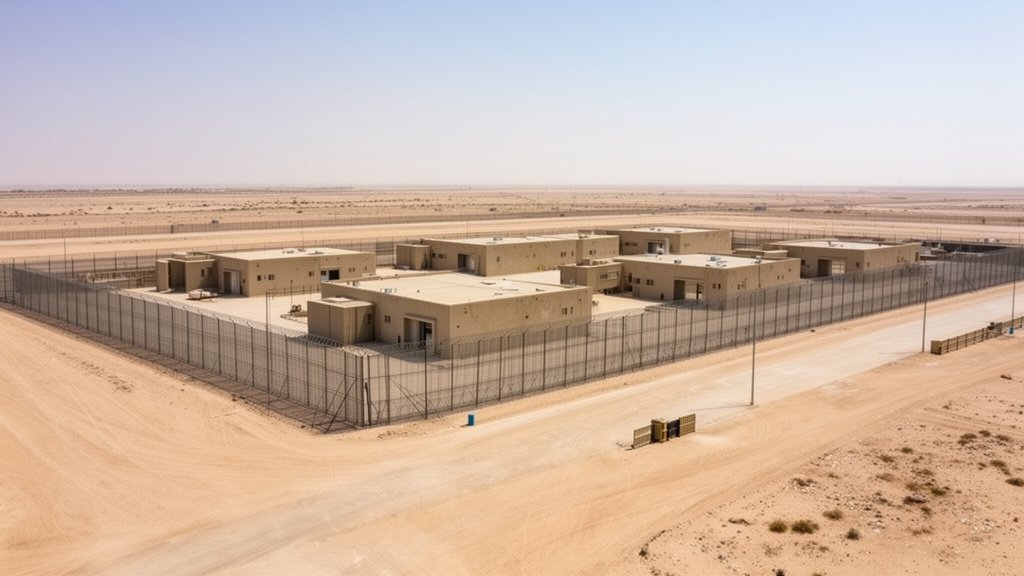
The landscape of modern conflict shifted violently yesterday when two Italian defense technicians, stationed in Kuwait as part of an advisory mission, were killed in a precision drone strike. The attack, which targeted a logistical support compound near the outskirts of Kuwait City, represents a significant escalation in the ongoing tension surrounding Middle Eastern airspace and defense infrastructure. While the identities of the victims have not been released pending family notification, Italian defense officials have confirmed they were non-combatants serving under a technical capacity agreement.
The Intelligence Attributions
Within hours of the explosion, the Italian Ministry of Defense launched an extensive investigation into the provenance of the drone. Preliminary findings, corroborated by signals intelligence (SIGINT) gathered in the region, suggest the drone utilized a flight path and guidance signature consistent with hardware utilized by the Islamic Revolutionary Guard Corps (IRGC) and its regional affiliates. Intelligence officials are now working under the hypothesis that this was not a localized accident, but a targeted strike. The rapid attribution from Rome has sent shockwaves through the diplomatic community, with Italy—a key NATO member—now forced to navigate a precarious path between seeking justice for its citizens and preventing an all-out escalation that could involve the North Atlantic Treaty Organization.
Tehran’s ‘False Flag’ Defense
In a sharp reversal of the expected narrative, Tehran has aggressively pushed back against the accusations. In a statement released through its Foreign Ministry, Iran categorically denied involvement, suggesting that the strike bears the hallmarks of a “false flag” operation—a tactic where an aggressor disguises their identity to provoke an international conflict between other powers. Iranian spokespeople argue that the attack serves no strategic benefit to them and instead acts as a tool for destabilizers looking to justify a broader Western military expansion into the Gulf. This, combined with the lack of definitive forensic wreckage, has created a complex “he-said-she-said” scenario that has stalled initial diplomatic resolutions.
Secondary Angle 1: The Fragility of Gulf Infrastructure
This incident highlights a terrifying reality for Kuwait and its neighbors: the vulnerability of critical infrastructure to asymmetrical, low-cost drone warfare. The attack underscores that air defense systems, despite billions in investment, are increasingly challenged by swarm tactics and low-altitude, radar-evading technology. This has immediately forced a reassessment of security protocols across the Gulf Cooperation Council (GCC) states. Regional analysts suggest that if a facility of this nature can be breached, energy infrastructure and shipping lanes in the nearby Straits of Hormuz remain at heightened risk, threatening to impact global oil and natural gas prices if stability is not restored immediately.
Secondary Angle 2: The Future of Italian Foreign Policy
For Italy, this event marks a turning point in its Middle Eastern engagement. Long considered a neutral partner capable of navigating complex regional dynamics, Rome is now under intense domestic pressure to adopt a firmer stance. The deaths of these technicians have mobilized the Italian parliament, which is expected to convene an emergency session to debate the future of their advisory missions in the region. The outcome of these discussions will likely influence Italy’s standing within NATO and its ability to act as a bridge between the European Union and Middle Eastern powers. Policymakers are concerned that an overreaction could lead to entanglement in an intractable conflict, while underreacting would signal weakness to both allies and adversaries.
Secondary Angle 3: The Technological Proliferation of Drones
The drone utilized in the Kuwait strike represents a significant step up from standard, commercially available hardware. Military experts have noted that the sophistication required for such a targeted hit suggests state-level or high-tier proxy manufacturing. This raises alarming questions about the proliferation of advanced drone technology in the Middle East. As this technology becomes cheaper and more accessible, the barrier to entry for non-state actors looking to inflict high-level diplomatic damage has plummeted. This trend is forcing global powers to accelerate their development of counter-drone technologies (C-UAS), marking an urgent shift in defense spending and research and development focus worldwide.
FAQ: People Also Ask
Q: What is the official stance of the Kuwaiti government regarding the attack?
A: The Kuwaiti government has expressed profound condemnation of the attack, viewing it as a violation of their sovereignty. They are currently cooperating fully with Italian investigators while maintaining high alert across their border security and air defense units to prevent further incursions.
Q: Is there any evidence to support the ‘false flag’ claim?
A: Currently, the ‘false flag’ claim remains a speculative narrative promoted by Tehran. While it serves as a defensive talking point, international intelligence agencies are strictly examining flight telemetry and hardware serial numbers to verify the origin of the drone, which will provide the objective data needed to determine the veracity of the claim.
Q: How does this impact NATO’s involvement in the region?
A: The attack triggers Article 4-style diplomatic consultations, as a member nation has been directly targeted. NATO members are now evaluating their collective security posture in the Gulf. While full military intervention is considered unlikely at this stage, the alliance is expected to increase intelligence-sharing and surveillance support for its member nations operating in the area.