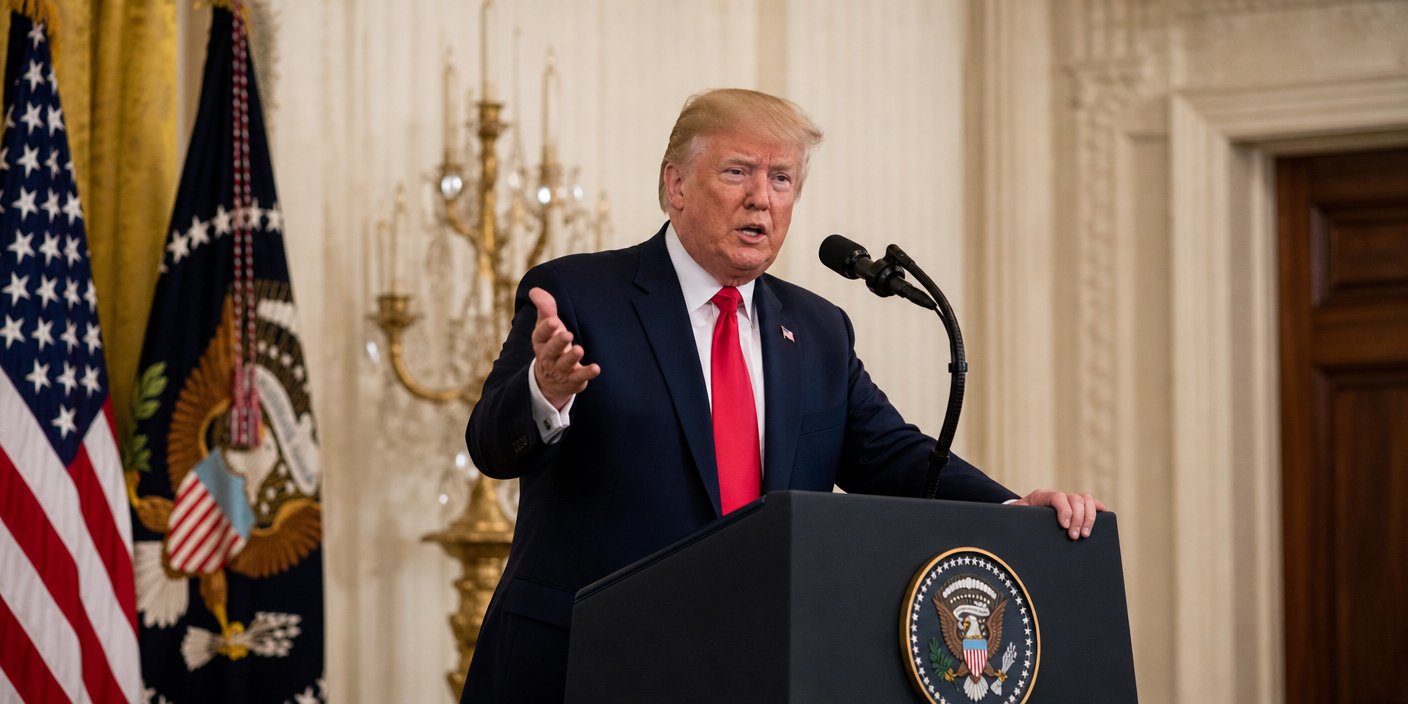

Treasury Secretary Scott Bessent has moved to stabilize market sentiment following a week of isolated technology outages that caused temporary disruptions across major U.S. financial institutions. During a candid appearance on CBS’s Face the Nation, Bessent addressed growing public and investor anxiety, characterizing the disruptions as routine security patching rather than indicators of systemic instability. His comments come at a critical juncture where market participants are increasingly sensitive to any signal of technological failure, especially as the broader economy grapples with the integration of complex artificial intelligence systems.
Key Highlights
- Isolated Incidents: Secretary Bessent clarified that recent banking outages were isolated, non-systemic incidents caused by security updates, not structural failures.
- Security Over Speed: The Treasury emphasized that patching legacy banking infrastructure, while temporarily disruptive, is essential for long-term cybersecurity resilience.
- AI Market Maturity: Bessent acknowledged market anxiety regarding the AI sector but signaled that the administration views AI as a long-term economic driver rather than a transient speculative bubble.
- Focus on Stability: The Treasury’s primary directive remains the operational integrity of the financial system, with monitoring protocols increased for all major clearinghouses.
Navigating the Intersection of Cybersecurity and Finance
The recent spate of technology outages has reignited a long-standing debate within the financial sector: the precarious balance between rapid digital innovation and the hardening of legacy infrastructure. For many retail banking customers, the experience of being locked out of digital wallets or unable to complete wire transfers—even for a period of hours—creates an immediate perception of systemic risk. Secretary Bessent’s primary objective in his Sunday interview was to decouple this perception from the reality of the underlying financial architecture.
The Anatomy of a ‘Glitch’
Technological outages in the banking sector are rarely the result of a single catastrophic failure. Instead, as Bessent noted, they are often the friction caused by critical security patching. Modern banking operates on a complex tapestry of legacy code—some of which dates back several decades—interwoven with modern cloud-based APIs. When financial institutions push updates to protect against evolving cyber threats, the integration points can occasionally fail.
Bessent emphasized that the Treasury Department has been in direct contact with these institutions. The consensus is that these were not breaches, nor were they the result of infrastructure decay, but rather the operational overhead required to maintain high-security standards. For investors, this distinction is vital. It shifts the narrative from one of ‘banking instability’—which historically triggers market sell-offs—to one of ‘maintenance-induced downtime,’ which is an expected cost of operating in the digital age.
The AI Market Paradox
Beyond the immediate technical disruptions, Secretary Bessent addressed the elephant in the room: AI market anxiety. As valuations for companies deeply entrenched in the artificial intelligence supply chain have reached historic highs, skepticism has begun to mount. Investors are asking whether the returns on AI spending will justify the massive capital expenditure (CapEx) currently being deployed.
Bessent’s analysis suggests a measured, long-term approach. He pointed to the transformative potential of AI in boosting productivity—a key metric for long-term economic growth—while acknowledging that market volatility is a natural byproduct of such rapid sector rotation. The Treasury’s stance is not to stifle this innovation but to monitor the systemic risks that could emerge if the ‘AI bubble’ were to deflate rapidly. He urged market participants to look past quarterly volatility and toward the integration of these technologies into the broader, non-tech industrial base.
Economic Resilience and Future Proofing
The broader economic implication of Bessent’s commentary is clear: The Treasury is not interested in over-regulating based on short-term market noise, but it is deeply committed to maintaining the ‘plumbing’ of the financial system.
Looking ahead, we can expect the Treasury to emphasize three key pillars:
1. Systemic Monitoring: Enhanced scrutiny of clearinghouses and payment processors to ensure that localized glitches do not cascade into broader market freezing events.
2. Cybersecurity Standardization: Pushing for updated protocols that allow for ‘hot-swapping’ or rolling updates that do not require full system downtime, moving away from the patch-and-reboot cycles that currently plague the industry.
3. Data-Driven AI Policy: Moving from broad, abstract regulations to specific sectoral guidelines that encourage AI adoption in manufacturing and logistics, where the ROI is tangible and stable.
While the market may remain jittery as it digests both the technical reality of banking outages and the valuation reality of the AI sector, Secretary Bessent’s message was one of institutional confidence. The U.S. financial system, he argued, is more robust than it has been in decades, and the technology that runs it is being upgraded to meet the challenges of the next century, even if the transition process produces occasional, albeit uncomfortable, friction.
FAQ: People Also Ask
Q: Should I be worried about the safety of my money due to these tech outages?
A: No. Secretary Bessent clarified that these were operational glitches related to security patching, not solvency or systemic issues. Your deposits remain protected by standard FDIC insurance protocols, which are unaffected by temporary banking software downtime.
Q: Why are banking systems still failing if they spend billions on tech?
A: Banking systems often rely on ‘legacy’ software—older, foundational code—that must be updated to integrate with new features like real-time payments and AI fraud detection. These updates are technically complex, and minor service interruptions can occur during the migration process.
Q: Is the Treasury planning to regulate AI usage in banking?
A: The Treasury is actively monitoring how AI impacts market stability. While they support innovation, they have signaled that they will prioritize guidelines that prevent systemic risk, specifically regarding algorithmic trading and automated risk management models.