Social media platforms have officially removed Taylor Swift’s music from a series of posts published by Donald Trump’s campaign and the White House. This decisive administrative action comes in the wake of mounting pressure regarding the unauthorized use of the pop star’s intellectual property, which had been featured in video content specifically designed to mock the singer. The removal highlights a critical collision between modern political campaigning, which increasingly relies on rapid-fire, viral video content, and the rigid, protective framework of global copyright law.
The Intersection of Copyright and Political Messaging
At the core of this conflict lies the concept of synchronization rights—the legal permission required to pair music with visual imagery. In the realm of commercial advertising and political campaigning, the rules are stringent. Organizations and political entities are required to secure explicit licenses from rights holders, such as the songwriters and publishing companies like Universal Music Group, before utilizing copyrighted tracks in promotional media. When a video uses a popular song to frame a narrative—in this case, to mock a public figure—the unauthorized usage becomes a direct violation of copyright statutes.
Historically, campaigns have often operated in a gray area, assuming that social media “fair use” protections might shield them from litigation. However, major platform policies and the Digital Millennium Copyright Act (DMCA) provide clear mechanisms for rights holders to submit takedown notices. In this instance, the use of Swift’s music served as a provocative element within campaign messaging, but without the necessary licensing agreements, the material became legally indefensible, forcing platforms to silence or remove the content entirely.
The Mechanics of Digital Erasure
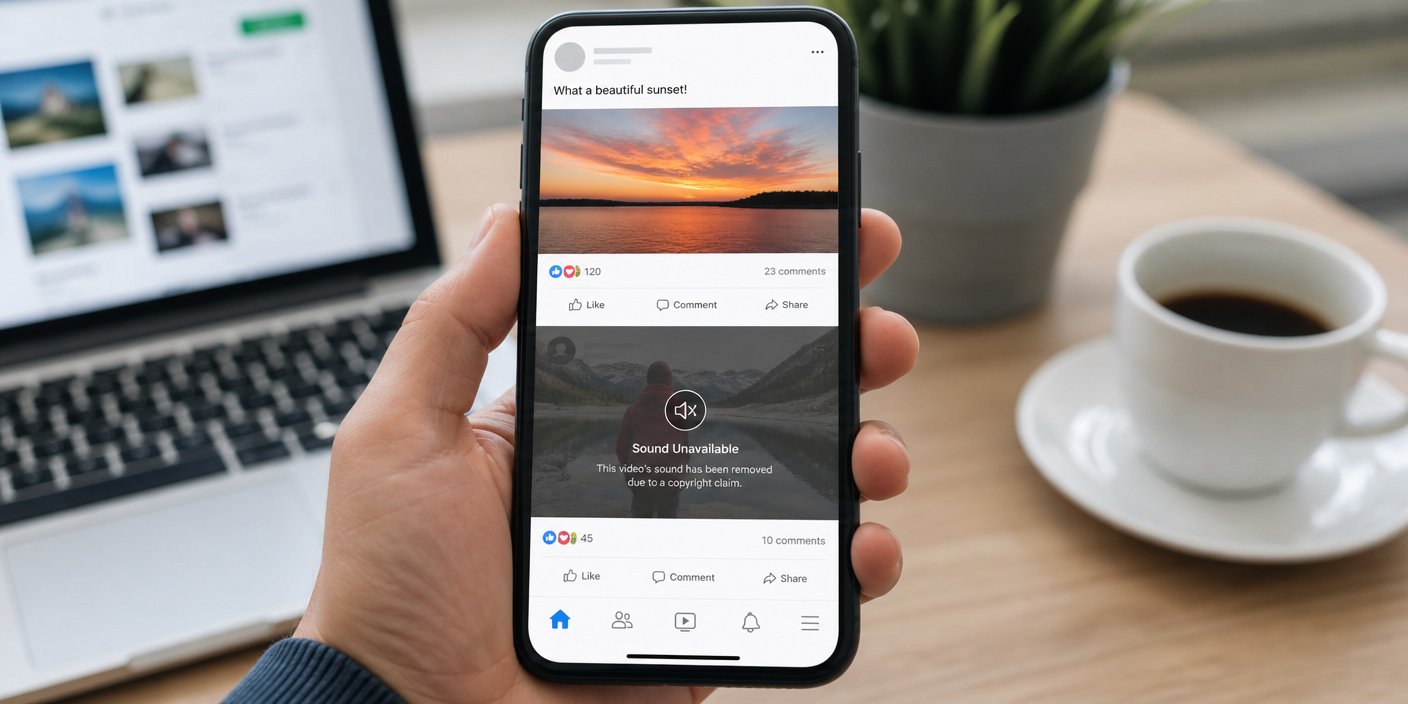
When a copyright complaint is filed and validated, social media platforms do not just issue warnings; they perform an “audio scrub” or remove the asset entirely. This creates a digital void in the campaign’s feed. For political organizations, this is more than just a legal issue—it is a strategic communication failure. When a video is silenced, it loses its engagement potential, its mood, and its “viral” quality. The removal of the audio serves as a public signal of a campaign’s inability to secure the necessary creative assets, often inviting further scrutiny regarding the campaign’s operational discipline and their relationship with high-profile cultural figures.
The Future of Political Music Licensing
This incident serves as a bellwether for how future political campaigns will handle multimedia. The reliance on pop culture trends is a staple of digital-first electioneering, yet it carries significant risks. Moving forward, campaigns are likely to face two choices: either invest heavily in legitimate, pre-cleared synchronization licenses—which can be prohibitively expensive and often subject to refusal by the artist—or transition entirely to licensed stock music and original compositions. The latter is a “safer” path but sacrifices the immediate recognition and emotional “hook” provided by a chart-topping hit.
Furthermore, the “mockery” aspect of these videos adds a layer of complexity. While copyright is the primary legal tool used here, it acts as a surrogate for artists to enforce their public image. By removing the music, the artist effectively curtails the campaign’s ability to capitalize on their brand equity. This creates a new battlefield where artists use the legal system to police their “brand identity” within the political theater.
Secondary Angles: Exploring the Impact
1. The Power of Artist Agency: This event underscores a shift where musicians are no longer passive participants in political discourse. By leveraging their rights as creators, artists like Swift can exert tangible control over how their likeness and work are co-opted, effectively “deplatforming” political messaging from their own discography.
2. The Erosion of Campaign Virality: The speed at which social media algorithms prioritize video content is predicated on high-engagement audio. When that audio is stripped, the video effectively dies. This changes the calculus for digital strategists who must now weigh the benefit of a viral moment against the high probability of a copyright-induced takedown that renders the content unusable within hours of posting.
3. Platform Neutrality vs. Liability: This incident pressures social media platforms to act as objective arbiters of copyright law. While they generally avoid political bias, they are legally bound by the DMCA. The removal of content from high-profile political accounts demonstrates that, legally, a campaign account has no more protection against copyright infringement than an individual user, a standard that is increasingly vital for maintaining legal equity on these platforms.
FAQ: People Also Ask
Why was the music removed specifically from these posts?
The music was removed because the videos utilized Taylor Swift’s copyrighted tracks without holding the necessary synchronization licenses. Under copyright law, using an artist’s music to create promotional content requires permission from the owners of the sound recording and the musical composition.
Does ‘fair use’ protect political campaigns?
Generally, no. While ‘fair use’ allows for limited use of copyrighted material for purposes such as criticism or news reporting, this defense is rarely successful for political campaigns using popular music to enhance their own promotional or mock-style videos. Courts consistently uphold that commercial or political promotion requires proper licensing.
What happens to the engagement on the silenced videos?
When a platform silences the audio, the video loses its primary driver of engagement. Viewers are unlikely to watch a muted video, and the algorithm often deprioritizes silenced content. Essentially, the video ceases to be a functional tool for the campaign, effectively neutralizing the original message.