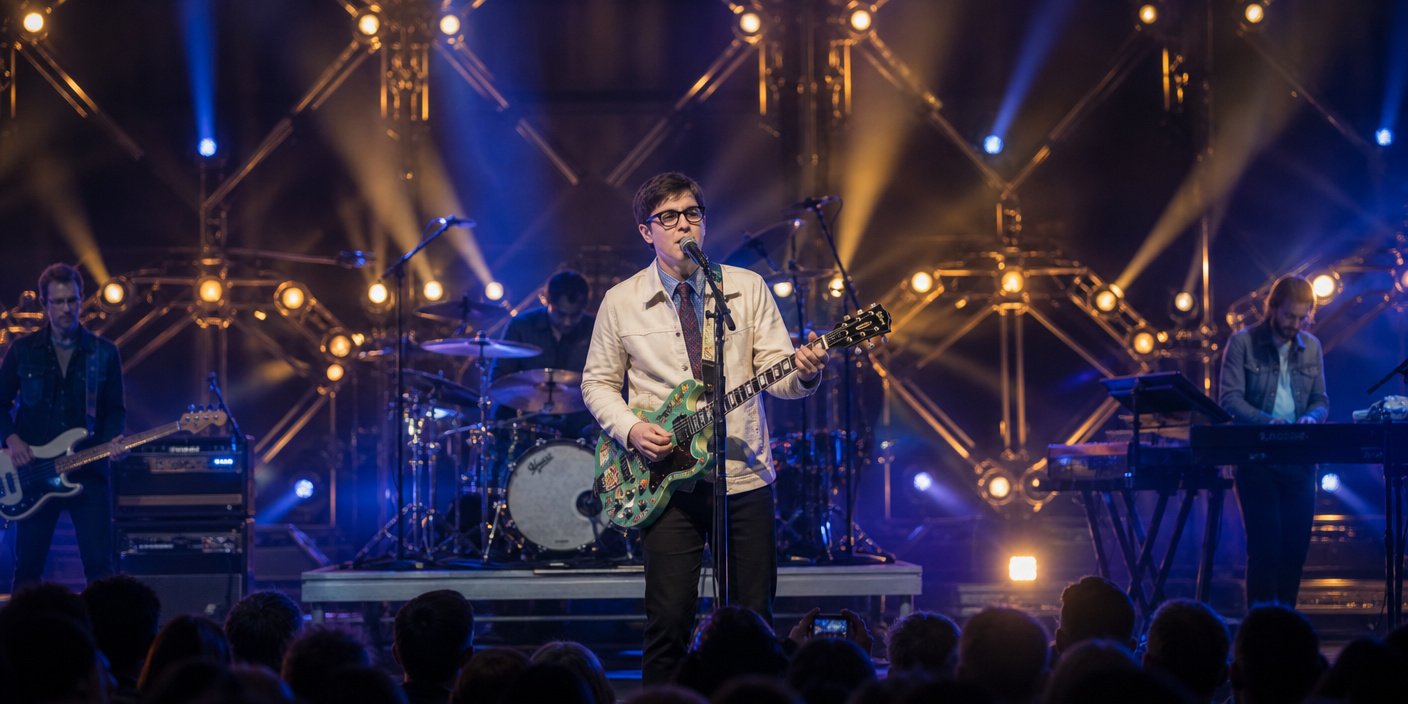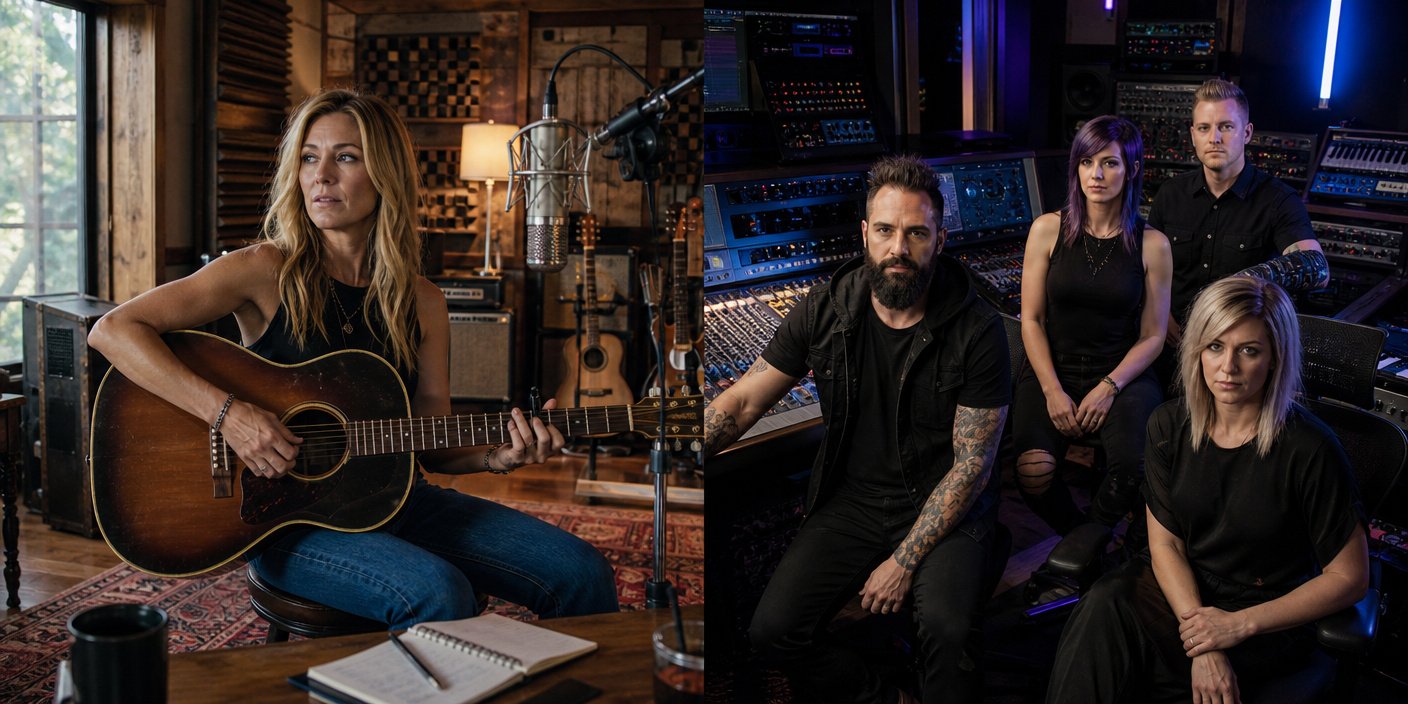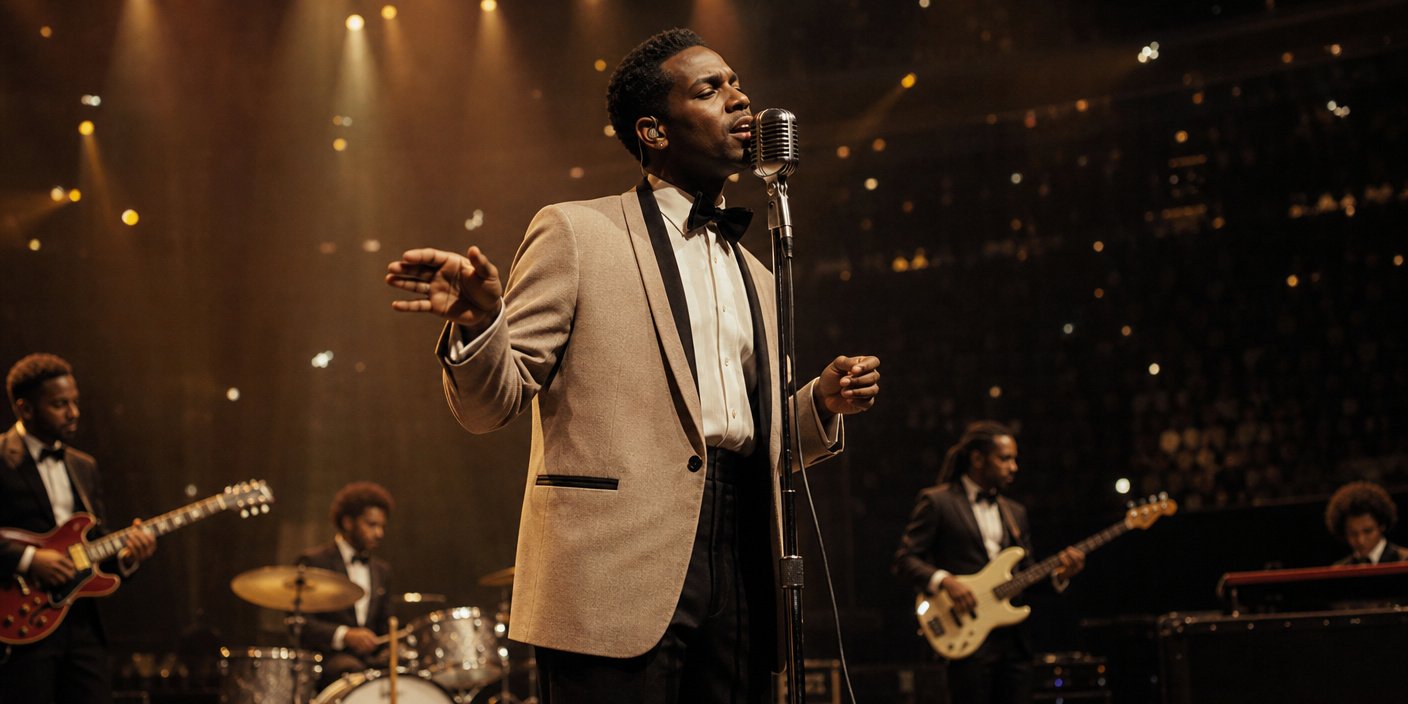
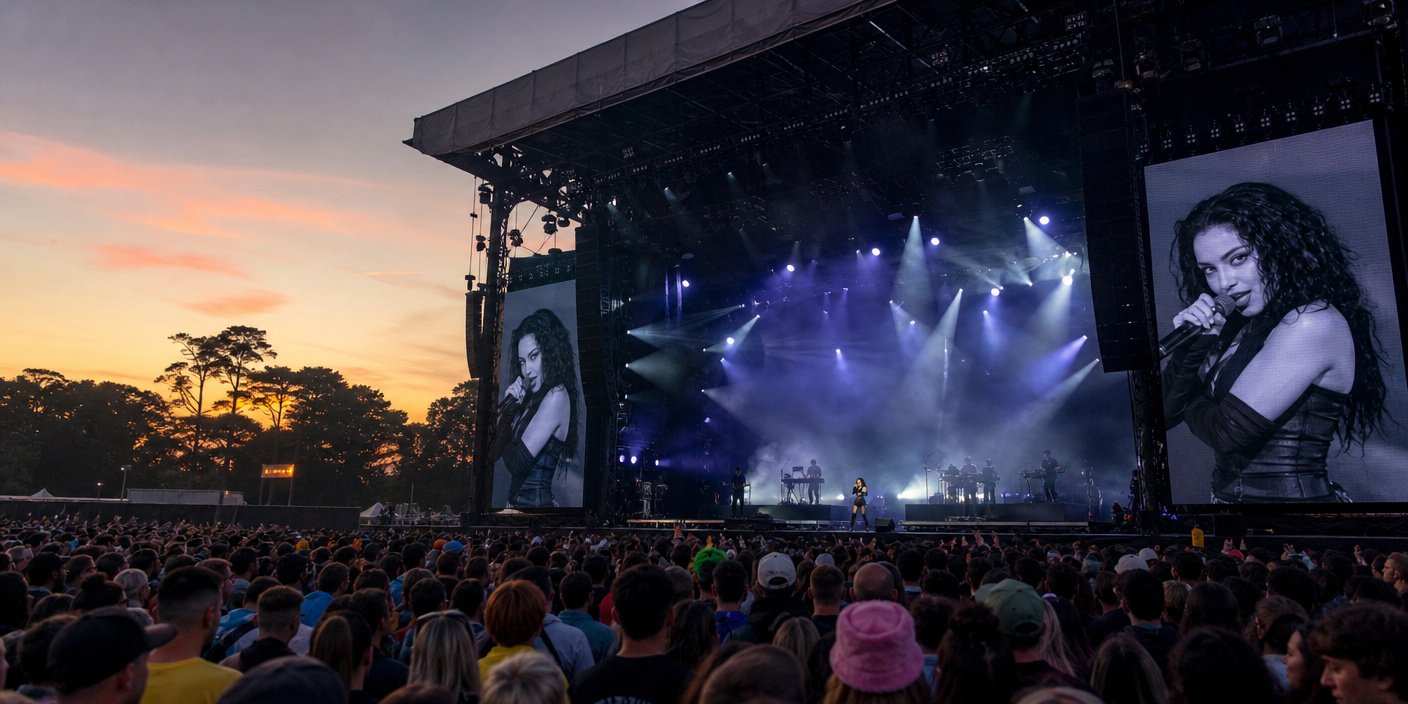
San Francisco’s Golden Gate Park transformed into a vibrant epicenter of sound and culture on Friday, August 8, 2026, as the 18th edition of the Outside Lands Music and Arts Festival officially opened its gates. With a lineup that bridged the gap between hyper-pop dominance, indie-rock nostalgia, and atmospheric electronic soundscapes, the festival’s opening day underscored its status as one of the preeminent cultural events on the West Coast, drawing tens of thousands of attendees into the historic Polo Field.
Key Highlights
- Landmark Anniversary: The festival celebrated its 18th year, reinforcing its deep-seated integration into the cultural fabric of San Francisco.
- Star-Studded Opening: The first day featured a genre-spanning headlining trio consisting of Charli XCX, The Strokes, and Rüfüs Du Sol.
- Massive Turnout: Tens of thousands of attendees gathered in Golden Gate Park, signaling a robust return for the city’s tourism and live event sectors.
- Venue Challenges & Triumphs: The logistics of hosting a major festival in the ecologically sensitive Golden Gate Park were successfully managed, maintaining the park’s reputation as a premier open-air venue.
The Golden Gate Resonance: 18 Years of Musical Evolution
The history of Outside Lands is inextricably linked to the geography of San Francisco. Since its inception in 2008, the festival has navigated the unique challenges of transforming Golden Gate Park—a dense, foliage-rich urban park—into a world-class concert venue. As the event enters its 18th year, the operational maturity of the organizers, including the San Francisco Recreation and Park Department, is evident. This year’s opening day was a masterclass in crowd management and stage integration, proving that the festival has moved beyond its early experimental phases to become a sophisticated, well-oiled machine.
The Headlining Triumvirate: A Genre-Defying Showcase
The 2026 lineup for the opening day was designed to appeal to both long-time festival loyalists and the younger, algorithm-driven generation of music fans.
Charli XCX, bringing her signature high-energy hyper-pop aesthetics, captivated the crowd with a performance that felt both intimate and arena-sized. Her set served as a cultural touchstone for the current state of pop music, pushing the boundaries of what a festival stage setup can achieve through visual design and sound engineering.
Conversely, The Strokes provided a grounding element for the day. For veteran attendees, their presence felt like a return to form, echoing the indie-rock roots that helped define the festival’s early years. Their ability to draw a massive, multi-generational crowd highlights the enduring popularity of early 2000s alternative rock in a post-genre musical landscape.
Rüfüs Du Sol closed the evening, utilizing the darkening sky over Golden Gate Park to accentuate their immersive, electronic soundscapes. Their set was a reminder of the festival’s commitment to providing an atmospheric experience rather than just a series of performances, effectively utilizing the park’s natural acoustics and lighting environment to create a transcendental closing moment for the day.
The Economic and Cultural Pulse of San Francisco
The return of Outside Lands to Golden Gate Park is not merely a musical milestone but an economic engine for San Francisco. Local businesses, ranging from the food vendors inside the “Taste of the Bay Area” section to the hospitality sector in the Richmond and Sunset districts, rely heavily on the influx of tourists and day-trippers. The sheer volume of attendees—tens of thousands—reaffirms the city’s capacity to host large-scale, international-tier events. Despite recent economic shifts, the festival serves as a critical barometer for the city’s post-pandemic vitality.
Beyond the Main Stage: Sustainability and Curation
One of the most impressive aspects of Outside Lands 2026 is the ongoing commitment to environmental stewardship. Hosting a festival of this magnitude in Golden Gate Park requires a delicate balance. Organizers have implemented rigorous waste-diversion programs, ensuring that the legacy of the event is not one of degradation but of sustainable recreation. This year’s curation of food and drink, sourced largely from Bay Area producers, further integrates the local identity into the festival experience, making it distinct from other homogenized national tours. It is this “hyper-local” focus that gives the festival its unique competitive advantage in an oversaturated market.
Future Predictions and Evolving Logistics
Looking ahead, the success of the 18th year suggests that Outside Lands will continue to expand its influence. We can anticipate future iterations exploring more immersive, tech-integrated stage designs—perhaps incorporating augmented reality or more advanced environmental sustainability tech. As the festival grows, the partnership between private organizers and the city remains the most vital component. The challenge for the future will be balancing this growth with the needs of local residents and the fragile ecology of the park, a challenge the current management seems well-equipped to handle.
FAQ: People Also Ask
How does the festival impact Golden Gate Park?
The festival operates under a strict permit with the San Francisco Recreation and Park Department, focusing on “leave-no-trace” practices to protect the park’s fragile ecology and wildlife.
What are the main transportation options for Outside Lands?
Attendees are highly encouraged to use public transit, including the MUNI bus and light rail systems, as well as the festival’s dedicated shuttle services, to mitigate traffic congestion in the surrounding neighborhoods.
Is the festival family-friendly?
Yes, Outside Lands has maintained a tradition of being an all-ages event, featuring family-friendly zones, interactive art installations, and curated food options that cater to a diverse demographic.
How are the artists selected for the lineup?
The festival curators aim to balance headliners with high cultural cachet against emerging artists, focusing on genre diversity to ensure broad appeal across various music fan bases.