Fashion is far more than mere attire; it is a profound visual language, a dynamic canvas reflecting the values, beliefs, and traditions of societies across the globe. From ancient civilizations to today’s interconnected world, the evolution of clothing has been inextricably linked to cultural shifts, offering a compelling narrative of human identity and expression. Understanding this symbiotic relationship reveals how culture acts as a fundamental force, providing distinct style elements, materials, and symbolism that continually inspire and redefine what is trending.
Historical Threads: Fashion as a Societal Mirror
Throughout history, clothing choices have mirrored societal norms, economic factors, and major historical events. In ancient civilizations like Egypt and Rome, garments signified social status and identity, with elaborate attire for royalty contrasting with the simplicity of everyday wear. The Industrial Revolution, with its advancements in textile production and the invention of the sewing machine, democratized fashion, making ready-to-wear garments accessible beyond the elite. Later, global conflicts like World War I necessitated practical and functional clothing, leading to simpler, more comfortable styles for women as they took on new roles. The mid-20th century saw fashion reflecting counterculture movements, with rebellious styles emerging from the 1950s rock ‘n’ roll era and the psychedelic prints of the 1960s counterculture, signaling a desire for self-expression and a challenge to the status quo.
Cultural Identity and Personal Expression
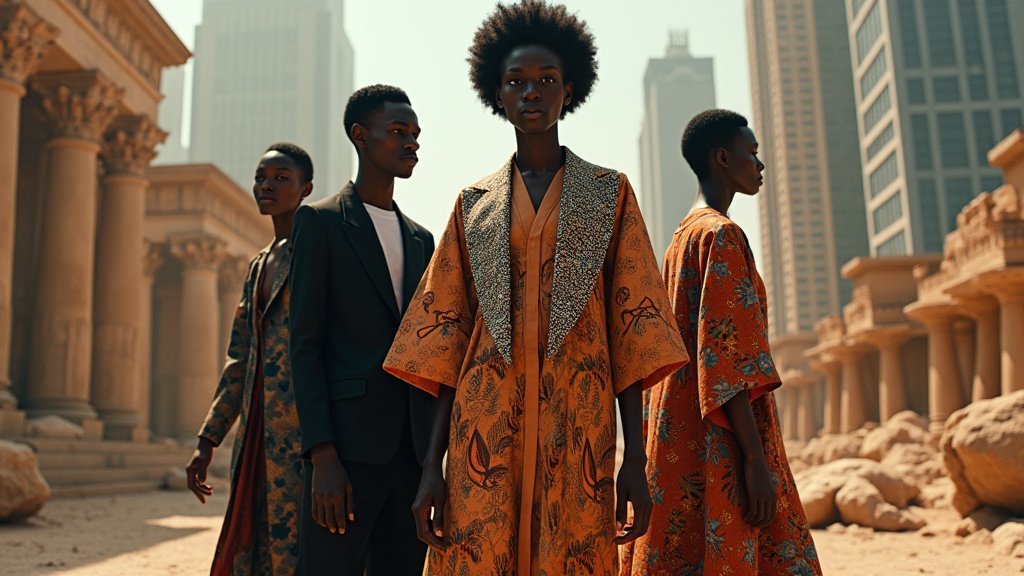
At its core, fashion serves as a powerful tool for exploring and expressing cultural identity. Traditional garments are not just fabric; they embody history, ideologies, and the social structures of a community through their materials, patterns, and construction. The intricate drapes of an Indian sari, the elegant silhouette of a Japanese kimono, or the vibrant patterns of African prints like Ankara and Kente are more than beautiful clothes; they are proud declarations of heritage and a connection to ancestry. Incorporating these traditional elements into modern wear allows individuals to honor their roots while adapting to contemporary style, fostering cultural pride and educating others.
The Global Tapestry: Cultural Exchange and Fusion
Globalization has significantly amplified the cross-cultural exchange of fashion ideas, transforming the industry into a melting pot of styles, traditions, and influences. Designers increasingly draw inspiration from diverse cultures, integrating traditional motifs, textiles, and silhouettes into their collections. This cultural fusion leads to new aesthetics, such as Japanese kimono elements influencing Western silhouettes or African prints gaining global popularity, appearing on international runways and in mainstream fashion. The blending of traditional Indian textiles with contemporary Western cuts, for instance, creates unique and culturally rich apparel that resonates with a global audience.
From Subculture to Mainstream: The Rise of Streetwear
One of the most significant cultural phenomena in recent fashion news is the ascent of streetwear. Emerging from urban youth cultures, particularly skateboarding and hip-hop scenes in the 1970s and 80s, streetwear challenged traditional notions of high fashion with its emphasis on casual, comfortable silhouettes and DIY aesthetics. Brands like Stüssy and Supreme, initially independent labels, gained cult followings, blurring the lines between casual wear and luxury. Influential figures in urban culture and music, like Run-D.M.C., popularized streetwear styles, further propelling its rise. Today, streetwear’s bold logos, oversized garments, and sneaker culture are integral to contemporary fashion, with luxury brands embracing its ethos and collaborating with streetwear labels.
Modern Catalysts: Technology and Social Movements
The digital age has revolutionized how fashion news travels and how trending styles emerge. Social media platforms, with their influencers and rapid dissemination of content, have become virtual runways, allowing trends to spread globally with unprecedented speed. Beyond aesthetics, social movements and technological advancements continue to shape fashion’s evolution. The growing emphasis on sustainability in fashion reflects changing cultural values and a heightened awareness of ethical production, leading designers to incorporate eco-friendly materials and practices. Innovations like 3D printing and AI-driven design are also offering new possibilities for customization and expression, further intertwining technology with personal style.
In conclusion, fashion is a dynamic reflection of our collective identity, continually shaped by the intricate interplay of historical context, cultural pride, global exchange, and evolving societal values. The ongoing dialogue between culture and style ensures that fashion remains a powerful medium for self-expression, communication, and the celebration of global diversity, perpetually influencing what becomes trending news in the world of apparel.