Washington D.C. — In a pivotal late-night session on Saturday, June 29, 2025, the Republican-controlled U.S. Senate took a significant step towards potentially enacting a major legislative package championed by President Donald Trump.
Formally titled the “One Big Beautiful Bill Act,” the extensive 940-page measure narrowly advanced in a procedural vote, concluding late into the night. The vote, with a margin of 51-49, occurred as lawmakers aimed to clear key hurdles before the looming July 4 recess.
Procedural Hurdle Cleared
The vote was a crucial procedural motion, signifying that the bill had garnered sufficient support to overcome potential delaying tactics and move closer to formal debate and a final vote on the Senate floor. The narrow 51-49 tally underscores the delicate balance of power within the chamber and highlights the challenges the Republican majority faces in uniting its members on significant legislation.
Intense negotiations preceded the vote, with Vice President JD Vance reportedly involved in efforts to bridge divides and consolidate support within the Republican caucus. Despite these efforts, two Republican senators ultimately joined all Democrats in opposing the procedural motion, illustrating the internal dissent surrounding the comprehensive bill.
Key Provisions of the Bill
The “One Big Beautiful Bill Act” is a wide-ranging piece of legislation encompassing significant changes to U.S. fiscal policy and government spending priorities. According to details outlined in the summary, the 940-page package proposes:
* Making permanent the tax cuts originally enacted in 2017. This provision would solidify a key policy achievement from President Trump’s previous term, with potentially far-reaching impacts on individuals and corporations.
* Increasing spending allocated to military programs.
* Boosting funding for border security initiatives.
* Implementing substantial reductions in funding for various social welfare programs. Specifically mentioned among the programs targeted for deep cuts are Medicaid and food stamps, potentially affecting millions of low-income Americans.
The combination of permanent tax cuts and deep spending reductions in social programs, alongside increases in defense and security, represents a major recalibration of federal priorities.
Legislative Journey and Opposition
The bill’s journey through Congress has been marked by narrow margins in both chambers. It previously cleared the House of Representatives on May 22 with an equally tight vote of 215-214.
Following the Senate’s procedural vote, the bill is now poised for further consideration in the upper chamber. If it successfully navigates debate and secures passage in the Senate, it would then return to the House of Representatives for a final vote to reconcile any differences between the two versions or approve the Senate’s text before heading to the White House for President Trump’s signature.
The push to advance the legislation has drawn sharp criticism from Democratic leaders. Senate Democratic leader Chuck Schumer voiced strong objections to the perceived rush to pass the sweeping measure.
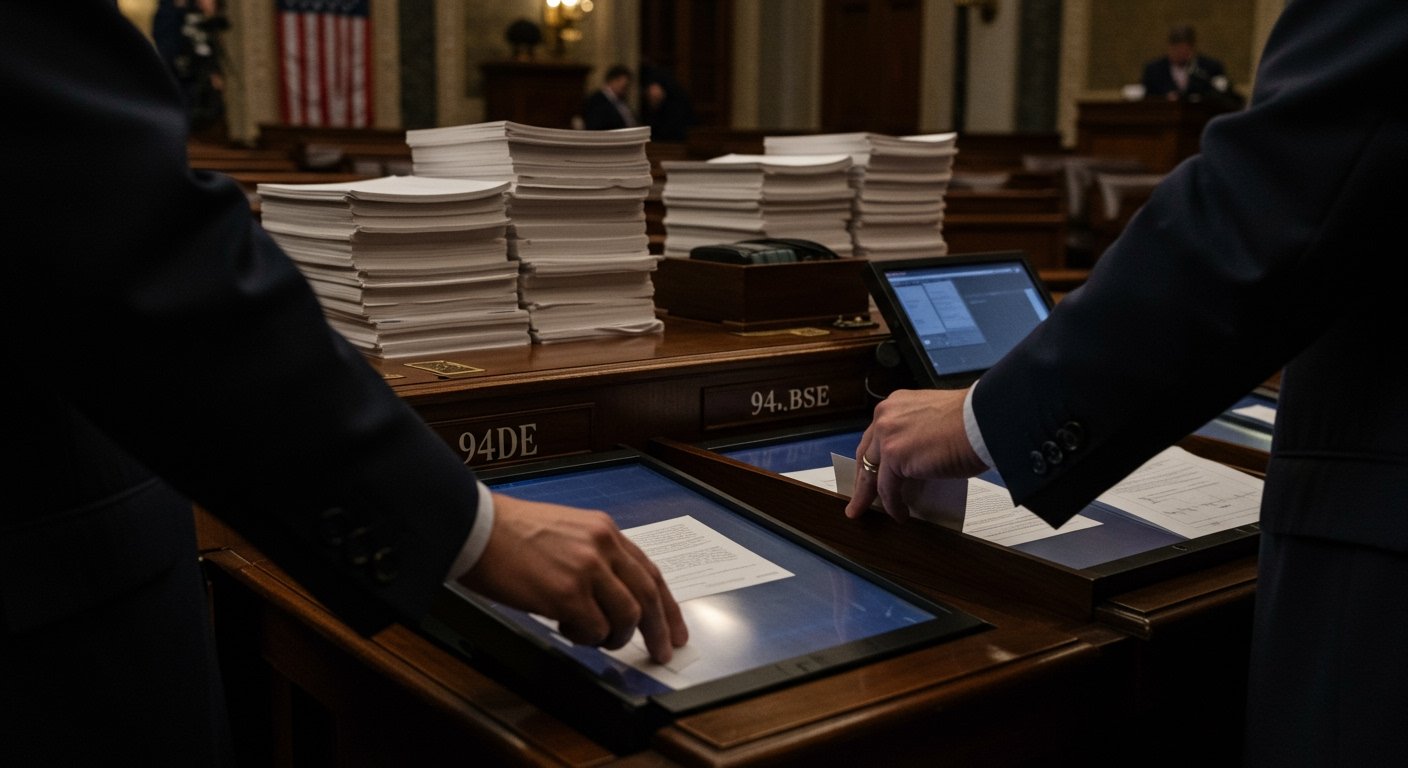
Schumer specifically demanded that the entire 940-page bill be read aloud on the Senate floor before formal debate could commence. This tactic, while time-consuming, is a procedural tool available to lawmakers to draw attention to the contents of a bill and potentially slow down its passage, emphasizing concerns about transparency and the scale of the proposed changes.
The Path Ahead
The procedural vote on Saturday night represents a significant victory for President Trump and Republican leaders in the Senate, demonstrating their ability to gather the necessary votes to overcome initial hurdles. However, the narrowness of the vote and the vocal opposition, including from within their own party, suggest that the path to final enactment remains challenging.
Key debates are expected as the bill moves through the Senate, particularly concerning the proposed cuts to social welfare programs and the long-term fiscal implications of making the 2017 tax cuts permanent. The political stakes are high, with lawmakers facing pressure from various constituencies and advocacy groups.
The outcome of the upcoming Senate floor debate and the subsequent potential final vote in the House will determine the fate of the “One Big Beautiful Bill Act” and its potential impact on the nation’s economy, military posture, border security, and social safety net programs.