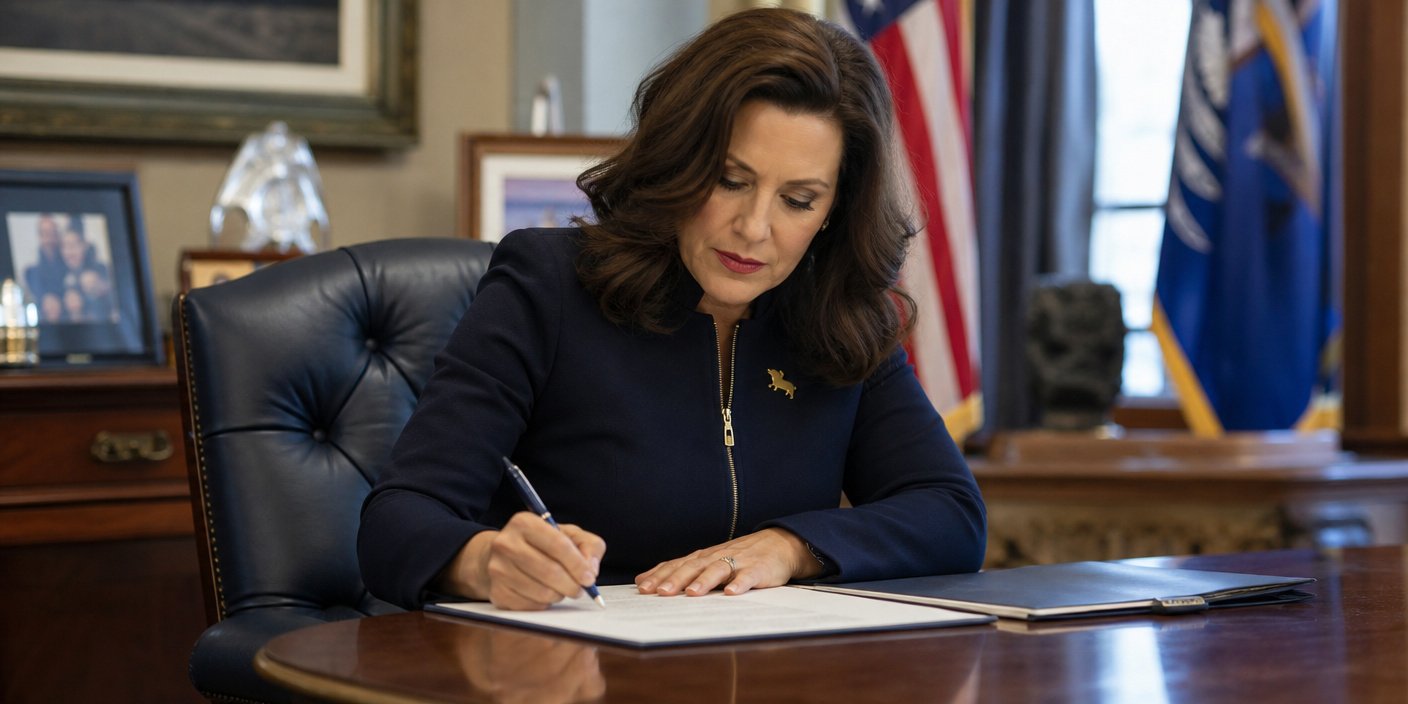
Governor Gretchen Whitmer has officially signed a comprehensive package of bipartisan legislation aimed at fortifying Michigan’s public safety infrastructure and providing targeted support for the state’s most vulnerable residents. This legislative milestone represents a significant collaborative effort within the Michigan Legislature, focusing on actionable solutions for missing children, elderly citizens, and the retention of first responders who serve in the military. The bills, which received broad support across the aisle, underscore a shift toward a more inclusive and resilient framework for community welfare.
Modernizing Protections for Vulnerable Populations
Central to the new legislative package is the expansion and modernization of the state’s Amber Alert system. Recognizing that current protocols were often ill-equipped to address the specific needs of children with cognitive or physical disabilities, lawmakers have successfully codified changes that ensure these individuals receive the necessary focus during critical search operations. This update is not merely procedural; it is a vital realignment of emergency response technology. By integrating specialized search parameters and broadening the criteria for alerts, the state aims to reduce the response time and increase the efficacy of recovery efforts for children who may not fit the traditional criteria of missing persons cases.
Safeguarding Michigan’s Seniors from Exploitation
Beyond youth safety, the legislation directly addresses the rising threat of financial and physical abuse against older adults. With an aging demographic in Michigan, the risk of exploitation—ranging from predatory financial scams to neglect—has become a pressing public safety concern. The new statutes provide law enforcement and social services with enhanced tools to prosecute those who prey on the elderly. This section of the legislative package includes provisions for clearer reporting mechanisms and harsher penalties for individuals or entities found guilty of abuse, exploitation, or fraudulent schemes targeting the senior population. By closing loopholes that previously allowed abusers to evade accountability, these laws serve as a necessary deterrent and a protective barrier for the state’s senior citizens.
Supporting First Responders: A Commitment to Service
An often-overlooked aspect of public safety is the recruitment and retention of the men and women who serve as first responders. Recognizing the critical need to support police officers, firefighters, and emergency medical personnel who also serve in the armed forces, the legislation grants 26 days of paid military leave. This provision is designed to alleviate the financial strain placed on first responders who are called to active duty or military training. By removing the economic barrier to military service, Michigan is positioning itself as a leader in supporting dual-service professionals, thereby ensuring that these individuals do not have to choose between their duty to their community and their duty to their country.
The Mechanics of Bipartisanship in Lansing
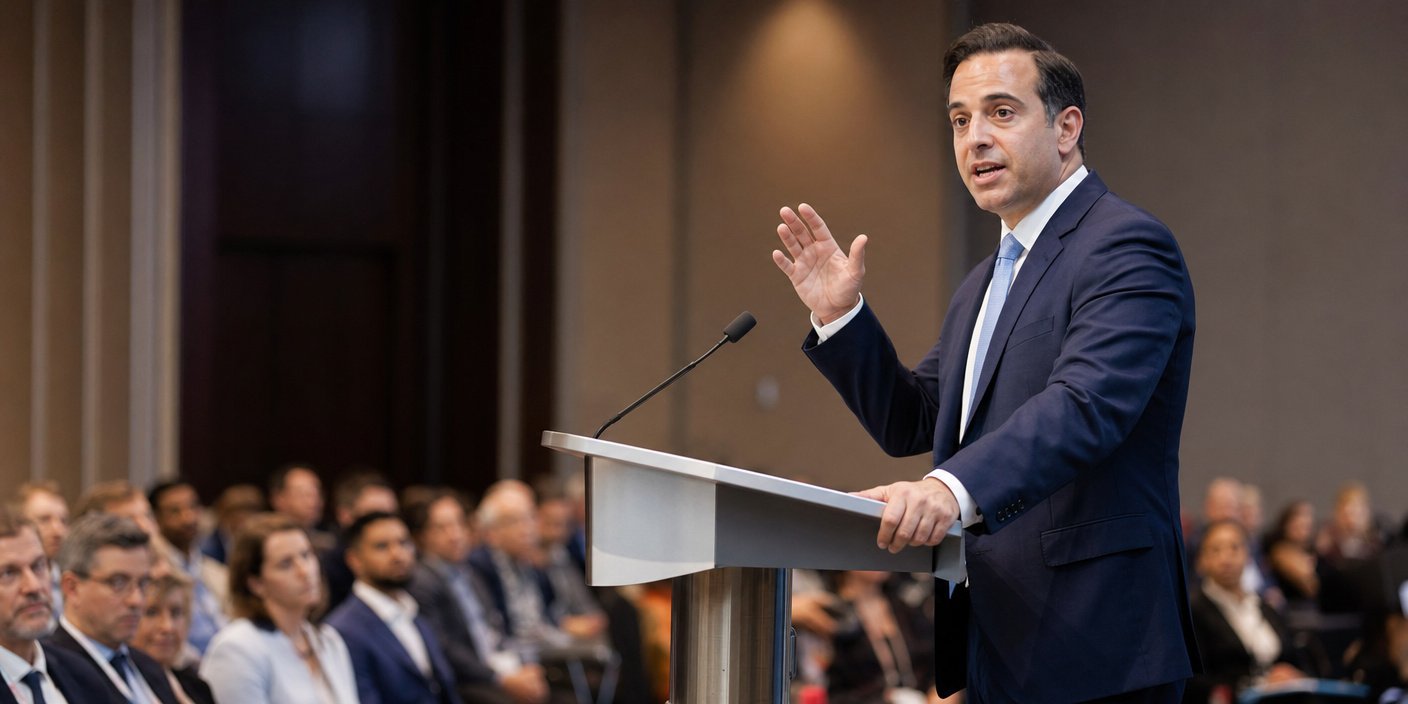
To understand the magnitude of these bills, one must look at the climate of the Michigan Legislature. In an era where legislative gridlock is common, the successful negotiation and passage of this package suggest a pragmatic approach to governance. Stakeholders and analysts note that the focus on public safety acted as a unifying force. By removing divisive political rhetoric and focusing on quantifiable community needs, lawmakers were able to secure the necessary votes to pass these bills through both the House and Senate. This successful collaboration provides a blueprint for future legislative efforts, demonstrating that when the discourse is framed around tangible community security, consensus is achievable.
Economic and Social Implications
While the primary impact is safety, the economic and social implications are equally profound. For first responders, the guaranteed military leave is a retention tool, potentially curbing the attrition rates in departments that struggle to compete with the private sector. For the families of vulnerable children and seniors, the legislative changes offer a sense of systemic reassurance. As these laws move from the Governor’s desk to active implementation, the Michigan Department of Health and Human Services and state law enforcement agencies will begin the process of integrating these policies into their standard operating procedures. This rollout will be monitored closely by policy experts to determine if the measures achieve the intended reductions in exploitation cases and improvements in recovery rates for missing persons.
Future-Proofing Public Safety
As technology and social dynamics evolve, so too must the laws that govern public safety. This legislation should be viewed as a living framework, with the potential for further amendments as new challenges arise. For instance, the success of the updated Amber Alert protocols may lead to further investments in AI-driven search capabilities or enhanced inter-agency data sharing. Furthermore, the protections for the elderly may serve as a model for neighboring states to adopt, potentially sparking a regional shift in how Midwestern states handle elder exploitation. By enacting these measures today, Michigan is not just solving immediate problems; it is establishing a baseline of security that will protect residents for years to come.