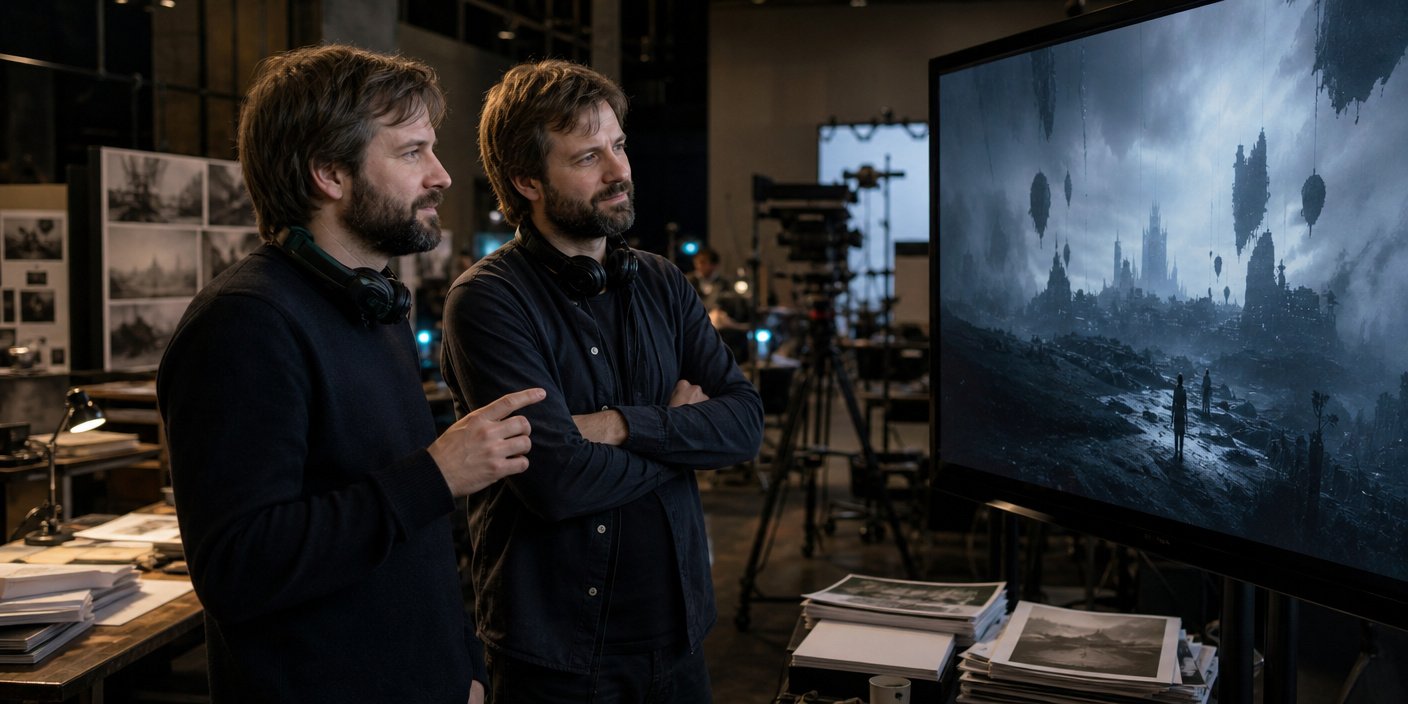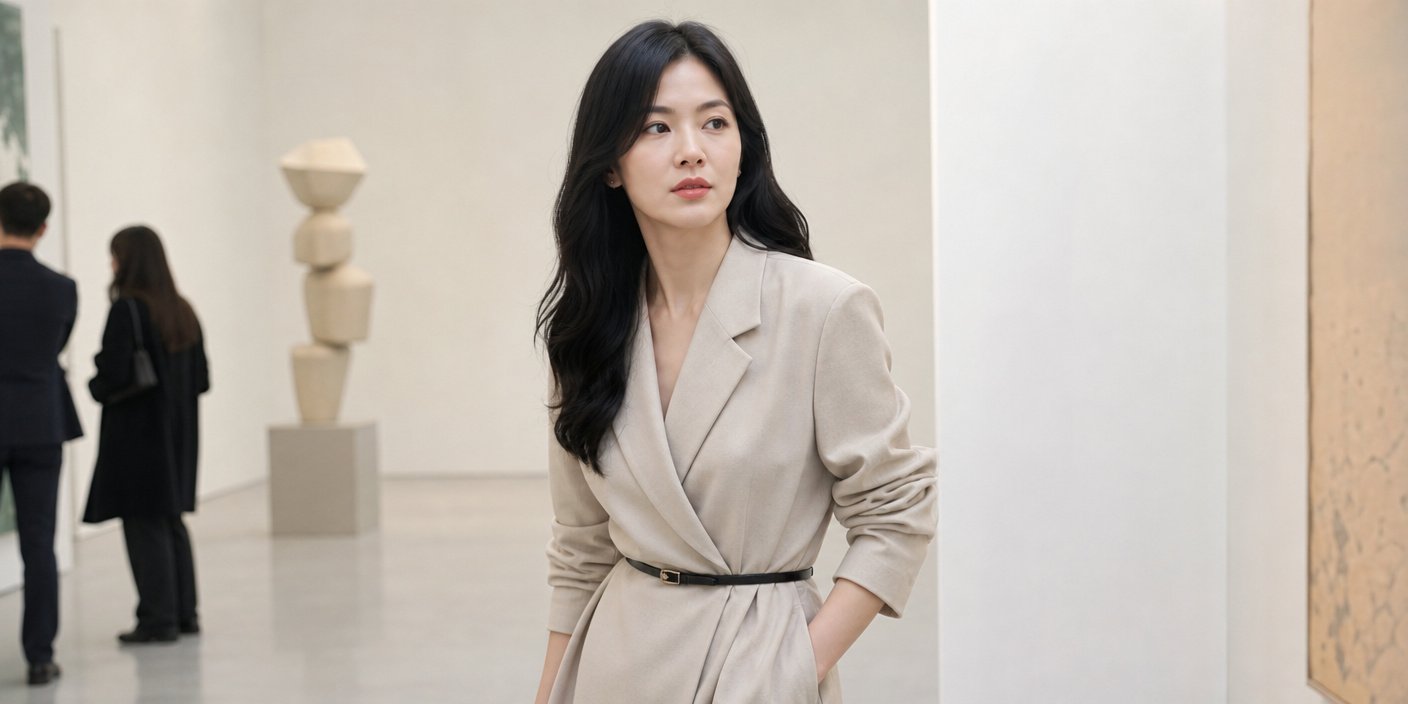
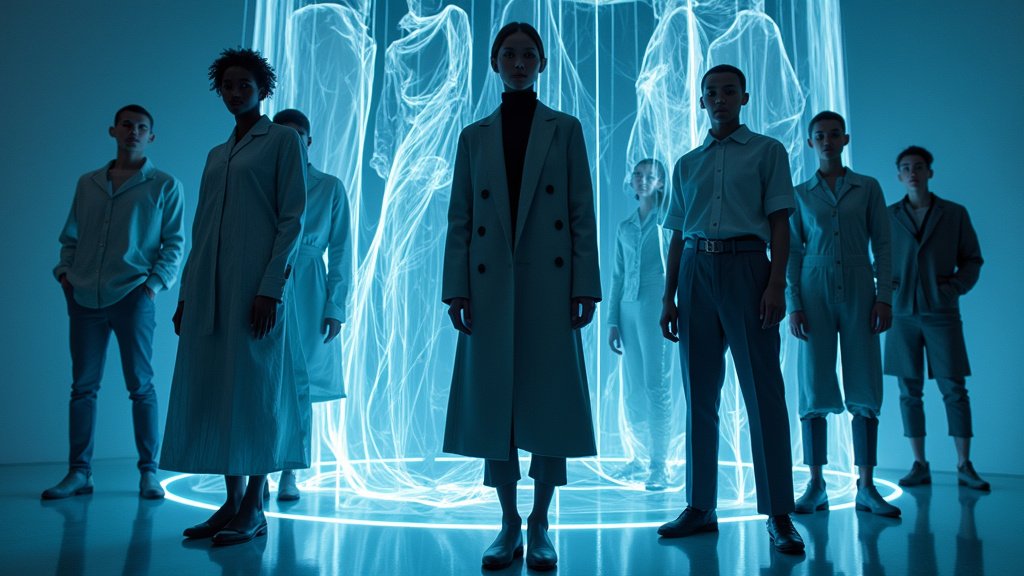
Zara is leveraging advanced Zara AI Models to digitally transform its online presence. By digitally altering real model photos, Zara is significantly expanding its online wardrobe, a move that aims to accelerate production and reduce costs. These groundbreaking Zara AI Models are at the forefront of fashion technology.
Expanding the Digital Wardrobe with Zara AI Models
Zara, a flagship brand under Inditex, is now employing sophisticated AI tools to ‘clothe’ its models in various garments and place them in new digital settings. This innovative strategy using Zara AI allows the brand to showcase a much larger selection of items without the necessity of conducting new photoshoots for every single piece. This significantly expedites the expansion of the online catalog, a crucial development for modern fashion e-commerce. The implementation of Zara AI offers retailers substantially faster turnaround times and more consistent, high-quality visuals, which is indispensable in today’s fiercely competitive market. This application of AI fashion models is a game-changer.
Achieving Efficiency and Cost Savings with AI Fashion Models
This adoption of artificial intelligence by Zara aligns with broader industry trends, as competitors such as H&M and Zalando are also utilizing AI. These companies are generating marketing imagery at an accelerated pace. AI assists brands in creating visually compelling content with remarkable efficiency, thereby cutting down on the substantial expenses associated with traditional photoshoots. Conventional shoots involve considerable costs for studios, human models, and photographers. Zara AI solutions effectively reduce these expenditures, enabling quicker product launches and helping the brand stay ahead of fast fashion cycles. The efficiency gains from Zara AI are undeniable.
Human Models Remain Integral Alongside Zara AI
Inditex has clarified that this advanced AI technology is designed to complement, rather than replace, existing creative processes and human talent. The human models whose likenesses are used in Zara’s AI initiatives are duly compensated, receiving fees equivalent to those of a standard photoshoot. This compensation covers the digital manipulation of their images, a process for which they are consulted beforehand and must provide explicit consent. This approach ensures that ethical practices are upheld as Zara integrates Zara AI. The brand remains committed to preserving its distinct aesthetic while adapting to evolving consumer behaviors and the capabilities of AI in retail.
Broader AI Impact in Fashion and Digital Fashion
Zara’s innovative use of AI for model imagery is part of a larger technological wave sweeping through the fashion industry. Artificial intelligence is now influencing numerous facets of the fashion world. It plays a vital role in trend forecasting by analyzing vast datasets from social media and sales figures to predict upcoming styles with greater accuracy. AI tools are also enhancing design and creativity, helping to identify emerging trends and understand customer preferences. Furthermore, AI contributes to sustainability efforts by potentially reducing waste in fashion production and supply chains. The rise of virtual models and digital fashion is also a significant development. Technologies like virtual try-on are gaining traction, offering customers a preview of garments, which can lead to fewer returns and greater sustainability. These advancements collectively contribute to more personalized shopping experiences, a key benefit of AI in fashion.
Future Outlook: The Integration of Zara AI
The fashion industry is rapidly embracing AI, unlocking enhanced efficiency and groundbreaking possibilities. From AI content creation to sophisticated customer engagement strategies, AI is fundamentally reshaping operations. Zara’s strategic deployment of Zara AI for model imagery exemplifies this profound shift, demonstrating a commitment to balancing speed with creativity. Nevertheless, ongoing discussions regarding the impact of AI on creative professions persist. The integration of AI into fashion is a trending topic with far-reaching implications for all aspects of fashion technology. This continuous technological evolution promises to further transform how fashion is produced and presented. The industry is actively navigating these changes, striving to maintain its inherent creative spirit while harnessing the power of AI.