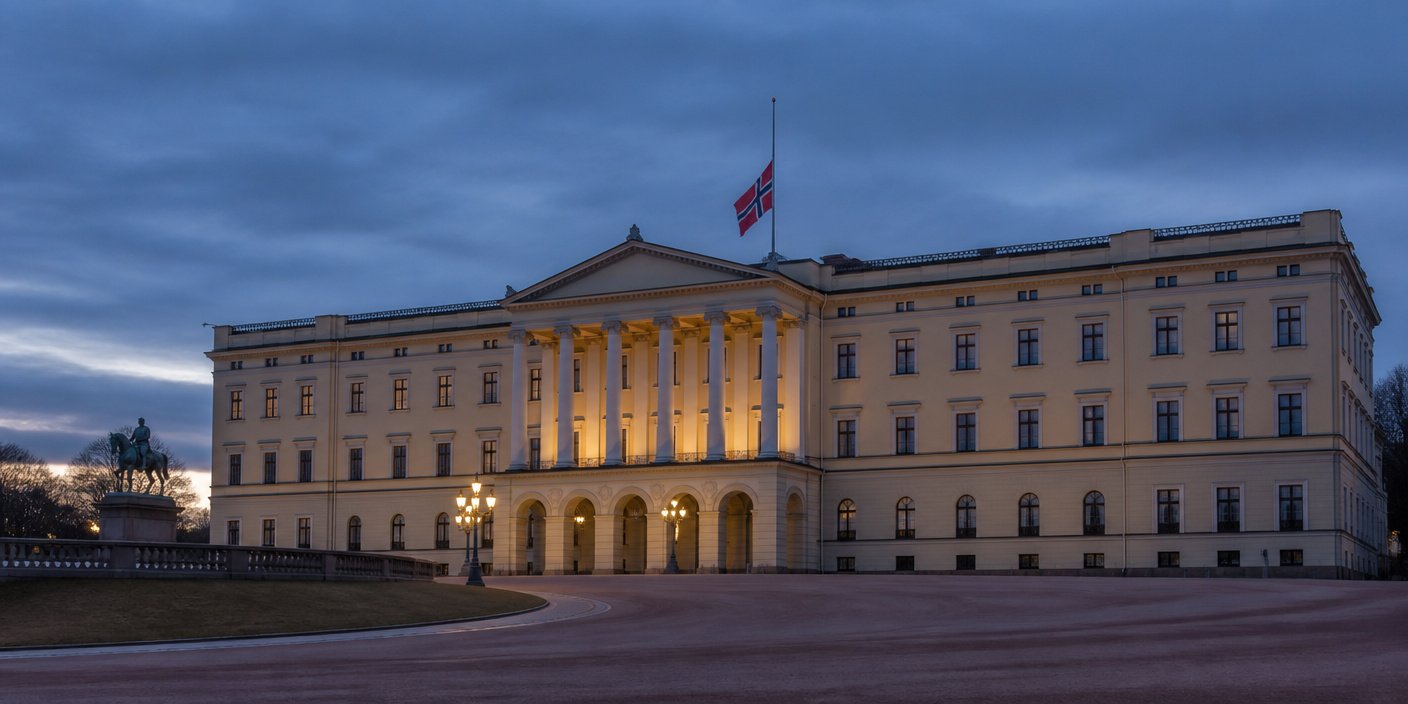
President Donald Trump struck a somberly conciliatory tone late Saturday, issuing a national call for unity and bipartisan healing after what he identified as the third attempt on his life in less than two years. The incident, which unfolded as a suspect attempted to breach the security perimeter of the Washington hotel hosting the annual White House Correspondents’ Association dinner, has once again thrust the issue of political violence into the center of American discourse. In a hastily convened news conference at the White House, a subdued Trump addressed the nation, urging citizens to put aside deep-seated ideological differences and move toward a more cohesive political future, even as the administration and critics alike grapple with the implications of an increasingly volatile security climate. The president’s rhetoric, often characterized by sharp, combative engagement, marked a notable departure from his usual style, though questions remain about the longevity of this newfound call for cooperation.
Key Highlights
- The Incident: A 31-year-old California man, identified as Cole Tomas Allen, was taken into custody after attempting to rush past security perimeters at the hotel hosting the White House Correspondents’ Association dinner.
- Presidential Response: Donald Trump described the event as a “dangerous” moment for the presidency, framing it as the third assassination attempt against him in two years and urging a national focus on bipartisan healing.
- The ‘Unity’ Pivot: While Trump called for unity, the rhetoric was quickly juxtaposed against his ongoing commentary regarding the White House’s controversial ballroom construction project, which he argued would have prevented the security lapse.
- Political Atmosphere: The event underscores the escalating tension in American political life, with the president drawing parallels between his experience and the historical threats faced by leaders like Abraham Lincoln to emphasize his own impact.
The Anatomy of the Security Breach and the Call for Calm
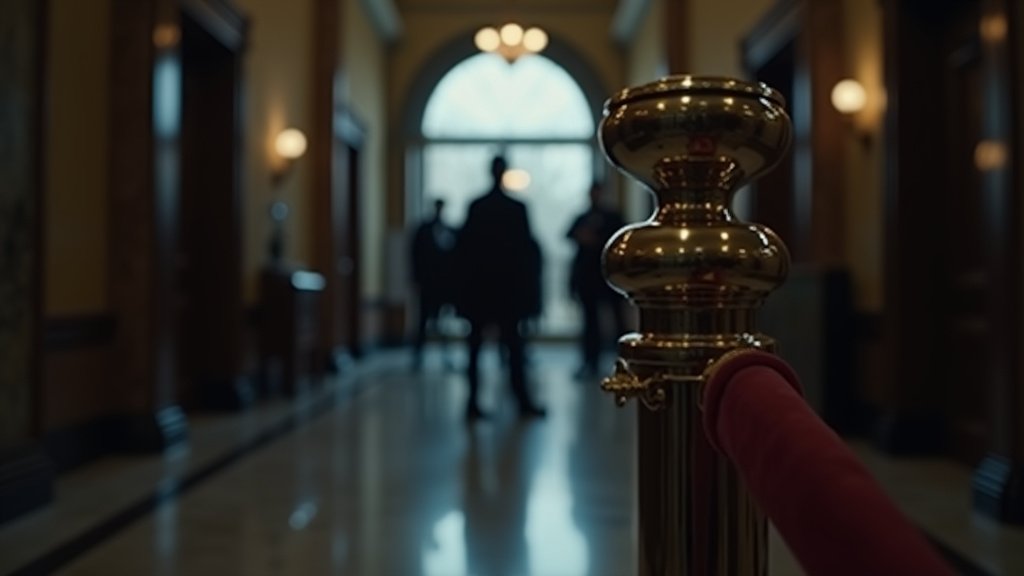
The tension at the White House Correspondents’ Association dinner was palpable as news of the security breach began to circulate. While the event is historically a celebration of press freedom and a rare moment where the administration and the media converge in a non-combative environment, Saturday night’s occurrence transformed the venue into a site of national alarm. Cole Tomas Allen, 31, of Torrance, California, was apprehended by law enforcement after authorities identified him attempting to bypass security checkpoints with weapons. The swift intervention of the Secret Service and local police prevented the situation from escalating further, but the psychological impact on the attendees—ranging from senior White House officials to members of the press corps—was immediate.
In his post-incident remarks, President Trump spoke with an uncharacteristic gravity. “It’s always shocking when something like this happens,” he told reporters. “Happened to me, a little bit. And that never changes.” The President’s framing of the incident as a “third attempt on his life” serves as a potent reminder of the precarious environment currently surrounding the nation’s highest office. By elevating this specific breach to the status of an assassination attempt, the administration is effectively setting a new threshold for public discourse regarding executive safety and the polarization that some argue fosters such acts of aggression.
Rhetoric vs. Reality: The Challenges of Bipartisan Healing
The President’s call for “unity and bipartisan healing” is a narrative that has surfaced repeatedly during his tenure, usually in the wake of national tragedies or high-stakes security incidents. However, the efficacy of these calls often remains a point of contention. Political analysts note that while such language serves to soothe a rattled public in the immediate aftermath, the structural and partisan divides that define the current era rarely shift in response to executive rhetoric alone.
Trump’s own admission during the press conference—that his political adversaries and supporters often share little in common—highlighted the difficulty of his own request. “I will say, you had Republicans, Democrats, independents, conservatives, liberals and progressives,” he said. “Those words are interchangeable, perhaps, but maybe they’re not.” This acknowledgment of the deep semantic and ideological chasm in the country suggests that the President is acutely aware of the difficulty inherent in achieving the unity he advocates. The challenge lies in whether this moment of collective shock can be leveraged into policy-making or legislative cooperation, or if it will simply fade as the news cycle moves toward the next electoral priority.
The ‘Ballroom’ Controversy and Political Signaling
Perhaps most indicative of the complexity of the President’s messaging was his pivot back to a familiar talking point: the ongoing renovation of the White House. Shortly after his plea for unity, the narrative shifted, with the President asserting that the attack “would never have happened with the Militarily Top Secret Ballroom currently under construction at the White House.” This pivot illustrates the unique blend of personal grievance, administrative focus, and political signaling that characterizes the Trump brand.
By framing the security failure as a consequence of the “ridiculous ballroom lawsuit” and the delay of the project, the President successfully redirected the conversation from the abstract threat of political violence to a tangible, localized issue that he has championed. For his supporters, this demonstrates an unwavering commitment to his vision for the White House; for his critics, it is a deflection that minimizes the broader danger of the incident by tethering it to a domestic construction dispute. This duality—the ability to simultaneously embrace the role of the threatened national leader and the administrative project manager—remains the hallmark of the current administration’s communications strategy.
Historical Context: The Impact of Political Violence
Comparing the current climate to historical instances of political violence is a strategy the President utilized during his address, explicitly invoking the name of Abraham Lincoln. By suggesting that “the most impactful people” are the ones targeted, the President is crafting a narrative that validates the intensity of the opposition he faces. This is a common rhetorical device used to frame attacks not as failures of security, but as externalities of success.
However, historians warn that this framing can be a double-edged sword. While it provides a sense of resilience and purpose to the President’s base, it also reinforces the “us vs. them” mentality that many experts believe contributes to the rise in political extremism. If the narrative is that the opposition is inherently violent because they seek to stop progress, the space for legitimate, non-violent political debate narrows significantly. The coming weeks will likely see the administration attempting to navigate this tightrope: maintaining the narrative of being a high-impact, targeted leader while simultaneously pushing for the “unity” that the current moment demands.
FAQ: People Also Ask
Q: What exactly happened at the White House Correspondents’ Association dinner?
A: A security incident occurred involving a 31-year-old suspect named Cole Tomas Allen, who attempted to breach the security perimeter at the hotel where the dinner was being held. The suspect was apprehended by law enforcement, and no injuries were reported among the attendees.
Q: Is this considered an official assassination attempt?
A: President Trump has framed the event as the third assassination attempt on his life in the last two years. While official investigations are ongoing to determine the suspect’s motives and capabilities, the administration is treating the classification of the event with significant gravity.
Q: How does this impact the 2026 political climate?
A: The incident is likely to intensify debates regarding political violence, security, and rhetoric. It forces both parties to respond to the reality of the threat, potentially creating a temporary cooling-off period in partisan attacks, though analysts are skeptical about the long-term impact on political polarization.
Q: What is the ‘White House Ballroom’ comment about?
A: The President linked the security breach to the delay in the construction of a new ballroom at the White House, arguing that the facility would have provided superior security and prevented the incident. He has frequently criticized legal challenges that have slowed the construction project.