
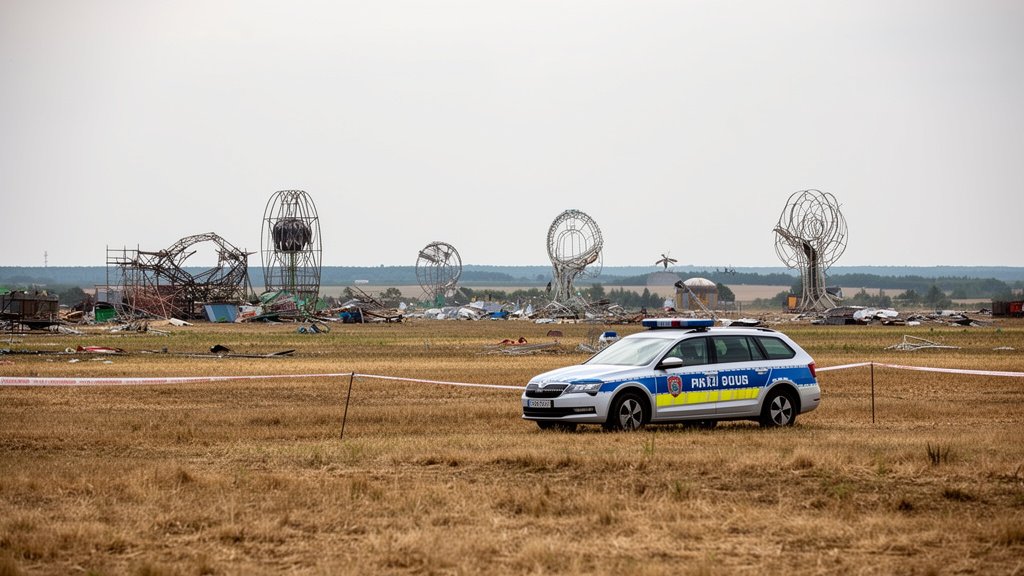
The renowned Ozora Festival, a cornerstone of the global psychedelic trance music scene, has ceased operations early following the tragic deaths of two attendees. The event, held annually in the rural fields of Dádpuszta, Hungary, was abruptly concluded as local law enforcement launched a comprehensive investigation into the circumstances surrounding the fatalities. Thousands of attendees, who had traveled from across the globe for the multi-day celebration, were forced to vacate the site as organizers complied with authorities to suspend the remaining schedule.
The Abrupt End of a Psytrance Landmark
For over two decades, the Ozora Festival has stood as one of the most significant gatherings for the international psychedelic trance community. Drawing tens of thousands of participants to the Hungarian countryside, the festival was intended to be a week-long immersion into music, art, and communal living. However, the atmosphere shifted drastically when reports surfaced concerning the health and safety of participants.
The festival organizers, faced with the gravity of the situation and under the directive of local authorities, made the difficult decision to shut down the event prematurely. This move, while necessary from a legal and moral standpoint, has sent shockwaves through the community of loyal attendees, many of whom regard the festival as a spiritual and cultural home. The transition from a vibrant, music-filled landscape to an empty, silent site highlighted the severity of the intervention by Hungarian law enforcement.
Authorities and the Investigation Process
Following the reports of the two deaths, the Hungarian police presence at the site was immediate and intensified. The investigation into the incident is multifaceted, with authorities looking into potential causes, including medical emergencies and illicit substance interactions, which are heavily monitored at large-scale events in Hungary. The country maintains a stringent “zero tolerance” policy regarding narcotics, a factor that invariably complicates the operational landscape for major music festivals.
Police cordoned off key areas of the festival grounds to preserve the integrity of their investigation. While specific details regarding the identities of the deceased or the exact timeline of the medical emergencies remain under privacy protection laws during the active inquiry, the event serves as a stark reminder of the risks associated with large-scale outdoor events in remote locations. The coordination between the festival organizers and the national police force was described as absolute, reflecting the pressure promoters face when managing crowds of such significant density far from major urban medical centers.
Impact on the Electronic Music Community
This incident has ignited a broader conversation regarding festival safety, medical preparedness, and the “harm reduction” strategies employed at major music gatherings. Critics of current festival protocols often point to the logistical difficulties of securing medical support in rural areas like Dádpuszta, where rapid emergency response is naturally hampered by geography.
The cancellation of Ozora is not merely a loss of revenue or a disrupted itinerary; it represents a psychological blow to a subculture that prides itself on connectivity and well-being. For many, the early closure is an unprecedented event that raises questions about the future sustainability of the festival in its current format. As the dust settles in the Hungarian countryside, organizers are expected to face rigorous scrutiny regarding their security measures, medical staffing ratios, and risk management protocols.
Beyond the immediate operational fallout, the incident has highlighted the stark divide between the hedonistic nature of the electronic music scene and the conservative legislative environment in Hungary. The intersection of these two forces—the globalized “rave” culture and local, strictly-enforced regulations—has long been a source of tension. This tragedy has effectively amplified that friction, leading to calls for better integration of health and safety standards that go beyond mere compliance, focusing instead on proactive, on-site medical intervention strategies that could prevent such outcomes in the future.
FAQ: People Also Ask
1. Why did the Ozora Festival close early?
The festival was closed early following the deaths of two attendees, which triggered an immediate investigation by Hungarian authorities to determine the cause of the fatalities and ensure site safety.
2. Is there an active police investigation at the Ozora site?
Yes. Local law enforcement engaged in a full investigation on-site immediately following the incidents, enforcing strict procedures and working with organizers to facilitate the evacuation of the grounds.
3. Will the Ozora Festival continue in the future?
While the 2024 edition was cut short, the future of the festival depends on the outcome of the ongoing police investigation and potential changes to safety and security regulations required by Hungarian officials for future events.