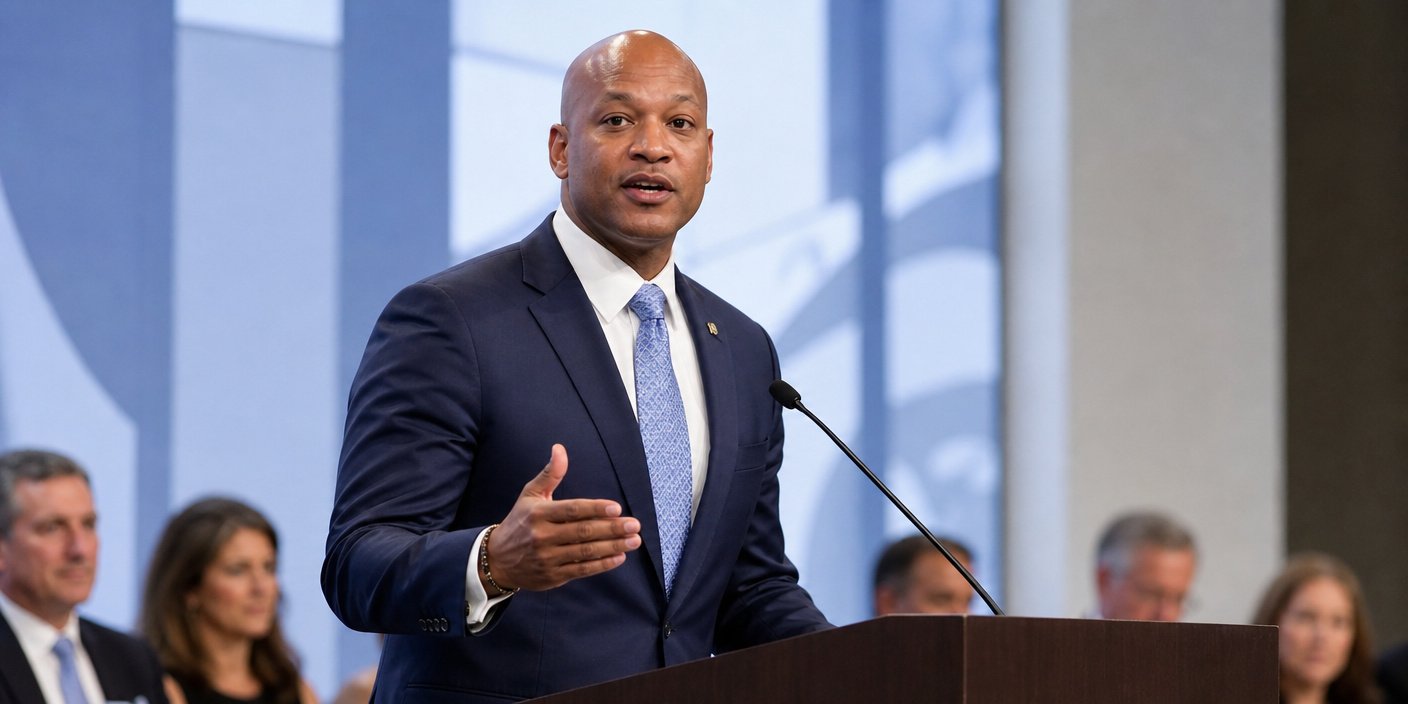

Governor Josh Shapiro has signed Executive Order 2026-04, a pivotal directive establishing the ‘Commonwealth Surge Workforce’ and modernizing state emergency management protocols. The executive action comes as the administration proactively addresses anticipated shifts in federal disaster support policies, aiming to bolster Pennsylvania’s intrinsic resilience. By formalizing this surge capacity, the Governor seeks to ensure that the Commonwealth can maintain operational continuity during large-scale climate events, infrastructure failures, or public health emergencies, regardless of the level of federal assistance available at the moment of crisis.
Key Highlights
- Establishment of the Commonwealth Surge Workforce: A newly defined tiered system of inter-agency personnel and trained volunteers designed to mobilize rapidly during declared emergencies.
- Modernized Protocols: A total overhaul of existing emergency management frameworks, integrating digital reporting and real-time asset tracking to optimize resource deployment.
- Federal Policy Contingency: A strategic pivot designed to insulate Pennsylvania from potential austerity or policy shifts in federal disaster funding.
- Enhanced Resilience: Strengthening the Commonwealth’s ability to act as a first-responder entity rather than relying solely on post-disaster federal reimbursement.
A Structural Pivot in Pennsylvania Disaster Management
The signing of Executive Order 2026-04 represents a significant departure from traditional reactive emergency management strategies. Historically, Pennsylvania—like many states—has relied heavily on the Federal Emergency Management Agency (FEMA) to provide both financial and logistical scaffolding during major catastrophes. However, as federal budgets face mounting pressures and national disaster support policies evolve, Governor Shapiro’s administration is clearly signaling a shift toward ‘sovereign readiness.’
The Anatomy of the Surge Workforce
At its core, the Commonwealth Surge Workforce is not merely a staffing initiative; it is a complex logistical architecture. The EO mandates that the Pennsylvania Emergency Management Agency (PEMA) cross-train personnel from various state departments—including Transportation, Health, and General Services—to serve as the ‘Surge Workforce.’
This means that a state employee, during standard operations, performs their routine duties. However, upon the activation of the Surge protocol, they are immediately re-tasked as support units for critical infrastructure, logistics, or human services, depending on the nature of the emergency. This ‘dual-hat’ capability significantly increases the state’s depth of available talent without the unsustainable cost of maintaining a massive, permanent standing emergency force. By creating a scalable human infrastructure, the Commonwealth can throttle up its response capabilities during the first 48 to 72 hours of a disaster, which are widely considered the most critical for life-saving interventions.
Anticipating the Federal Shift
While the text of the EO emphasizes resilience, analysts note that the underlying motivation is fiscal and political hedging. Federal disaster support is increasingly subject to rigorous criteria, and reimbursement processes can often take years to settle. By strengthening the Commonwealth’s internal readiness, Shapiro is effectively reducing the state’s immediate dependence on federal timelines.
This proactive stance is likely a response to broader trends in national governance, where states are increasingly being tasked with carrying a larger portion of their own emergency mitigation costs. By upgrading protocols now, Pennsylvania is positioning itself as a leader in state-level fiscal responsibility, ensuring that disaster mitigation does not lead to long-term budget deficits.
Technological and Operational Integration
The modernization of protocols mandated by EO 2026-04 is expected to digitize many of the legacy systems currently utilized by PEMA. We are likely to see the implementation of a unified ‘Command and Control’ software suite that allows for the real-time tracking of not just the Surge Workforce, but also essential inventory, such as temporary housing supplies, medical equipment, and fleet assets.
This digitisation is crucial for coordination across Pennsylvania’s 67 counties. The Commonwealth’s diverse geography—ranging from the high-density urban corridors of Philadelphia and Pittsburgh to the rural, mountainous regions of the Appalachians—requires a tiered response strategy. The EO ensures that the surge assets can be deployed with surgical precision, preventing the common issue of resource bottlenecking that has plagued state responses in decades past.
Secondary Angles: Resilience and Implementation
1. Local Municipal Empowerment: A critical, often overlooked aspect of the EO is the potential for deeper integration between state assets and local municipal authorities. By standardizing protocols at the state level, smaller townships that previously lacked the capability to coordinate complex disaster relief will now have a ‘playbook’ and direct access to the state’s Surge Workforce, leveling the playing field for rural resilience.
2. Long-term Fiscal Health: By front-loading investment in readiness, the Commonwealth is aiming to reduce the ‘disaster tax’—the hidden costs of delayed response, which often include longer-term recovery expenses, infrastructure decay, and loss of tax revenue due to business disruptions. This EO is a preventative fiscal health measure.
3. Climate Adaptation: The surge framework is designed to be climate-agnostic. Whether dealing with flooding, severe storm events, or extreme heat waves, the fundamental structure of the Surge Workforce remains relevant, allowing for adaptability as climate patterns in the Northeast continue to evolve.
FAQ: People Also Ask
Q: How is the ‘Commonwealth Surge Workforce’ funded?
A: The EO mandates that funding for training and initial implementation is to be drawn from existing PEMA operational budgets and authorized contingency funds, with a requirement for state agencies to reallocate internal resources to support the surge deployment.
Q: Does this replace local police or fire departments?
A: No. The Commonwealth Surge Workforce is intended to supplement, not replace, local first responders. It acts as a back-end logistics and specialized support layer, ensuring local responders are not overwhelmed by administrative or logistical tasks during large-scale events.
Q: When will these new protocols take full effect?
A: The EO sets an immediate timeline for the initial drafting of the new protocols, with a phased rollout of the Surge Workforce training and asset integration expected to be completed within the current fiscal cycle.
Q: Will this affect taxpayers?
A: The administration frames this as a efficiency-focused reorganization rather than an expansion of the state government. By utilizing existing state employees in a dual-role capacity, the goal is to optimize current spending rather than increasing the overall tax burden.