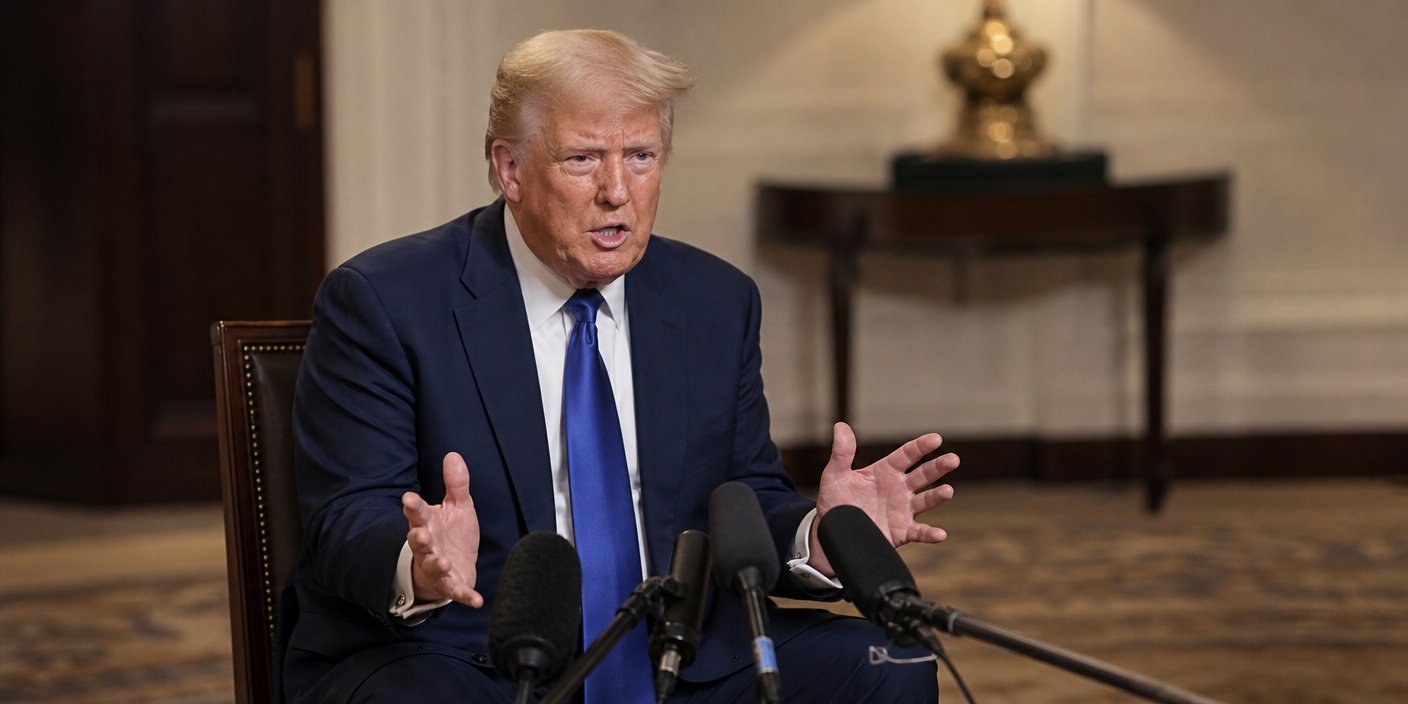
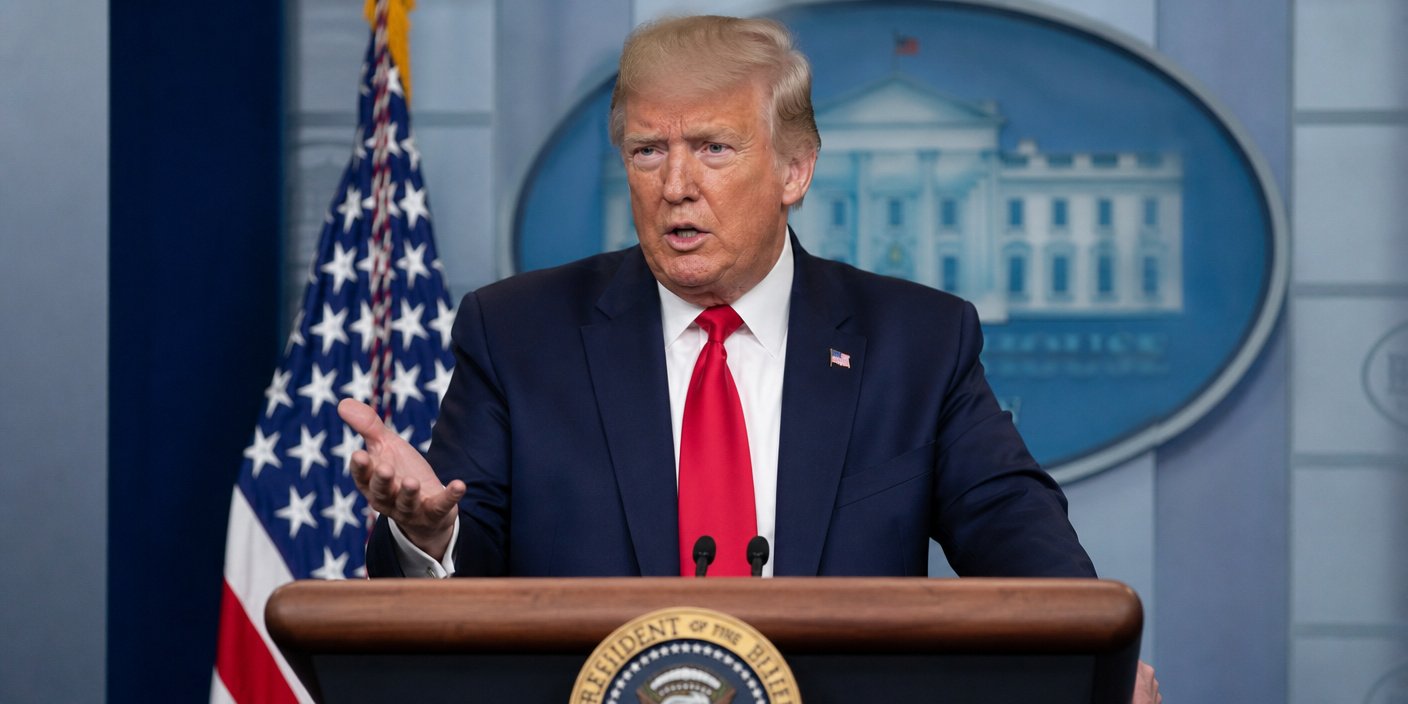
President Trump has signaled a major breakthrough in the escalating US-Iran conflict, stating that a definitive deal to reopen and secure the Strait of Hormuz could be finalized as early as this Wednesday. The announcement, which follows intensive mediation efforts spearheaded by the State of Qatar, suggests a significant shift in diplomatic posture that could stabilize one of the world’s most volatile maritime chokepoints. This potential agreement, if solidified, marks a pivotal moment for international maritime law and global energy security, potentially de-escalating months of tension that have threatened global oil supply chains and increased the risk of naval confrontation.
Key Highlights:
- Potential breakthrough: A landmark agreement concerning the Strait of Hormuz could be finalized by Wednesday.
- Qatar’s critical mediation: The State of Qatar has played a central role in facilitating dialogue between the US and Iranian delegations.
- Energy market impact: Stability in the Strait is vital for the transit of approximately 20% of the world’s total petroleum consumption.
- Strategic shift: The deal represents a significant pivot in US-Iran relations, aiming to establish clearer navigation protocols.
Navigating the Geopolitics of the Persian Gulf
The Strait of Hormuz is more than a geographic chokepoint; it is the jugular vein of the global energy economy. Positioned between the Persian Gulf and the Gulf of Oman, this narrow waterway serves as the essential maritime highway for oil exports from Saudi Arabia, Iraq, the United Arab Emirates, and Kuwait. Any disruption here—whether through naval blockades, the seizing of tankers, or military posturing—has immediate, often cascading, effects on global inflation and energy pricing. The Trump administration’s assertion that a deal is imminent suggests that the primary points of contention—maritime boundaries, freedom of navigation, and military escort protocols—are being addressed through a framework mediated by Qatar’s diplomatic corps.
Qatar’s Role as the Diplomatic Architect
Qatar has long positioned itself as a unique and indispensable mediator in the Middle East, maintaining functional, if sometimes complex, relationships with both Western powers and the Islamic Republic of Iran. By leveraging its strategic diplomatic capital, Doha has successfully facilitated back-channel negotiations that official US-Iran channels often struggle to navigate directly. The involvement of Qatari officials suggests that the proposed deal is not merely a military ceasefire but a broader de-escalation effort. This approach likely includes mutual guarantees regarding tanker safety and a reduction in the aggressive shadowing of commercial vessels by the Iranian Islamic Revolutionary Guard Corps (IRGC).
Economic Implications for Global Markets
For the global economy, the stakes of this potential Wednesday deadline cannot be overstated. Energy markets are hyper-sensitive to geopolitical stability in the Persian Gulf. A successful implementation of this deal could reduce the ‘risk premium’ currently baked into oil futures, potentially offering a momentary respite for global shipping costs. However, analysts warn that the efficacy of any agreement depends on enforcement mechanisms. Historically, agreements regarding the Strait of Hormuz have faced difficulties regarding monitoring and compliance. The market will be watching not just for the announcement on Wednesday, but for the tangible, verifiable changes in naval conduct on the ground and at sea.
Historical Context: From the Tanker War to Modern Tensions
The history of the Strait of Hormuz is defined by the 1980s ‘Tanker War’ during the Iran-Iraq conflict, where maritime assets became direct targets of military engagement. Modern tensions have mirrored these historical cycles, with incidents involving the seizure of tankers and the deployment of advanced anti-ship weaponry. The current administration’s move toward a diplomatic solution represents a departure from the ‘maximum pressure’ campaigns that characterized previous phases of the conflict. By shifting focus toward a negotiated security arrangement, the potential deal aims to move away from the brinkmanship that has defined US-Iran relations for decades.
FAQ: People Also Ask
1. Why is the Strait of Hormuz so important?
The Strait of Hormuz is the world’s most critical oil transit chokepoint. Approximately 20% of the world’s total petroleum consumption passes through this narrow passage, making any closure or instability a direct threat to global energy security and economic stability.
2. What is Qatar’s involvement in this potential deal?
Qatar acts as a critical neutral mediator between the United States and Iran. Given their established diplomatic relations with both nations, Qatar facilitates the communication necessary to negotiate terms for maritime safety, de-escalation, and international shipping rights.
3. What happens if a deal is reached on Wednesday?
If a deal is finalized, it is expected to establish new ‘rules of the road’ for naval vessels operating in the Strait. This would likely include communication protocols, designated shipping lanes, and mutual pledges to refrain from seizing commercial vessels, theoretically leading to a lower risk profile for maritime insurers and oil shippers.
4. How does this impact oil prices?
Oil prices often include a ‘geopolitical risk premium’ when tensions are high in the Persian Gulf. A successful deal that lowers the likelihood of conflict would theoretically remove this premium, which could stabilize or reduce oil prices in the short to medium term.