Los Angeles is set to transform into a sprawling, open-air conservatory of sound this August. Beginning August 8, 2026, the inaugural Los Angeles Jazz Festival will break traditional event models by eschewing centralized venues in favor of a democratic, city-wide experience. Stretching across all 15 council districts, this monumental series of free concerts promises to redefine urban public programming, culminating in a high-profile, beachside mega-performance featuring musical titans John Legend, Janelle Monáe, and the legendary Parliament Funkadelic.
Key Highlights
- The Launch: The festival officially commences on August 8, 2026, activating public spaces across all 15 Los Angeles council districts.
- Accessibility: Every event scheduled throughout the city-wide festival is free to the public, aiming to make world-class jazz and soul music accessible to all Angelenos.
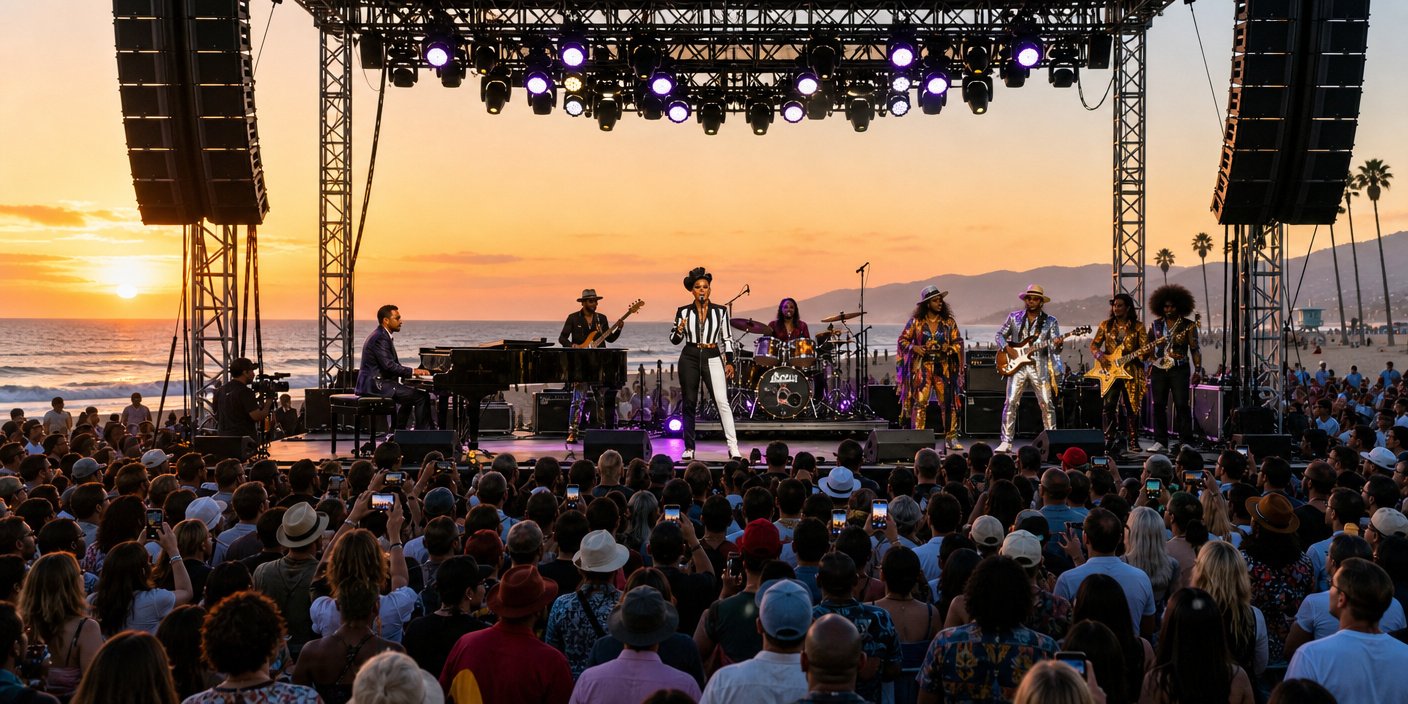
- The Finale: The festival concludes with a massive, exclusive beachside performance headlined by John Legend, Janelle Monáe, and Parliament Funkadelic.
- Logistical Scale: This is the most extensive musical programming event in city history, requiring coordination between the Mayor’s office, local council districts, and major logistical partners.
The Architecture of a City-Wide Soundscape
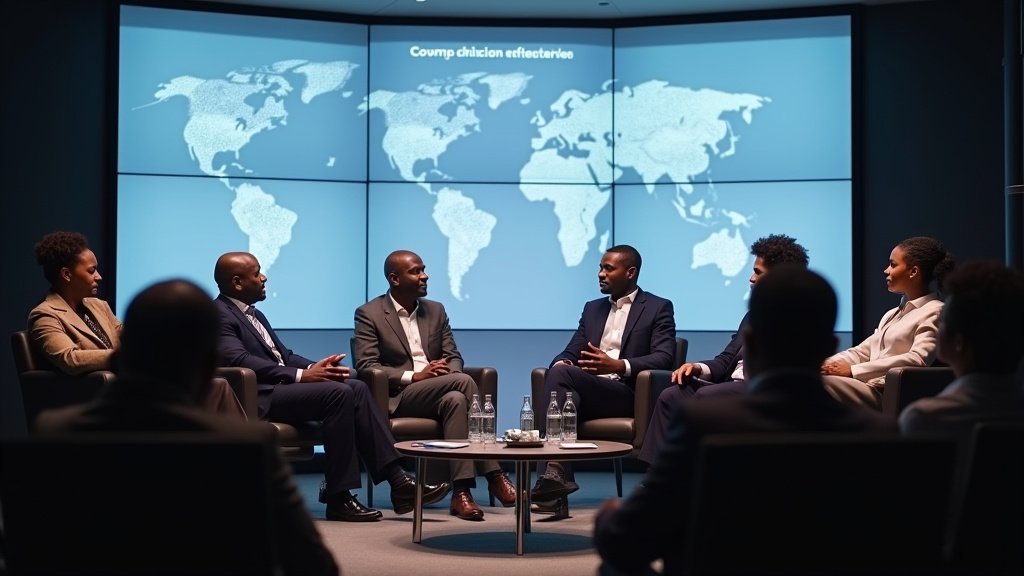
The 2026 Los Angeles Jazz Festival represents a pivot in how major metropolitan areas handle large-scale cultural events. Rather than creating a single, traffic-congested bottleneck at a stadium or convention center, the festival’s organizers have opted for a decentralized model. By utilizing all 15 council districts, the event ensures that the economic and cultural benefits of the festival are distributed evenly, rather than concentrated in the downtown corridor.
The Decentralization Strategy
Each council district will host a series of curated performances ranging from traditional bebop and swing to contemporary fusion and avant-garde compositions. This strategy serves two purposes: reducing the strain on the city’s transit infrastructure and fostering a local sense of ownership within each district. For neighborhoods that typically see less investment in large-scale arts programming, this is a transformative opportunity. The planning committee has emphasized that each location was chosen not just for its capacity, but for its historical and architectural significance, aiming to create a visual backdrop that complements the sonic complexity of the performances.
A Curated Journey Through Jazz
While the headline acts garner the most attention, the heartbeat of this festival lies in the mid-tier programming. Local jazz institutions, historically Black colleges and universities with strong music programs, and independent jazz collectives are being tapped to curate district-specific lineups. This allows for a granular exploration of the jazz genre. We will see the intersection of Latin jazz in districts with heavy Hispanic populations, and high-energy funk and R&B explorations in areas with deep ties to the 1970s soul era.
The Beachside Finale: A Convergence of Icons
When the festival reaches its crescendo, the focus shifts to the coast. The final performance, featuring John Legend, Janelle Monáe, and Parliament Funkadelic, is a masterclass in musical curation. By pairing John Legend’s classic, piano-driven soul with Janelle Monáe’s futuristic, genre-defying pop-funk and the chaotic, transformative energy of Parliament Funkadelic, the organizers are telling a story of the evolution of Black American music.
From a technical perspective, staging a concert of this magnitude on a beach presents immense challenges—notably in acoustics and shoreline preservation. Coastal engineering teams have been working for months to design a stage that projects sound toward the audience while minimizing impact on the local marine ecosystem, a critical consideration for the California Coastal Commission. The result will be a uniquely California experience: the juxtaposition of sand and surf with the world’s most sophisticated sound engineering.
Economic Engines and Urban Development
Beyond the art, the festival is a calculated economic catalyst. By pushing foot traffic into 15 different districts, the city is betting on a significant micro-economic boom for local small businesses. Restaurants, pop-up cafes, and neighborhood retailers in districts that rarely see tourist spending are preparing for an influx of thousands of attendees.
This secondary angle—the economic decentralization—is being studied by urban economists as a blueprint for future public events. If successful, the Los Angeles Jazz Festival could signal the end of the ‘stadium era’ for city-sponsored cultural celebrations. It forces local governments to invest in street-level infrastructure, security, and sanitation across a broader footprint, effectively upgrading the city’s ‘operating system’ for the benefit of the community long after the last note is played.
Future Predictions: The New Standard for Live Music
Looking ahead, this festival is poised to set a benchmark for the future of urban live events. We are witnessing a shift away from exclusionary, high-cost ticketing toward inclusive, public-funded, or corporate-sponsored ‘city-as-venue’ models. Critics argue that such events require massive public resources, but proponents point to the social capital built when a city is united by a common cultural experience. The 2026 festival will be the first real-world stress test for this model in a city as large and diverse as Los Angeles. Should it succeed, expect to see other major metropolitan centers—from New York to Chicago—adopting the ‘district-wide’ festival strategy by 2028.
FAQ: People Also Ask
Q: Are the concerts truly free to attend?
A: Yes. The core mission of the Los Angeles Jazz Festival is accessibility. All district-level concerts and the final beachside performance by John Legend, Janelle Monáe, and Parliament Funkadelic are open to the public without a ticket fee. However, early arrival is highly encouraged as capacity at beach locations will be subject to safety regulations.
Q: How do I find the schedule for my specific district?
A: The city will release a district-by-district digital interactive map on the official festival portal two weeks prior to the August 8 kickoff. You will be able to filter events by neighborhood, genre, and artist.
Q: How will the beachside finale manage crowd control?
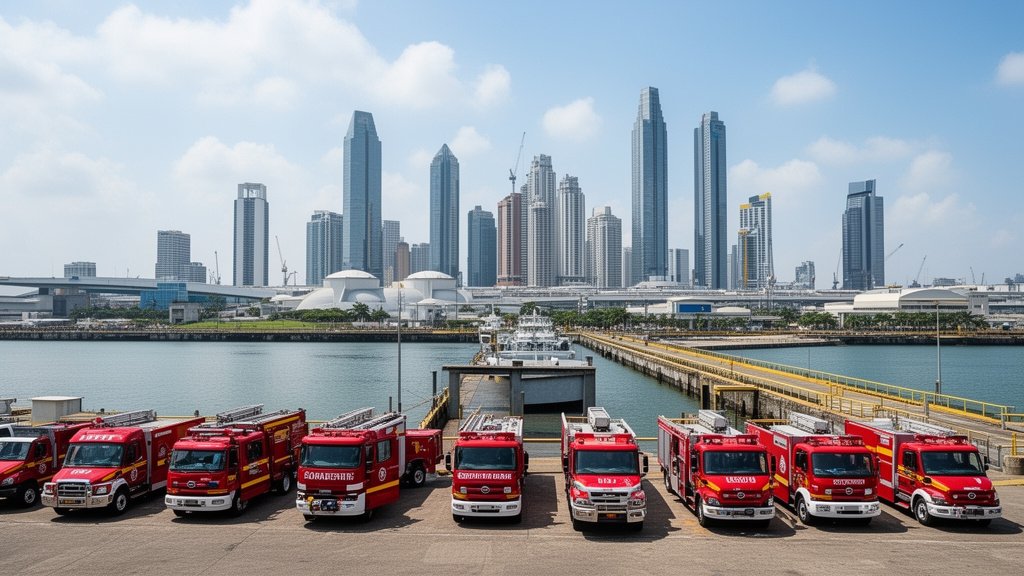
A: The event organizers are implementing a ‘hub-and-spoke’ transit model. Attendees will be directed to park at satellite locations and take shuttle services to the beach venue to prevent traffic gridlock. Strict security and environmental protocols will be enforced to protect the shoreline.
Q: Are there VIP or reserved seating options?
A: While the event is free and predominantly general admission, there will be limited ADA-compliant viewing areas and support for community partners. There is no official ‘VIP’ ticket tier for the beachside event.