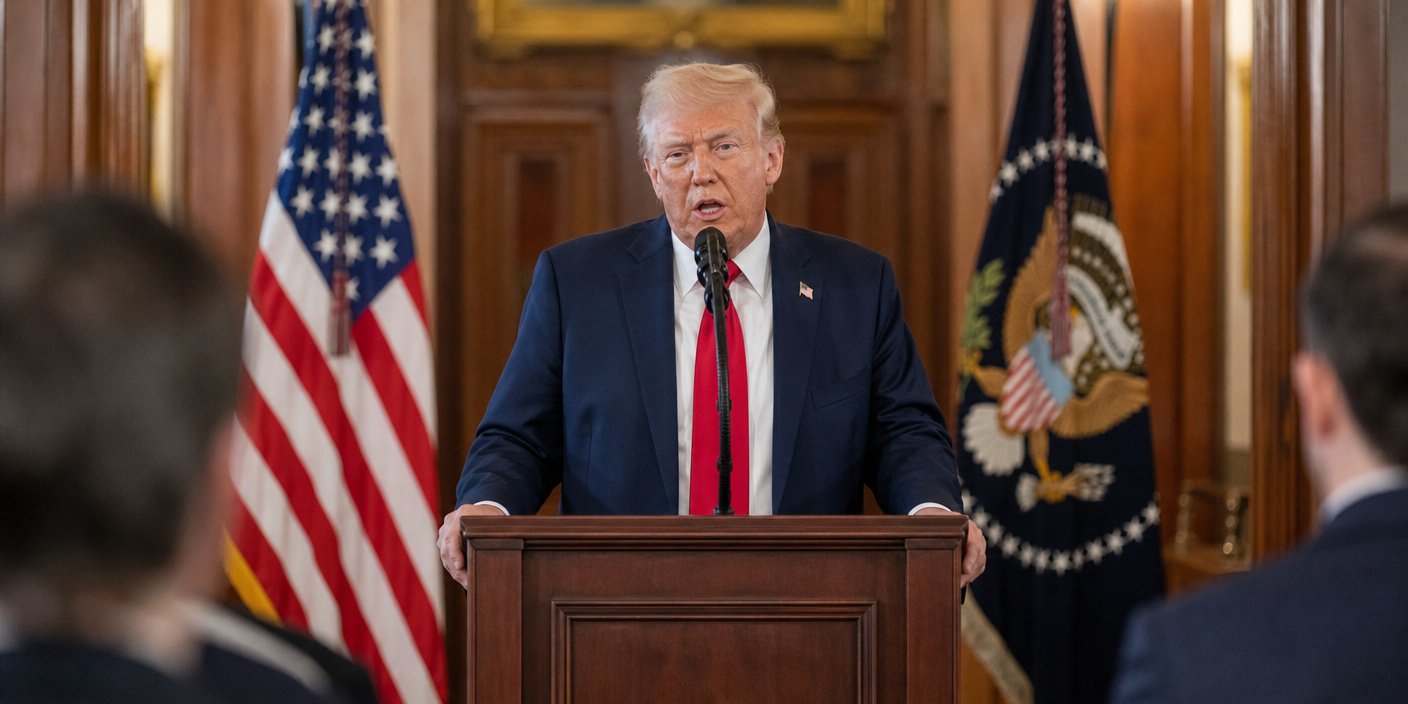
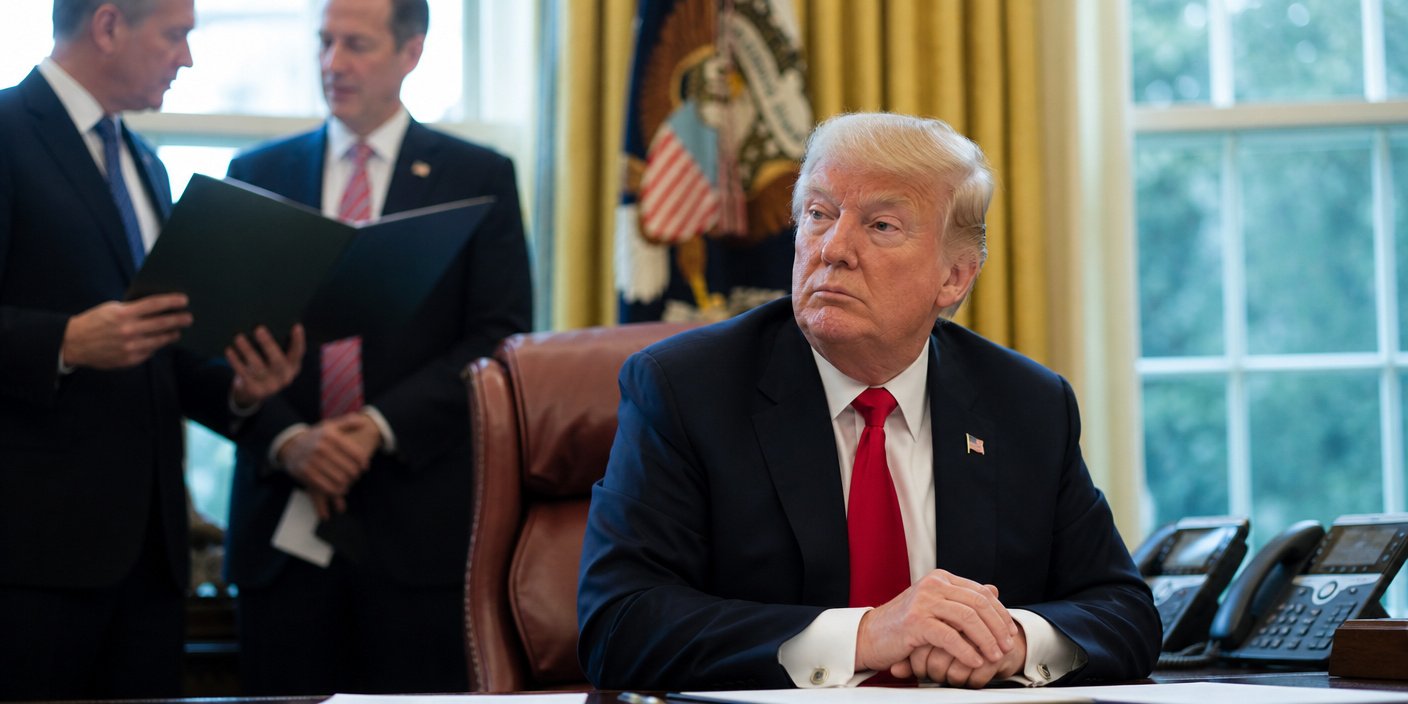
President Donald Trump has announced that intensive diplomatic negotiations regarding the status of the Strait of Hormuz are entering a critical phase, with a potential breakthrough expected as early as this Wednesday. This development follows a period of heightened regional volatility involving the United States and Iran, which has significantly impacted international maritime operations and energy supply chains. The administration’s latest update suggests that the proposed deal aims to formalize rules for safe passage, addressing concerns that have plagued one of the world’s most vital maritime corridors for months.
Key Highlights
- Targeted Resolution: Diplomatic teams are working toward a potential agreement regarding the Strait of Hormuz that could be announced by Wednesday.
- Strategic De-escalation: The deal aims to stabilize the region and ensure the continued, unhindered flow of global energy supplies.
- Economic Impact: A successful resolution is anticipated to provide immediate relief to global oil markets, which have been sensitive to the persistent geopolitical friction in the Persian Gulf.
Navigating the Geopolitical Tensions of the Persian Gulf
The Strait of Hormuz serves as the world’s most significant maritime petroleum chokepoint. With its narrowest point measuring only 21 miles wide, this strategic waterway facilitates the passage of approximately 21 million barrels of oil per day—representing roughly one-fifth of the total global petroleum consumption. Any disruption in this corridor, whether through military posturing, blockade, or administrative restriction, carries immediate and severe economic consequences for the international community.
The Mechanics of the Proposed Deal
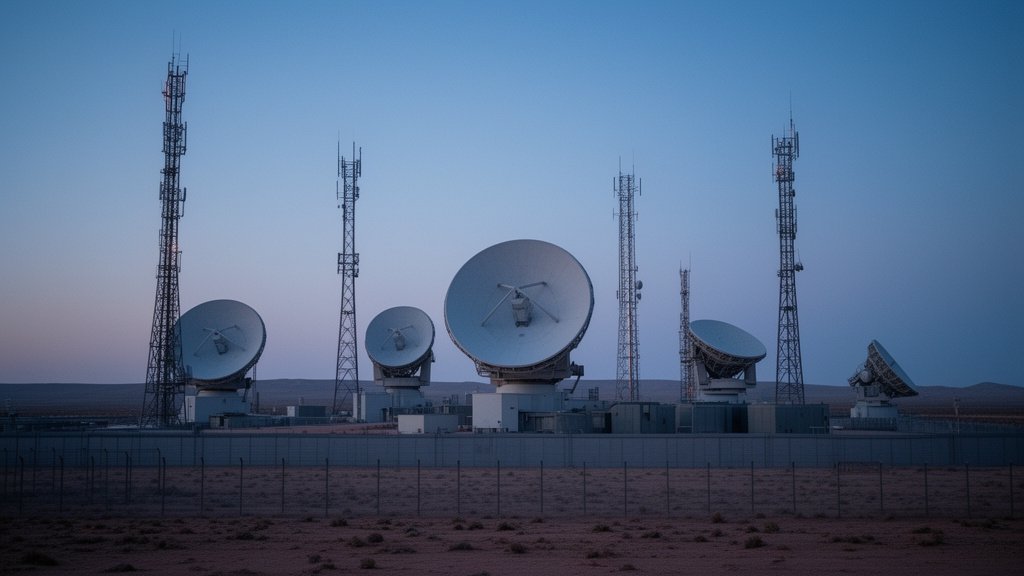
While specific terms of the deal remain under wraps, reports indicate that the negotiation focuses on establishing a new framework for transit compliance and maritime surveillance. The primary objective is to de-escalate the risk of accidental confrontation between the US Navy and Iranian forces, which have operated in close proximity for decades. By creating a clearer protocol for identifying commercial vessels and establishing communication channels, the administration hopes to mitigate the risk of seizure or harassment that has historically defined this volatile zone.
Economic Implications and Market Stability
Global energy markets are historically reactive to news emanating from the Strait. Brent Crude prices have frequently surged at the mere hint of transit disruption. Traders and shipping conglomerates are watching the Wednesday deadline closely. A finalized agreement could act as a ‘cooling mechanism’ for crude futures, potentially lowering shipping insurance premiums which have skyrocketed in recent months due to the threat of kinetic action. For the global economy, the stability of the Strait is not merely a regional issue; it is a fundamental requirement for the reliable supply of energy to markets in Asia, Europe, and the Americas.
A Historical Perspective on US-Iran Maritime Relations
The history of the Strait is a complex narrative of international law, regional sovereignty, and superpower projection. Since the 1980s, the US has maintained a consistent naval presence in the region, aimed at ensuring the free flow of commerce. This current diplomatic push by President Trump represents an effort to codify these security guarantees through negotiation rather than force. Previous attempts at similar accords have faced skepticism due to the divergent interests of neighboring states, including Saudi Arabia and the United Arab Emirates, both of which rely heavily on the Strait for their export revenues. The challenge for the administration lies in aligning these disparate regional goals with the broader objective of maintaining international maritime law.
Future Predictions and Compliance Challenges
Assuming a deal is reached by Wednesday, the immediate focus will shift to implementation and monitoring. Can a verbal or written agreement withstand the pressure of ongoing regional rivalries? The success of this initiative will likely depend on the willingness of all parties to adhere to the transparency protocols included in the agreement. If the deal holds, it could set a precedent for future diplomatic engagements in the region. Conversely, should the agreement fail to materialize or prove fragile, market volatility will likely return, forcing shipping companies to continue navigating under heightened security protocols.
FAQ: People Also Ask
1. Why is the Strait of Hormuz considered the world’s most important oil chokepoint?
It is the primary route for oil exports from the Middle East to global markets. Approximately one-fifth of the world’s daily petroleum consumption passes through this narrow channel, making it a critical artery for the global economy.
2. What happens if the Strait of Hormuz is closed?
If the Strait were fully closed, it would result in a massive supply shock. Alternative pipelines exist, but they have limited capacity. A closure would likely lead to a rapid spike in oil prices and cause widespread economic disruption across energy-importing nations.
3. What is the role of the US Navy in this region?
The US Navy maintains a constant presence in the Persian Gulf to deter hostile activity and ensure that international waters remain open for trade. Their operations include escorting commercial tankers and monitoring regional military movements.
4. How does this deal affect oil prices?
Markets thrive on certainty. By creating a formalized, predictable framework for passage, the deal aims to remove the ‘risk premium’ that is currently factored into oil prices, potentially leading to increased stability in the energy sector.