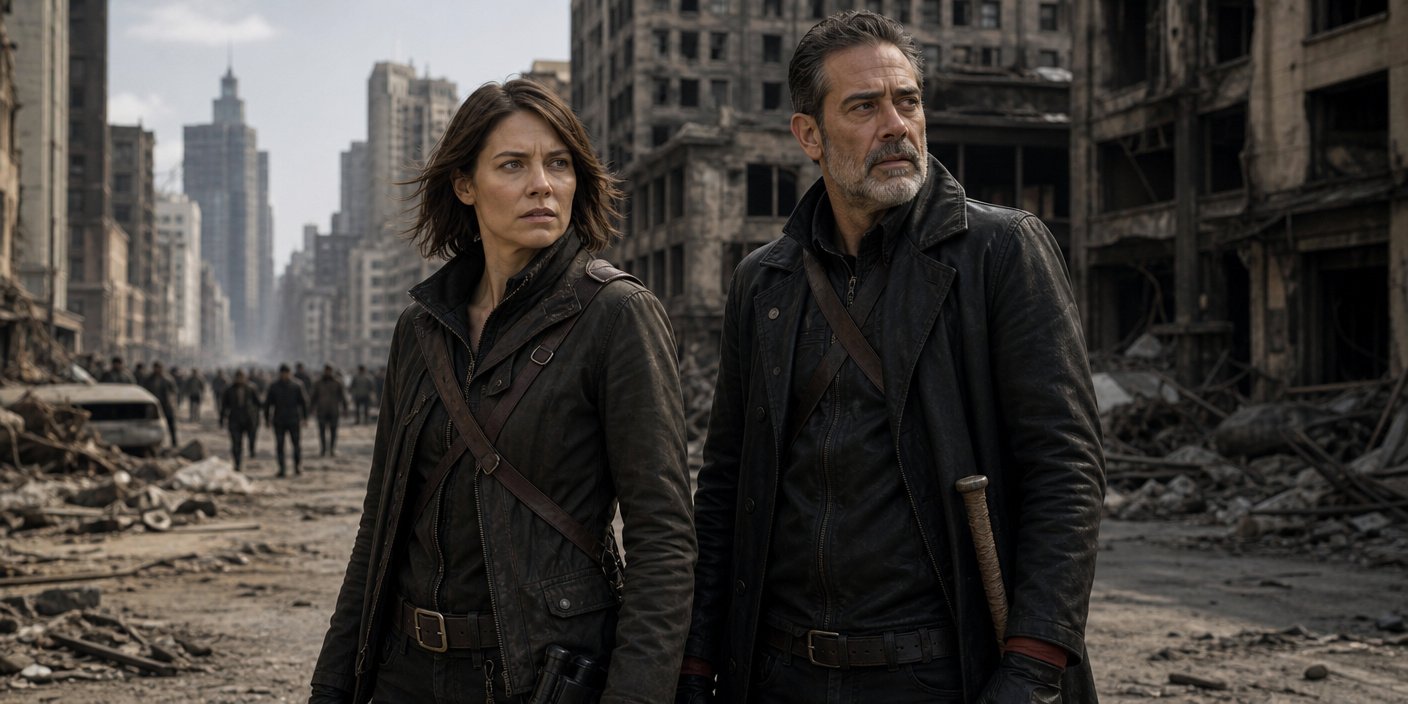
As the streaming wars enter a new era of consolidation and strategic bundling, viewers are faced with an embarrassment of riches this weekend. Leading the charge is the highly anticipated Season 3 premiere of AMC+’s ‘The Walking Dead: Dead City,’ which reunites audiences with the fractured alliance of Maggie Rhee, played by Lauren Cohan, and Negan Smith, portrayed by Jeffrey Dean Morgan. While the apocalyptic streets of Manhattan provide the backdrop for this week’s anchor release, the broader streaming landscape across platforms like Netflix, Hulu, and Apple TV+ offers a diverse array of counter-programming, ranging from high-octane thrillers to prestige character dramas. This guide dissects the top-tier releases, providing the context and insight necessary to curate your weekend entertainment queue effectively.
Key Highlights
- AMC+ Anchor Release: ‘The Walking Dead: Dead City’ Season 3 premieres, continuing the gritty saga of Maggie and Negan in a lawless post-apocalyptic New York.
- Cross-Platform Competition: Netflix and Hulu are countering the AMC+ juggernaut with new mystery-thriller series and indie film acquisitions.
- Streaming Ecosystem Shift: A trend analysis reveals how platform-exclusive content like the TWD universe is shifting from mass-market appeal to hyper-niche, loyal fan engagement.
- Subscription Strategy: Understanding how to utilize free trial windows and aggregator bundles to manage the rising costs of multiple premium streaming services.
The Manhattan Nightmare: Dead City Season 3 and the TWD Legacy
The return of ‘The Walking Dead: Dead City’ serves as a crucial case study in the longevity of intellectual property in the modern entertainment sector. AMC+ has successfully leveraged the original ‘The Walking Dead’ fanbase to anchor its premium subscription tier, a strategy that relies heavily on the chemistry between Lauren Cohan and Jeffrey Dean Morgan. In Season 3, the narrative stakes are higher than ever, shifting from the initial rescue mission of Season 1 to a deeper, more complex geopolitical exploration of the fractured factions remaining in the ruins of Manhattan.
For audiences, this release is not merely a show return; it is a retention mechanism for the AMC+ ecosystem. The showrunner’s ability to maintain high production values while navigating the constraints of a post-apocalyptic setting—often utilizing location shoots that blend urban decay with high-contrast cinematography—sets a benchmark for serialized television. Critics have noted that the show succeeds because it avoids the bloated ensemble cast fatigue that eventually hampered the flagship ‘The Walking Dead’ series, choosing instead to focus intently on the complex, morally grey dynamic between its two leads. This thematic focus on redemption and survival serves as a masterclass in spin-off execution, keeping the franchise relevant long after the original series concluded its record-breaking run.
The Streaming Landscape: Quantity vs. Quality
While AMC+ dominates the horror and thriller demographic this weekend, Netflix continues its ‘volume-first’ strategy. Our analysis of the current Netflix library additions reveals a heavy emphasis on international thrillers and true-crime documentaries. This is a deliberate algorithm-driven approach; Netflix identifies high-engagement clusters within user data to prioritize content that minimizes ‘time-to-play’—the metric measuring how quickly a user selects a show upon logging in. Unlike the weekly episodic drop structure of AMC+, Netflix’s all-at-once release model creates distinct cultural ‘watercooler’ moments that vanish quickly, encouraging rapid binge-watching rather than long-term sustained engagement.
Conversely, Apple TV+ has taken a diametrically opposite approach. By prioritizing prestige, big-budget original productions, Apple TV+ effectively positions itself as the ’boutique’ streaming service. This weekend, their offerings lean toward high-concept science fiction and character-driven dramas. The economic philosophy here is distinct: Apple uses its video service as a value-add to its hardware ecosystem rather than a primary revenue generator, allowing them to take creative risks that more ad-dependent streamers like Hulu might avoid.
The Future of Subscription Fatigue
We are currently witnessing the end of the ‘Golden Age of Streaming’ where everything was available under one or two banners. Consumers are increasingly reporting ‘subscription fatigue,’ a phenomenon where the proliferation of apps leads to decision paralysis. Data from industry analysts suggests that the average household now manages between 3.4 and 4.2 active streaming subscriptions. This has led to the rise of ‘bundled’ services, where platforms like Disney+, Hulu, and Max are collaborating to offer consolidated billing and content packages.
This shift is not just about price; it is about discoverability. As platforms become more crowded, the challenge for the consumer is finding quality content amidst the noise. The trend moving into the next fiscal quarter is ‘curated streaming,’ where viewers rely more heavily on critic-led aggregators and curated lists—like this one—rather than internal platform recommendation algorithms, which are often incentivized to push original, platform-owned content over third-party licensed library acquisitions.
Economic Impact and Cultural Resonance
The cultural impact of shows like ‘Dead City’ extends beyond the screen. The production spend for such high-quality genre television drives significant economic activity in filming hubs, including New Jersey and New York, where production tax credits have made these locations highly desirable for premium cable networks. Furthermore, the global distribution rights for these series remain one of the most lucrative assets for networks, creating a secondary revenue stream that sustains the development of future projects. As viewers decide what to watch this weekend, they are participating in a massive economic machine that balances the demand for high-budget spectacles with the changing habits of the modern digital consumer.
FAQ: People Also Ask
Q: Is ‘The Walking Dead: Dead City’ Season 3 the final season?
A: As of the current production schedule, AMC+ has not officially declared Season 3 as the final chapter, though creators have indicated they are treating the narrative arc with a sense of closure to ensure high-quality storytelling.
Q: Can I watch ‘Dead City’ if I haven’t seen the original ‘The Walking Dead’?
A: While the show provides some context, it is highly recommended to have a basic understanding of Negan and Maggie’s history from the original series to fully appreciate the emotional tension in ‘Dead City.’
Q: Why do some shows release all episodes at once while others are weekly?
A: It is a strategic choice. Weekly releases, like AMC’s, build long-term buzz and social media engagement over months. ‘Binge’ models, like Netflix’s, aim for immediate, massive spikes in viewership and ‘trending’ status on social platforms.
Q: How can I save money on these streaming services?
A: Look for annual billing options, which usually provide a 15-20% discount, or watch for promotional bundles through your mobile carrier or internet service provider, which often include free tiers or heavily discounted access.