The passing of the Tribunals Reforms Bill, 2021, by the Lok Sabha without a parliamentary debate represents a pivotal moment in Indian legislative history, raising critical questions about the balance of power between the executive branch and the judiciary. The legislation, introduced by Finance Minister Nirmala Sitharaman, was aimed at streamlining the tribunal system in India but drew immediate criticism for the manner in which it was enacted—bypassing the traditional deliberative processes essential to democratic governance. By dissolving various appellate bodies and consolidating powers, the government has fundamentally altered the landscape of dispute resolution across multiple sectors, ranging from cinema certification to intellectual property.
The Anatomy of the Legislative Bypass
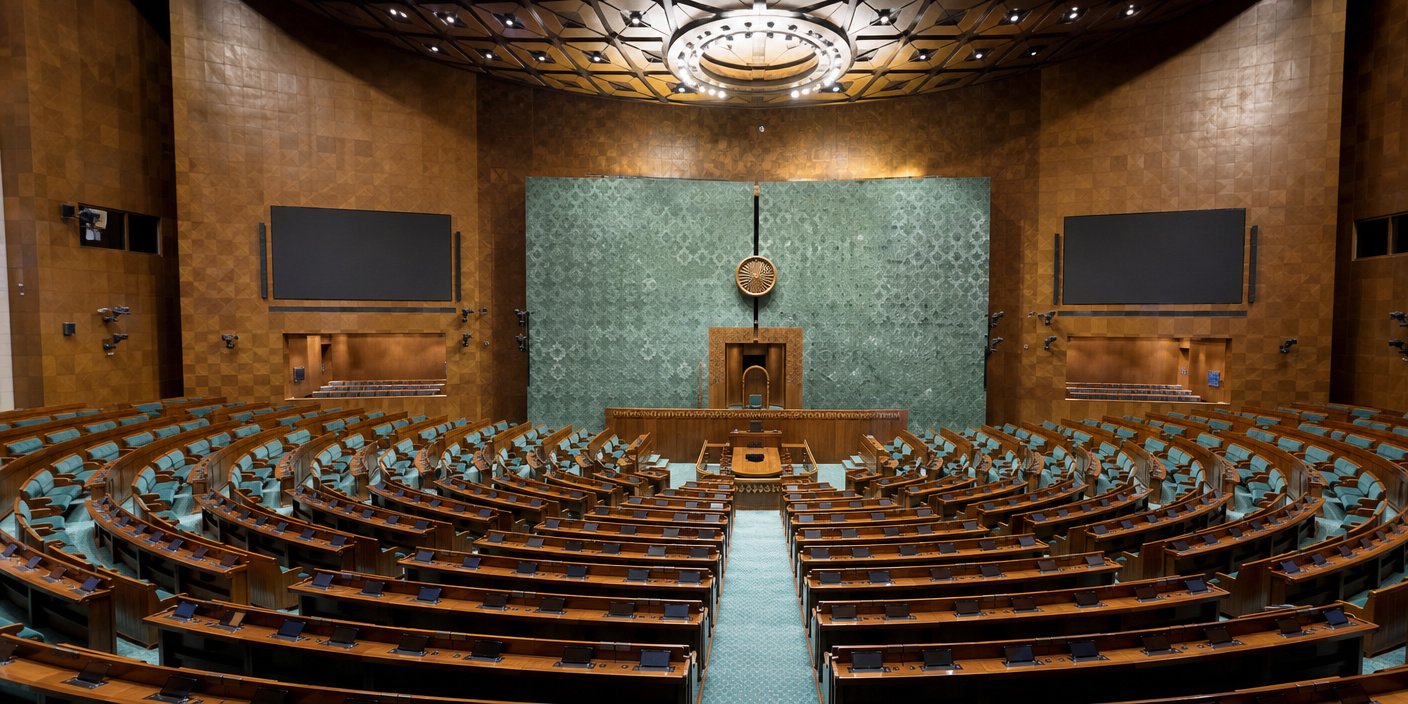
The legislative process surrounding the Tribunals Reforms Bill was marked by a distinct lack of deliberation. In the Lok Sabha, the bill was passed amidst chaotic scenes, with opposition members expressing vociferous protests over the Pegasus spyware controversy and other issues. Consequently, the bill was pushed through without the customary scrutiny of a Select Committee or a meaningful debate on the floor of the House. This “guillotine” approach to legislation—where bills are passed without debate due to time constraints or parliamentary disruptions—has become a recurring point of contention in Indian politics.
Legal experts argue that while procedural rules permit the passage of bills without debate, doing so with legislation that profoundly impacts the separation of powers is problematic. The Tribunals Reforms Act was designed to replace the Tribunals Reforms (Rationalisation and Conditions of Service) Ordinance, 2021. By converting the ordinance into an act without legislative discourse, the government effectively cemented changes that were previously subject to active judicial review by the Supreme Court of India.
Core Structural Changes and the ‘Tribunalization’ of Justice
The Act introduced significant changes to the conditions of service for members of various tribunals. One of the most controversial provisions was the fixed tenure of four years for tribunal members, a change that the Supreme Court had previously flagged as potentially unconstitutional. The legislation also introduced age limits (50 years for members and 50 years for chairpersons), a move critics argue restricts the pool of experienced legal professionals and retired judges eligible for these roles.
Furthermore, the Act abolished several appellate bodies, such as the Film Certification Appellate Tribunal (FCAT), the Intellectual Property Appellate Board (IPAB), and the Plant Varieties Protection Appellate Tribunal. The powers of these bodies were transferred to existing judicial entities like High Courts or Commercial Courts. The government argued this was necessary to reduce the burden on the exchequer and streamline administrative efficiency. However, stakeholders in the creative and intellectual property sectors expressed deep concern, fearing that moving these specialized disputes to overburdened High Courts would lead to increased litigation backlogs and decreased expertise in specialized rulings.
The Clash Between Executive and Judiciary
The Tribunals Reforms Act set the stage for a constitutional standoff between the Parliament and the Supreme Court. The judiciary, led by observations in the Madras Bar Association v. Union of India (2021) case, had consistently advocated for stronger safeguards regarding the independence of tribunals. The Supreme Court had explicitly advised against tenure lengths and search-cum-selection committees that were heavily skewed toward the executive branch.
Despite these judicial nudges, the Tribunals Reforms Act retained features that the Court found objectionable, specifically those related to the influence of the executive in the selection process. Legal scholars emphasize that tribunals were originally envisioned as specialized forums designed to provide swift justice, distinct from the rigid procedural frameworks of traditional courts. By exerting greater executive control over appointments and tenures, critics argue the government risks undermining the very independence that makes these tribunals effective, turning them into mere extensions of the bureaucracy.
Secondary Angles: Implications for the Future
1. Access to Justice: The closure of specialized appellate boards like the FCAT forces filmmakers and creators to approach High Courts. While technically a judicial forum, the cost and time associated with High Court litigation are significantly higher. This shift may effectively create a barrier to entry for smaller creators, potentially chilling free speech and artistic dissent.
2. The ‘Search-cum-Selection’ Committee Dynamics: The act solidified the role of the search-cum-selection committee, which includes government secretaries. The concern here is that the executive is effectively judging itself in disputes where it is often a party. This creates a structural conflict of interest that continues to be a subject of ongoing legal challenges in the Supreme Court.
3. The Long-term Impact on Judicial Efficiency: While the government maintains that rationalizing tribunals reduces government expenditure and administrative redundancy, the long-term impact on the judicial backlog remains to be seen. If the High Courts cannot absorb the caseload vacated by abolished tribunals, the entire legal system faces a potential bottleneck, which may counteract the efficiency goals the legislation claimed to pursue.
FAQ: People Also Ask
Q: Why was the Tribunals Reforms Bill passed without debate?
A: The bill was passed during a session characterized by intense political disruptions and protests in the Lok Sabha. The government utilized standard parliamentary procedures to push the legislation through, citing the need to replace an existing ordinance that was nearing its expiry.
Q: Which major bodies were abolished under this Act?
A: The Act abolished several bodies, including the Film Certification Appellate Tribunal (FCAT), the Intellectual Property Appellate Board (IPAB), and the Plant Varieties Protection Appellate Tribunal.
Q: What is the main criticism regarding judicial independence?
A: Critics argue that the Act grants the executive branch too much control over the appointment and tenure of tribunal members, which potentially compromises the impartiality required for quasi-judicial bodies to function effectively.
Q: Did the Supreme Court challenge this legislation?
A: Yes. The Supreme Court of India has been involved in several rounds of litigation regarding tribunal rules. The court has repeatedly struck down provisions that infringe upon the separation of powers, and the government’s enactment of the 2021 law was seen by many as a direct rebuttal to the Court’s previous directives.