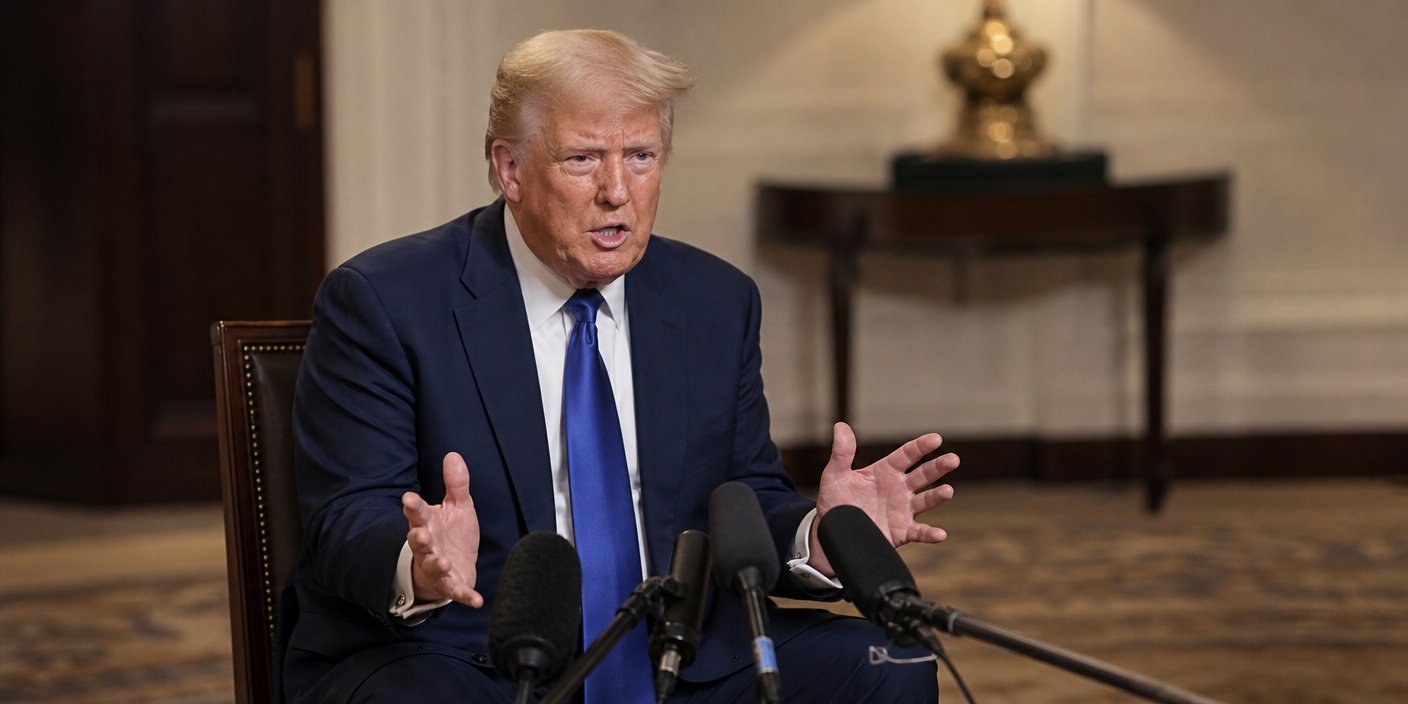
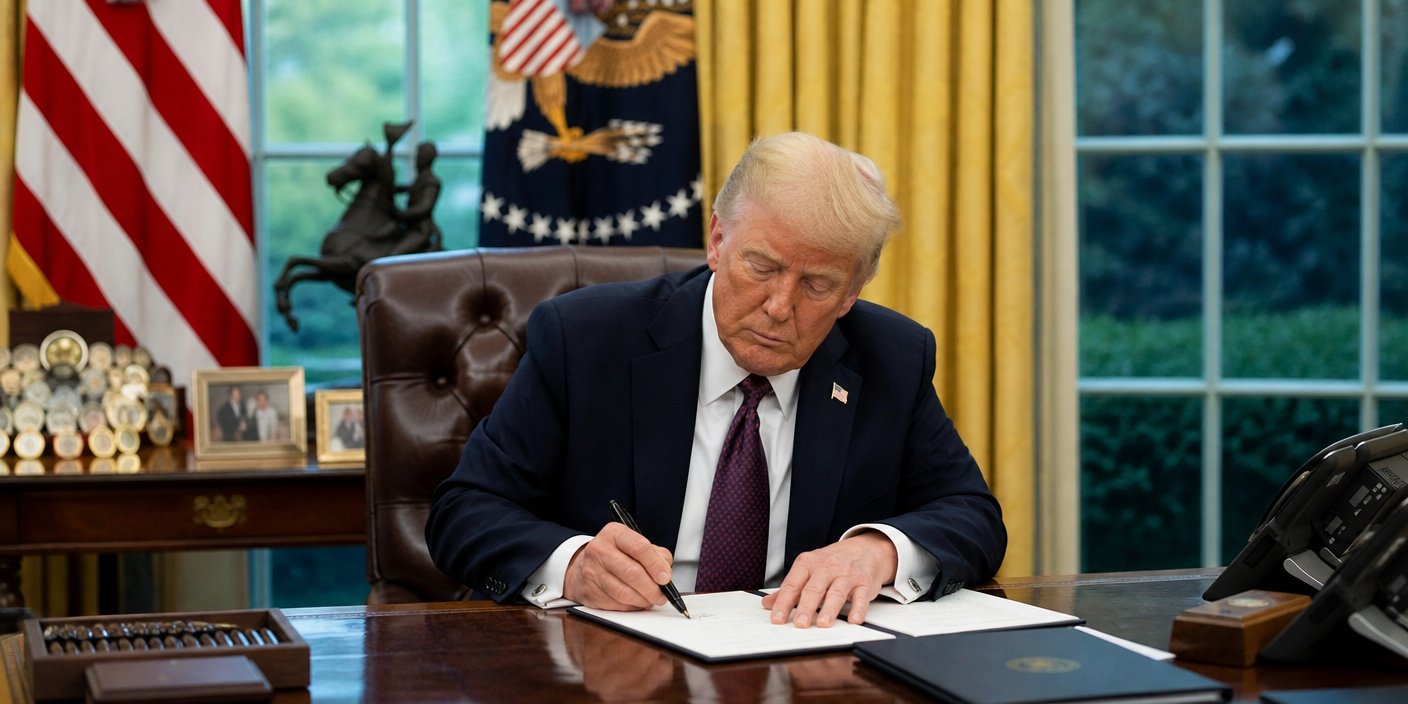
President Donald Trump has issued a new executive order mandating a fundamental shift in federal childhood immunization recommendations, directing the Department of Health and Human Services (HHS) to initiate a comprehensive review and revision of the current childhood vaccine schedule. The directive specifically encourages the implementation of a ‘spaced-out’ strategy for pediatric immunizations, emphasizing the separation of combination vaccines, such as the MMR (Measles, Mumps, and Rubella) vaccine, into individual medical visits. This executive action marks a significant departure from current federal guidelines and is expected to ignite a nationwide debate over the mechanics of public health policy versus parental choice in pediatric medicine.
Key Highlights
- Executive Mandate: The order instructs HHS to overhaul current federal recommendations for childhood vaccinations, moving away from current standard practices.
- Spacing Strategy: The core focus of the policy is to increase the duration between vaccine administrations, specifically advocating for a spaced-out schedule to potentially reduce the cumulative load of immunizations in a single visit.
- MMR Separation: The policy explicitly highlights the separation of the combined MMR (Measles, Mumps, and Rubella) vaccine as a primary objective of the new guidelines.
- Review Period: Federal agencies have been directed to begin the restructuring process immediately, with a focus on balancing community immunity with individualized, staggered care plans.
Reshaping the Federal Vaccine Schedule: Policy and Strategy
The executive order signed by President Trump represents a major pivot in the federal approach to pediatric healthcare. By targeting the existing structure of the immunization schedule—which has been largely standardized by the Centers for Disease Control and Prevention (CDC) for decades—this move forces a re-evaluation of how public health data is interpreted and implemented at the clinical level.
The Mechanics of ‘Spacing Out’ Doses
At the heart of the directive is the concept of a spaced-out vaccine schedule. Proponents of this approach argue that the current childhood immunization schedule, which often involves multiple injections administered during a single pediatric well-visit, creates an unnecessary burden on a child’s developing immune system. By spreading these doses out over a more extended timeframe, advocates believe families can achieve better adherence to immunization goals without the psychological and physical strain associated with administering multiple shots in a single session. The executive order specifically tasks the HHS with defining the technical framework for this ‘staggered’ approach, which could involve more frequent, but less intensive, clinic visits.
Targeting the MMR Combination
The inclusion of the MMR vaccine in this directive is particularly notable. The MMR vaccine, which protects against measles, mumps, and rubella, is a cornerstone of the current public health strategy, designed to ensure high levels of immunity against highly contagious diseases. The executive order calls for the decoupling of these components, allowing for, or potentially requiring, the administration of these vaccines as separate, individual shots. This move is designed to provide parents with more autonomy and specificity regarding their children’s medical interventions, though it raises questions about the logistical challenges for pediatricians who will need to recalibrate their office workflows and inventory management to accommodate this separation.
Clinical and Regulatory Implications
This policy shift places the CDC and the Advisory Committee on Immunization Practices (ACIP) in a unique position. For years, these bodies have operated under the consensus that combined vaccines are safe, effective, and crucial for ensuring that children complete their series on time. Moving to a separated schedule will require new clinical research and updated guidelines that ensure public health outcomes, such as herd immunity, are not negatively impacted. The challenge for the medical establishment will be to implement these new directives while maintaining the rigor that has historically been applied to childhood immunization success.
Secondary Perspectives: Context and Future Outlook
To understand the full scope of this policy, it is necessary to look beyond the immediate political headlines and analyze the structural and social underpinnings of the decision.
Historical Evolution of the Schedule
Historically, the vaccine schedule has evolved based on technological advancements in medicine. The move toward combination vaccines was largely driven by the goal of maximizing coverage—if you can protect a child against three diseases with one visit, you increase the likelihood of full protection. This new order essentially seeks to reverse that trend in favor of a ‘slower’ approach, challenging the notion that ‘more in one visit’ is the optimal gold standard.
Economic and Logistical Impacts on Pediatric Practices
Pediatric practices across the country may face significant logistical adjustments. The current system is optimized for bulk ordering and streamlined well-visit workflows. Separating vaccines will likely increase the number of required visits, which may impose new time and financial costs on families, as well as operational strain on clinics. The HHS will likely need to address these burdens as it drafts the new recommendations.
The Future of Community Immunity
Perhaps the most debated aspect of this policy is the potential impact on public health metrics. Experts in infectious diseases often emphasize that the current schedule is tightly calibrated to ensure children are protected precisely when they are most vulnerable to specific diseases. If a shift to a spaced-out schedule leads to an increase in ‘gaps’ in immunization coverage—where children miss or delay subsequent doses—it could lead to a decline in overall population immunity. The administration’s forthcoming guidelines will need to demonstrate how they intend to mitigate these risks while accommodating the desire for a staggered schedule.
FAQ: People Also Ask
Q: What is the primary goal of the new executive order on childhood vaccines?
A: The executive order directs the government to restructure childhood vaccine recommendations, focusing on a ‘spaced-out’ schedule to avoid administering multiple vaccines in a single visit.
Q: Will the MMR vaccine still be available?
A: Yes, the order does not ban the vaccine; rather, it mandates that the government explore guidelines to separate the components, allowing for them to be administered individually.
Q: How does this change affect the CDC’s role?
A: The CDC will be required to work under the new HHS directive to rewrite and update the federal childhood immunization schedule to reflect these changes in policy.
Q: Are there risks associated with spacing out vaccines?
A: Medical professionals often argue that delays in vaccination can leave children vulnerable to disease for longer periods. The implementation phase of this policy will likely involve significant study into maintaining protection levels during a staggered schedule.