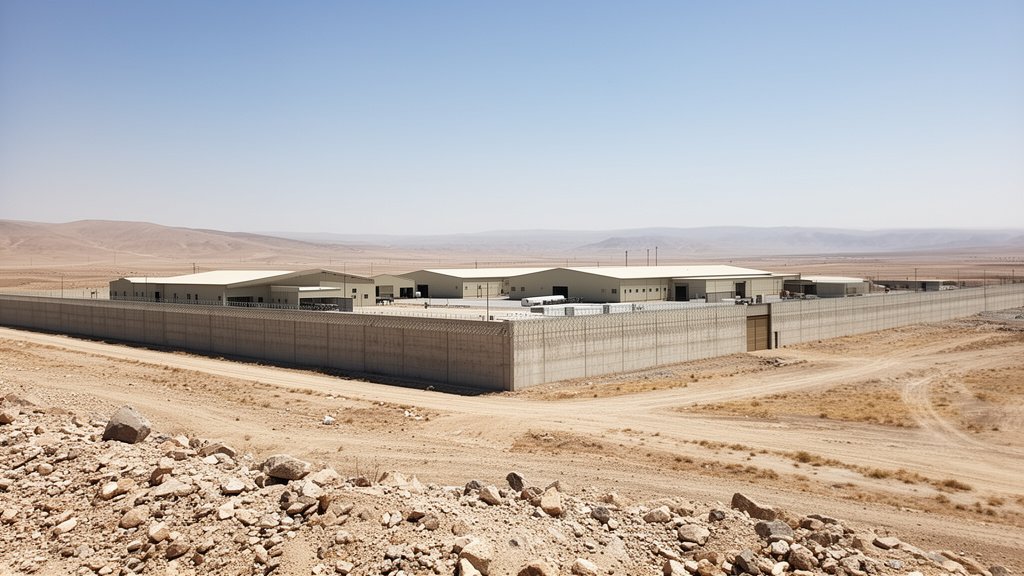
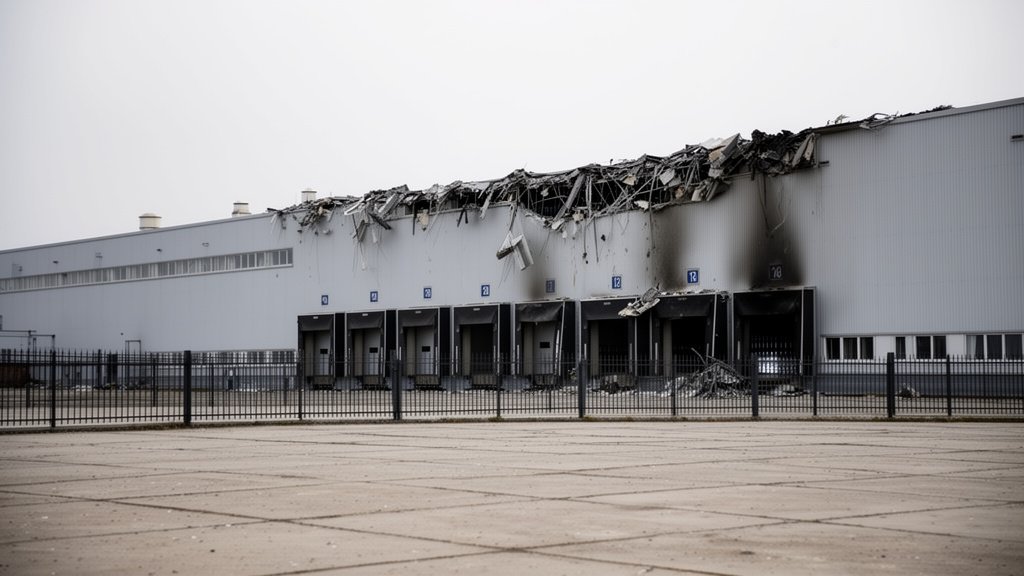
In a pointed address to the international community, President Volodymyr Zelensky confirmed that a Russian drone strike successfully targeted a Coca-Cola HBC bottling plant in the Kyiv region, specifically situated near the town of Velyka Dymerka. The strike, occurring amidst a larger barrage of aerial attacks, serves as a stark reminder that the conflict has shifted beyond frontline military installations to include the very infrastructure that sustains the Ukrainian economy. As the region grapples with the aftermath, the incident has sparked widespread condemnation and renewed debates regarding the strategic targeting of multinational corporate assets during wartime.
Key Highlights
- Target Confirmed: President Zelensky officially linked the Russian drone campaign to the damage sustained at the Coca-Cola HBC bottling plant in the Kyiv region.
- Industrial Escalation: The strike highlights a broadening scope of Russian targeting, shifting from energy grids to critical food and beverage supply chains.
- Economic Impact: The facility is a major local employer and a key taxpayer, making it a symbolic and functional target for degrading regional economic resilience.
- Operational Status: Coca-Cola HBC has stated it is assessing damages, with safety protocols activated to protect personnel.
The Strategic War on Industry and Commerce
The recent attack on the Coca-Cola bottling plant is not an isolated incident; it represents a calculated evolution in how the Russian military approaches aerial warfare in Ukraine. By expanding the target list to include major international brands and regional production hubs, the conflict has fundamentally moved away from purely military geography. The Velyka Dymerka facility, a critical component of Coca-Cola HBC’s regional logistics, is now a focal point of the ongoing security conversation.
The Anatomy of the Strike
According to local reports and official statements, the facility was struck during a late-night drone bombardment. The Russian Federation utilized a variety of loitering munitions—specifically Iranian-designed Shahed drones—which are frequently deployed to overwhelm air defense systems. The impact caused significant structural damage to the warehouse and production zones of the plant. Unlike precision-guided missile strikes, the use of a drone swarm suggests an intent to saturate the area, with the bottling plant appearing to be a high-value industrial target within the saturation zone.
This incident provides a case study in modern economic warfare. By destroying the manufacturing capabilities of major firms like Coca-Cola HBC, the aggressor aims to accomplish two objectives: first, to signal to foreign investors that no assets in Ukraine are safe, and second, to disrupt the local tax base that sustains the Ukrainian government’s internal operations. This “de-industrialization” strategy seeks to bleed the Ukrainian economy of its remaining vitality.
Coca-Cola HBC and Regional Resilience
Coca-Cola HBC (Hellenic Bottling Company) has maintained a long-standing presence in Ukraine. The plant in question is more than just a production line; it is a symbol of Western corporate integration within the Ukrainian economy. Following the 2022 invasion, many multinationals withdrew from the region, but firms like Coca-Cola HBC attempted to maintain operations to support local employment and the national economy.
The strike places the company in an impossible position: continue operations under the threat of potential kinetic strikes or cease production entirely, which would result in significant job losses in the Kyiv region. For the employees and the local community, the plant is a critical lifeline. Zelensky’s focus on this specific target during his briefing underscores the government’s concern that the loss of such infrastructure could lead to a cascading effect on regional stability.
Historical Context: From Energy to Commerce
Earlier in the conflict, Russian aerial campaigns were laser-focused on the Ukrainian power grid. The goal was to render the country uninhabitable during winter months. However, as Ukraine fortified its air defenses—thanks to the deployment of Patriot and NASAMS systems—the Russian military was forced to adjust its tactics.
By targeting light industrial sites, the aggressor is testing the limits of Ukrainian air defense density. Kyiv cannot protect every warehouse, factory, and logistics hub simultaneously. When a facility as recognizable as a Coca-Cola plant is hit, it generates international headlines, effectively creating a psychological pressure campaign alongside the material destruction. This is not just about the loss of bottling equipment; it is about demonstrating the vulnerability of any civilian structure, regardless of its global brand affiliation.
The Future of Economic Reconstruction
Looking ahead, the incident at the Coca-Cola plant raises difficult questions about the future of reconstruction. If international corporations cannot guarantee the safety of their facilities, foreign direct investment (FDI) into Ukraine will remain stunted. Zelensky and his administration are currently pushing for increased air defense support specifically to protect industrial zones, not just urban centers or military bases.
The path to recovery requires a dual-track approach: on the ground, businesses need physical protection and reliable insurance policies; at the diplomatic level, Ukraine needs to argue that these attacks constitute war crimes against the economic livelihood of a nation. As this conflict continues, the protection of commercial infrastructure will become as critical as the protection of territory.
FAQ: People Also Ask
Q: Was the Coca-Cola plant attack a targeted or accidental hit?
A: According to Ukrainian officials, the attack was part of a broader drone barrage targeting civilian and industrial infrastructure, suggesting it was part of a deliberate campaign to disrupt the Ukrainian economy rather than an accidental strike.
Q: How does this affect Coca-Cola’s operations in Ukraine?
A: Coca-Cola HBC has stated they are conducting a damage assessment. The company has prioritized employee safety and is navigating complex operational challenges to maintain supply chains while operating in a war zone.
Q: Why would Russia target a bottling plant?
A: Analysts suggest this is a form of economic warfare. Targeting major industrial sites lowers the country’s tax revenue, disrupts local employment, and sends a warning to foreign investors about the risks of remaining in Ukraine.
Q: Is this the first time a major brand’s facility has been hit in Ukraine?
A: No. Since 2022, various foreign and domestic industrial sites have been damaged or destroyed by Russian strikes, part of a pattern of attacking critical civilian and economic infrastructure.