A catastrophic industrial accident shattered the morning silence in Viacha, Bolivia, on September 4, 2026, when two separate explosions tore through a regional military barracks. The blasts, which occurred in rapid succession, have claimed the lives of at least 10 individuals and resulted in dozens of casualties, plunging the local community and the Bolivian armed forces into a state of mourning and intense scrutiny. Emergency response teams were immediately deployed to the site, struggling to navigate the volatile conditions of the facility as they worked to transport the wounded to nearby medical centers.
Key Highlights
- Casualty Count: At least 10 confirmed fatalities have been reported following the dual explosions at the Viacha military installation.
- Medical Impact: Local health director Rita Nebraska confirmed that 62 injured individuals were transported to regional hospitals, with many listed in critical condition.
- Incident Timing: The disaster unfolded on September 4, 2026, with the rapid succession of two distinct blasts.
- Investigation: Military officials and civilian authorities have launched an immediate inquiry into the cause of the explosions, focusing on storage protocols and structural integrity.
The Viacha Tragedy: Unpacking the Military Base Disaster
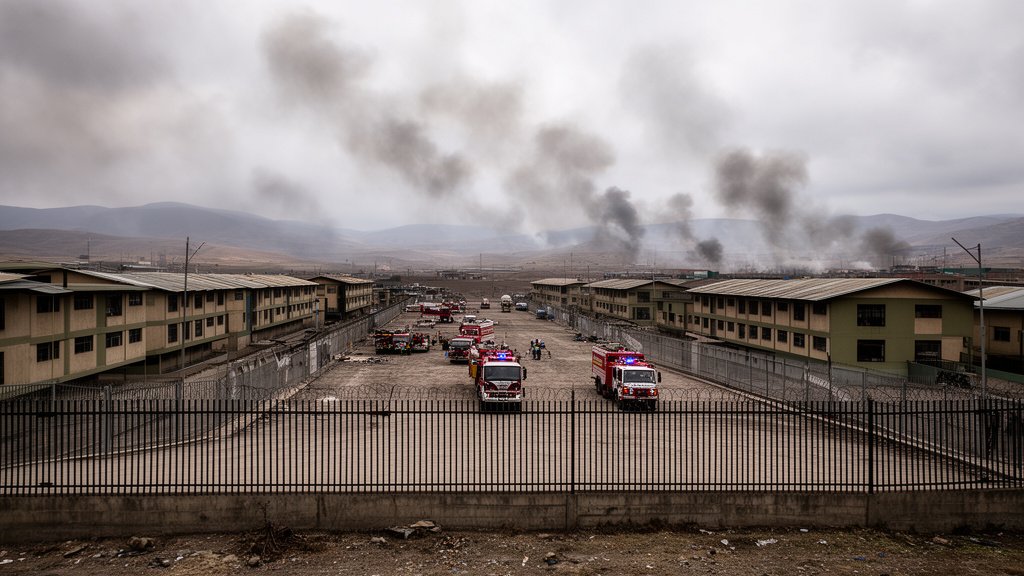
The events of September 4, 2026, represent one of the most significant security failures in recent Bolivian history. The explosions, which originated from within the Viacha military barracks, were reportedly heard for miles, sending plumes of smoke into the sky and triggering a massive emergency response from both military and civilian agencies. As investigators begin to comb through the wreckage, the immediate focus remains on identifying the victims and stabilizing those who survived the initial impact.
The Sequence of the Explosions
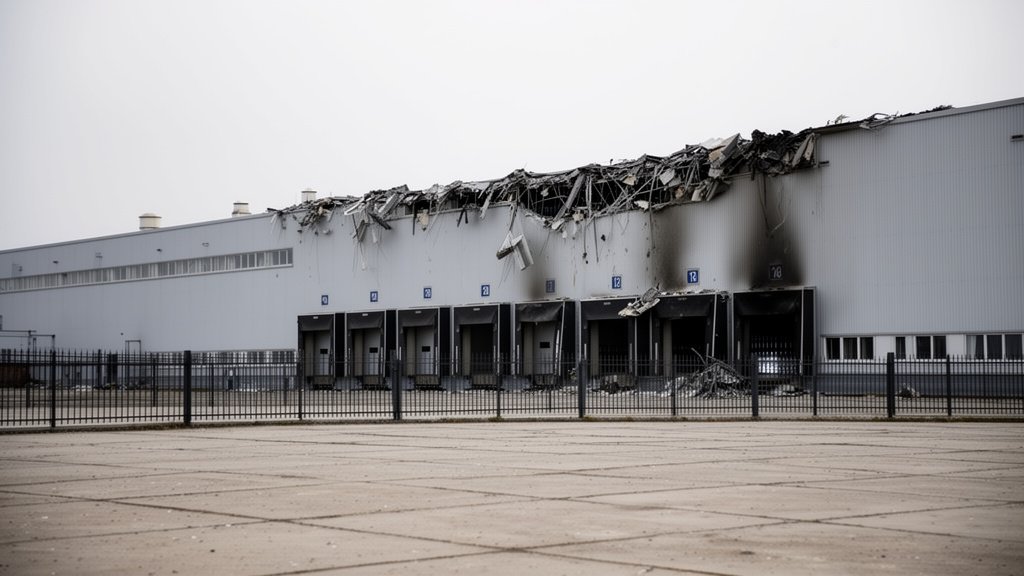
According to early reports from the scene, the disaster did not happen in a single instant. Instead, witnesses described a primary blast that rocked the facility, followed shortly by a secondary, more forceful explosion. This sequence suggests that the initial ignition—potentially caused by improper storage or a technical malfunction—likely led to a chain reaction involving larger stockpiles of ammunition or ordnance stored on-site. The structural damage to the primary barracks building was extensive, creating a dangerous environment for the emergency teams that arrived shortly after the incident.
Emergency Response and Medical Crisis
The scale of the disaster quickly overwhelmed the immediate local medical infrastructure. Rita Nebraska, the Health Director overseeing the emergency response, confirmed the gravity of the situation in a press briefing late in the day. She reported that 62 people were transported to various hospitals in the Viacha area and nearby districts. “We are mobilizing every available resource to manage the influx of patients,” Nebraska noted, emphasizing the complexity of treating injuries consistent with high-pressure blasts, which often include traumatic burns, crush injuries, and shrapnel-related trauma. The coordination between the military medical corps and civilian first responders became the critical lifeline in the hours following the second blast.
Examining Safety and Infrastructure Standards
In the wake of such a tragedy, questions regarding the safety protocols of military installations have taken center stage. This incident forces a broader conversation regarding how ammunition and hazardous materials are stored in populated areas like Viacha. Military experts and civilian safety advocates are already calling for a comprehensive review of the physical infrastructure of older barracks. The primary concern is whether existing safety buffers were sufficient to handle an event of this magnitude and whether personnel training was adequate to mitigate such risks. This secondary angle is crucial, as the public demands accountability for the storage conditions that led to such a catastrophic failure of security.
The Human and Economic Toll
Beyond the raw statistics of the injured and deceased, the impact on the local Viacha community is profound. Military barracks are often deeply integrated into the local social and economic fabric of smaller Bolivian towns. The loss of life includes both active-duty personnel and support staff, leaving a vacuum of leadership and community presence. Furthermore, the economic disruption caused by the closure of the base and the subsequent investigation will be felt by local businesses that rely on the base for daily commerce. Analysts suggest that the recovery process for Viacha will be long, necessitating not just physical reconstruction but psychological support for the families and the wider public.
Future Outlook: Accountability and Reform
As the dust settles, the focus of the administration will inevitably shift toward accountability. A formal, independent investigation is expected to be launched by the Bolivian Ministry of Defense to determine if negligence played a role in the storage of the ordnance. The findings of this investigation will likely serve as the catalyst for sweeping reforms in military safety standards across the country. Whether these reforms involve moving ammunition depots further from urban centers or implementing strictly modernized, digital monitoring systems, the disaster in Viacha has made it clear that the status quo is no longer tenable.
FAQ: People Also Ask
Q: What caused the explosions at the Viacha military barracks?
A: While the official investigation is ongoing, preliminary assessments suggest a failure in ammunition storage protocols led to a secondary, larger explosion. The investigation is currently reviewing maintenance logs and safety procedures.
Q: How many people were affected by the incident?
A: According to health director Rita Nebraska, at least 10 people were killed in the incident, and 62 individuals were transported to regional hospitals for medical treatment.
Q: Will there be a nationwide safety review of military bases in Bolivia?
A: Yes, following the tragedy, government officials have indicated that a comprehensive safety audit of all military facilities will be conducted to ensure that storage standards are met and to prevent future occurrences of this nature.
Q: Is the site in Viacha currently secure?
A: Security forces have cordoned off the area around the military base to prevent unauthorized access and to allow investigators to safely collect evidence from the blast site.