
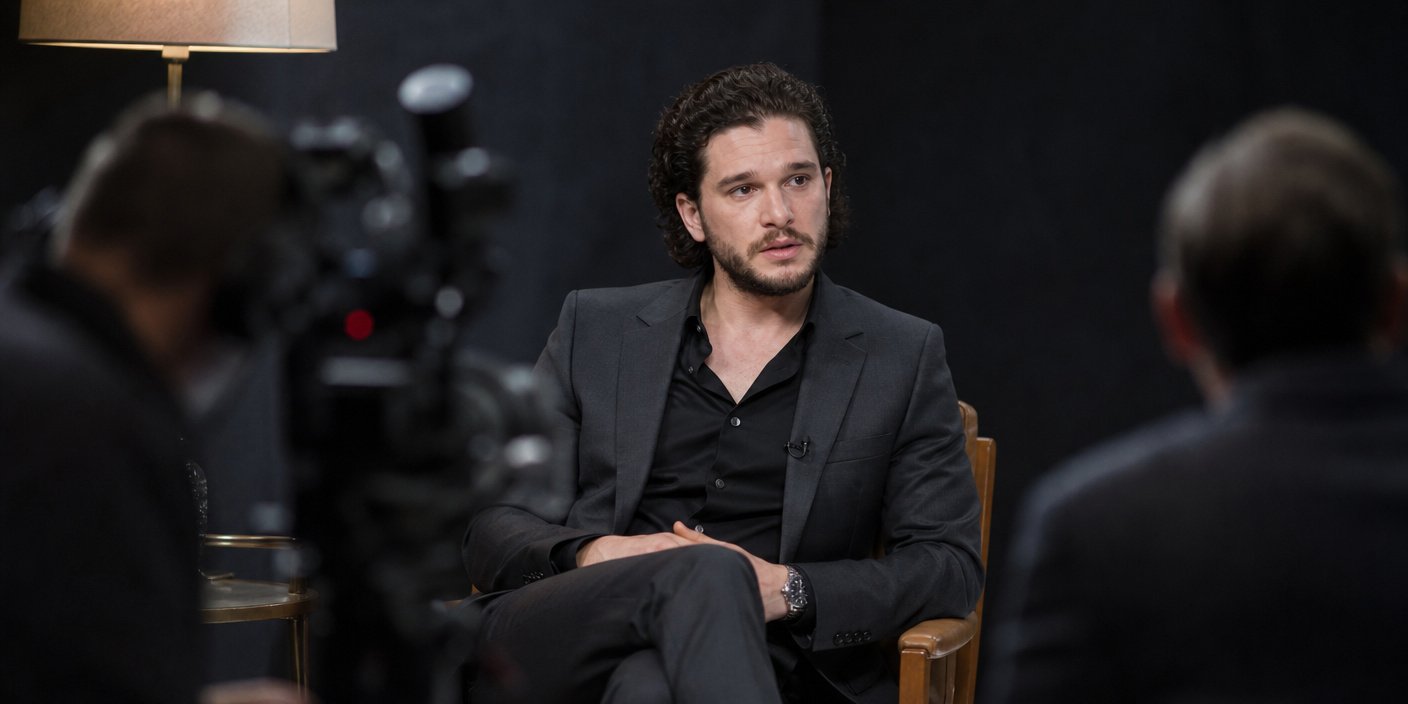
In a bold pivot for prestige television, MGM+ has officially greenlit a four-part miniseries adaptation of Charles Dickens’ seminal work, A Tale of Two Cities, featuring Kit Harington in the iconic role of Sydney Carton. This production marks the first major 21st-century screen interpretation of the classic, promising a gritty, high-stakes exploration of the duality between London and Paris during the French Revolution. By anchoring the narrative with Harington—an actor renowned for his portrayal of stoic, complex protagonists—the network is signaling a move toward character-driven literary drama that challenges the limitations of historical period pieces.
The Resurrection of Sydney Carton
For audiences, the casting of Kit Harington as Sydney Carton represents a calculated risk that could redefine his post-Game of Thrones career. Carton, arguably Dickens’ most tragic and redemption-seeking character, offers a stark departure from the traditional archetypal hero. Unlike the stalwart characters of typical television dramas, Carton is characterized by his cynicism, self-loathing, and eventual, profound act of self-sacrifice. Harington’s ability to project vulnerability behind a mask of indifference—a skill honed during his years navigating the political intrigue of Westeros—makes him a compelling choice for the cynical barrister who finds himself caught in the brutal upheaval of the late 18th century.
Re-imagining the French Revolution for Modern Times
Adapting a Victorian masterpiece for a modern streaming audience requires more than just high-production value; it demands a thematic resonance that bridges the gap between 1859 and the present day. The show’s writers are tasked with capturing the “worst of times” described by Dickens, which in the current cultural climate, feels eerily familiar. The adaptation is expected to lean heavily into the political instability and class warfare that defined the Reign of Terror, mirroring contemporary anxieties about societal fracturing. By focusing on the structural inequality of pre-revolutionary France, the series aims to do more than just recount history; it seeks to critique the cyclical nature of authoritarianism and social despair, turning the lens on the human cost of political fervor.
MGM+ and the Streaming Prestige Strategy
MGM+ (formerly Epix) has been steadily constructing a brand identity built on elevated genre storytelling. Securing a project of this magnitude—a literary adaptation with global name recognition and A-list talent—is a strategic play in the ongoing streaming wars. While platforms like Netflix and HBO frequently cycle through historical dramas, MGM+ is positioning this series as a “prestige event,” utilizing a limited four-part format that suggests a more cinematic, condensed viewing experience rather than the bloated, multi-season arcs that have become standard in streaming. This approach allows for a singular, coherent creative vision, likely overseen by a focused directorial team dedicated to maintaining the atmospheric tension of the source material.
The Literary Challenge: Balancing Tone and Pace
Perhaps the greatest hurdle for this adaptation will be the pacing of Dickens’ prose. A Tale of Two Cities is famously dense, laden with complex subplotting and slow-burn character development. The decision to condense the narrative into a four-part series suggests a deviation from a literal page-to-screen translation in favor of a thematic distillation. Viewers can expect a narrative that favors psychological depth over episodic filler, keeping the focus tightly locked on the interconnected lives of Lucie Manette, Charles Darnay, and the shadow-dwelling Sydney Carton. The success of the project will hinge on how effectively the showrunners can modernize the Victorian dialogue without stripping away the poetic gravity that made the original text a masterpiece.
Secondary Angles: Historical and Cultural Impact
1. The Rise of the Limited Period Miniseries: The shift toward 4-6 episode runs for literary classics signals a move away from the traditional 10-episode slog, favoring high-intensity, budget-heavy productions that can compete with cinema quality.
2. The Sociology of Sacrifice: Analyzing Sydney Carton’s ultimate sacrifice as a trope has long been a staple of literary criticism. This series will likely bring that discussion into the public consciousness, exploring themes of redemption and the morality of the individual versus the state.
3. The Aesthetics of Decay: The visual language of this series, set against the backdrop of 18th-century Paris and London, provides a unique opportunity for production designers to use filth, darkness, and high-contrast lighting to serve as a metaphor for the moral decay of the ruling class, offering a distinct visual identity in a sea of period dramas.
FAQ: People Also Ask
Will the series be a modern-day retelling or a period piece?
MGM+ has confirmed that this is a faithful adaptation of the original 18th-century setting, focusing on the historical period of the French Revolution rather than a contemporary transposition.
How many episodes is the series?
The adaptation is structured as a four-part limited series, designed for a condensed, high-impact narrative arc.
Is this the first adaptation of A Tale of Two Cities?
While there have been several film and television versions of the novel over the last century, including the 1935 and 1958 film adaptations, this project is being marketed as the first major screen adaptation of the 21st century.
What does ‘the worst of times’ mean in this context?
This refers to the famous opening line of the novel, which captures the chaotic duality of the era. The series uses this phrase to explore the intense moral and political conflict that defines the protagonist’s journey.