The intersection of religious liberty and federal law enforcement has once again become a flashpoint in Minnesota, where local church leaders and Immigration and Customs Enforcement (ICE) are engaged in a deepening legal confrontation. At the core of this dispute is an escalating concern regarding the reach of federal surveillance within spaces traditionally viewed as sacred sanctuaries. As legal teams prepare for what could be a watershed moment for First Amendment protections in the Midwest, the tension between maintaining the right to protest and complying with federal mandates has never been more palpable.
The Sanctuary Stand-Off: A Growing Divide
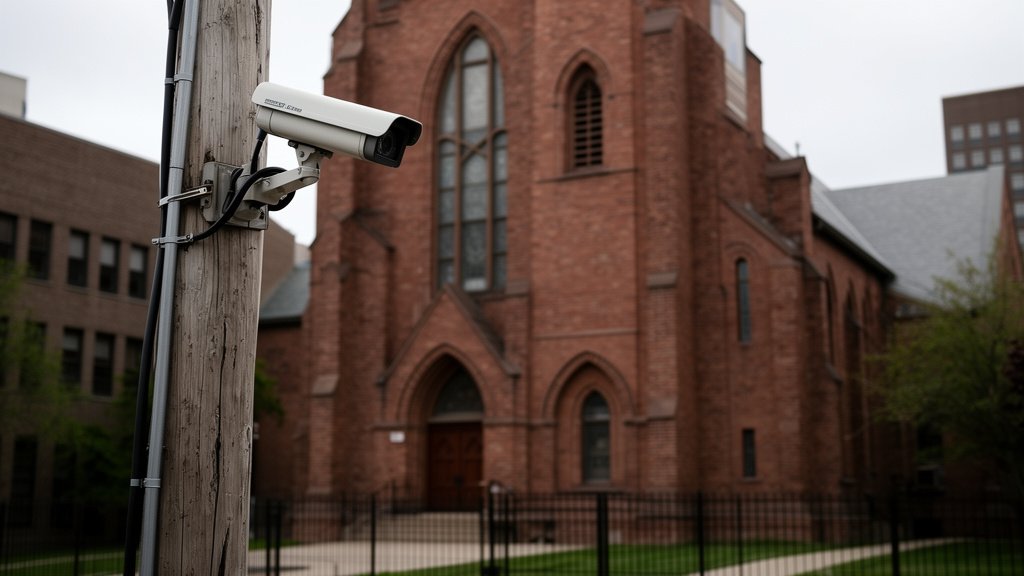
For years, churches in the Twin Cities have operated as critical nodes for immigrant support, offering refuge and material aid to families facing deportation. This model of “sanctuary,” while often tolerated by local authorities, is currently being stress-tested by what advocacy groups describe as a new, more aggressive surveillance strategy employed by federal agencies. Church leadership in Minneapolis and St. Paul argues that the presence of surveillance equipment—ranging from high-resolution digital cameras to potentially sophisticated electronic monitoring near congregation exits—is designed to chill the First Amendment rights of congregants.
According to church legal counsel, the presence of these monitoring devices acts as an intimidation tactic, effectively tracking those who participate in protests or seek spiritual guidance. While ICE maintains that its operations are conducted in accordance with federal law and designed solely for the enforcement of immigration statutes, the plaintiffs argue that the scope of this surveillance exceeds reasonable suspicion and violates the sanctity of religious assembly. The legal battle is not merely about immigration status; it is about the autonomy of religious institutions to serve their communities without federal intrusion.
The Surveillance Question and Fourth Amendment Implications
Central to the litigation are allegations regarding the methods and transparency of federal data collection. Legal experts monitoring the case point to a potential violation of Fourth Amendment protections—the right to be free from unreasonable searches and seizures. In the context of a church, the expectation of privacy is legally complex. While houses of worship are not immune to law enforcement investigation, the deployment of persistent surveillance tools in a non-criminal, religious setting raises substantial questions about proportionality.
Data gathered from sources close to the litigation suggest that the coalition of churches is seeking injunctive relief to halt the use of specific surveillance apparatuses. They argue that the metadata collection from these devices—tracking individuals entering and exiting sanctuary spaces—creates a “chilling effect” on the community’s freedom of religion. If successful, this case could establish a significant precedent for how federal agencies deploy surveillance tech around sensitive civic and religious infrastructure.
Constitutional Crossroads
This legal battle highlights a broader clash between federal authority and civil liberties. The First Amendment protects the right of peaceable assembly and the free exercise of religion, but these rights are increasingly viewed as being at odds with the current administration’s strict enforcement of immigration policies. The Twin Cities, known for a robust progressive base and strong advocacy for immigrant rights, has become the primary theater for this argument. Should the court find in favor of the churches, it could place significant guardrails on ICE’s ability to monitor dissent or protest activities occurring on or near religious properties, forcing the agency to justify the necessity and scope of such surveillance under heightened scrutiny.
Historical, Economic, and Future Perspectives
To fully understand the weight of this standoff, we must analyze the broader context of the Sanctuary Movement and its evolving challenges.
Historical Context: The 1980s Sanctuary Movement
The current legal challenge has roots in the sanctuary movement of the 1980s, which saw churches across the United States providing shelter to refugees fleeing violence in Central America. During that era, the conflict was largely defined by clandestine support networks. Today, however, the digital revolution has transformed the nature of the conflict. In the 80s, the battle was against physical entry into the church; today, the battle is against the digital monitoring of the people who enter. This evolution marks a significant shift in the strategic landscape of immigration defense.
Economic Impact on Immigrant Communities
The constant threat of surveillance has a quantifiable impact on the local economy. Immigrant families, fearful of being flagged by federal surveillance, are increasingly hesitant to engage with civic resources, attend community workshops, or access health and social services provided by these churches. This retreat from public life isolates these communities, hindering their economic integration and the ability of local non-profits to effectively allocate aid. The fear generated by these surveillance allegations acts as an economic suppressant in neighborhoods that rely on the stability provided by these religious institutions.
Future Predictions: The Path to the Supreme Court?
Legal scholars observing the Minnesota case suggest it has the hallmarks of a matter that could eventually reach the appellate courts. The central question—whether the government’s need for immigration enforcement overrides the privacy expectations of congregants—is a classic constitutional tension. If the lower courts rule in favor of the churches, it could lead to a nationwide standard prohibiting federal surveillance near sanctuary sites, effectively clipping the wings of federal enforcement in urban centers. Conversely, a ruling for the government could provide ICE with broad latitude to monitor sensitive locations, fundamentally altering the operating parameters for the sanctuary movement nationwide.
FAQ: People Also Ask
Why are Minnesota churches specifically being targeted by this surveillance?
The Twin Cities are home to a high concentration of active, long-standing sanctuary churches that have been vocal in their opposition to current federal immigration policies. Advocates argue these institutions are being targeted as a deterrent to discourage community organizing.
What specific types of surveillance are the churches alleging?
The lawsuit alleges the use of persistent electronic surveillance, including high-tech camera systems, license plate readers, and potential facial recognition technology used by federal agents to track movement around church grounds.
Does this case violate the First Amendment?
The plaintiffs argue that the surveillance creates a “chilling effect” on the right to assemble and practice religion freely, as congregants are afraid to attend services or protests due to fears of data collection and subsequent immigration enforcement.
How has the federal government responded to these claims?
The government has consistently maintained that its immigration enforcement activities are lawful, necessary to maintain national security, and carried out with respect for civil liberties within the bounds of federal investigative authorities.