The groundbreaking of the Forever One Memorial this Friday signals a definitive transition for Las Vegas, moving from a landscape defined by the shadow of the October 1, 2017, tragedy to one anchored in permanent, collective remembrance. As construction crews prepare to break ground on the site, the project serves as both a physical sanctuary for survivors and families and a testament to the city’s resilience. The commencement of this project follows a week of dedicated remembrance events, emphasizing that while time moves forward, the city’s commitment to honoring the 60 lives lost and the hundreds injured remains steadfast.
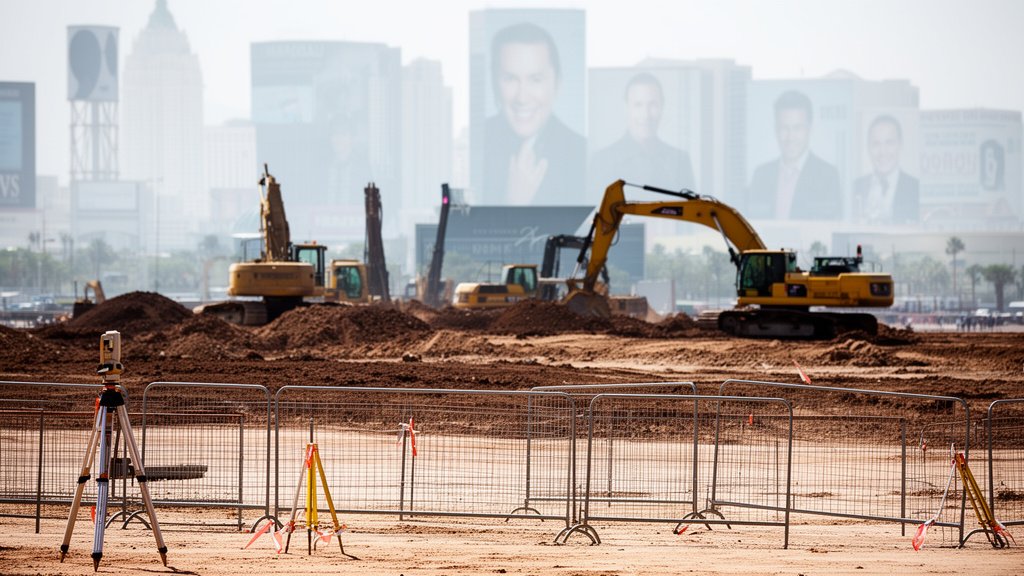
- The Forever One Memorial officially breaks ground this Friday, transforming the site of the former Route 91 Harvest Festival into a permanent space for reflection.
- The project is the culmination of years of advocacy by the October 1 Memorial Committee, which prioritized input from survivors, families, and the wider Las Vegas community.
- Design plans for the memorial emphasize natural landscapes and intimate spaces, designed to offer visitors a sense of peace rather than solely focusing on the tragedy itself.
- A week of community-led remembrance events precedes the ceremony, reinforcing the memorial’s role as a communal touchstone for healing.
Constructing a Legacy of Remembrance: The Forever One Memorial
A Shift from Tragedy to Healing
The site of the October 1, 2017, mass shooting has long been a place of heavy emotional significance. For years, it existed as a raw, open space—a stark reminder of the tragedy that claimed 60 lives and injured hundreds more. The initiation of the Forever One Memorial project represents a profound shift in the narrative of this location. It is no longer just the site of an attack; it is becoming a dedicated sanctuary for introspection and communal healing. The groundbreaking ceremony is not merely a construction milestone; it is a ritualistic acknowledgement that the city is ready to transition toward a more permanent form of memorialization.
This transition has been carefully managed by the October 1 Memorial Committee. Their mandate was complex: create a space that honors the victims and survivors without recreating the trauma of the event. The result, dubbed the “Forever One” concept, was chosen specifically to represent the unity of the community. It moves away from the stark, cold aesthetics often associated with monument design and instead focuses on organic, fluid structures that allow visitors to find their own path through the grief and recovery process. By prioritizing local voices and survivor testimonials, the committee has ensured that the memorial serves the people who were most deeply affected, rather than serving as a generic monument to loss.
The Architectural Philosophy of Resilience
The architectural design of the Forever One Memorial is rooted in the philosophy of “healing through connection.” Designers working with the committee have focused on creating spaces that facilitate conversation and private reflection. By integrating natural elements—landscaping, water features, and quiet, secluded pathways—the memorial encourages visitors to slow down. Unlike typical urban monuments that command attention through height or aggressive geometry, this memorial is designed to be experienced at a human scale. It acknowledges the fragility of the human experience while simultaneously underscoring the strength required to rebuild.
This approach is particularly critical given the unique nature of the Las Vegas Strip. Surrounded by the constant, high-energy environment of a major tourism corridor, the memorial must provide a buffer. The design incorporates acoustic dampening and visual screening to separate the space from the surrounding city, creating a “container for memory.” This deliberate separation allows the memorial to exist in a state of suspended time, where the chaotic pace of the city falls away, allowing for the intended experience of quiet contemplation. The groundbreaking this Friday initiates the physical construction of these barriers, marking the first time the public can see how the vision will manifest in the physical environment.
The Community’s Role in the Design Process
One of the most significant aspects of the Forever One Memorial is the degree to which the community influenced its creation. The October 1 Memorial Committee did not work in a vacuum; they conducted years of workshops, town halls, and individual interviews with survivors, families of the victims, and first responders. This collaborative effort ensured that the memorial wouldn’t just be an aesthetic choice, but a functional one. The “Forever One” designation itself was a community-driven decision, reflecting the belief that all those affected are inextricably linked.
Secondary angles of the project highlight the economic and social importance of the site. For the city of Las Vegas, the memorial serves as a permanent marker of its resilience. It forces a conversation about safety, community support systems, and the long-term mental health impacts of mass violence. Furthermore, the site provides a centralized location for annual vigils, ensuring that future generations have a designated place to learn about the tragedy and the lives that were lost. The groundbreaking is the physical manifestation of a promise made to the victims: that they would never be forgotten. As the first shovels of dirt are turned, the community is effectively securing that memory for the decades to come.
FAQ: People Also Ask
Where is the Forever One Memorial located?
The memorial is being constructed at the site of the former Route 91 Harvest Festival, located along the Las Vegas Strip. The site was carefully selected to be the permanent home for the remembrance project.
Who is responsible for the design of the memorial?
The project is overseen by the October 1 Memorial Committee, which has engaged architects and designers to translate the input of survivors and victims’ families into a cohesive, healing physical space.
Is the site open to the public during construction?
During the construction phase, public access will be restricted for safety reasons. The committee has provided updates on when parts of the site may be accessible or when virtual tours will be available as the project progresses.
How is the memorial being funded?
The project is supported by a mix of public and private funding, reflecting a massive community-wide effort to ensure the memorial meets the needs of those it honors. Fundraising efforts have been ongoing since the aftermath of the tragedy.