The peaceful character of the Marble Hill neighborhood in the Bronx was shattered on August 15, 2024, when an encounter between federal Immigration and Customs Enforcement (ICE) agents and a local resident escalated into a shooting. The incident, which occurred with a five-year-old child inside the target vehicle, has galvanized local community groups and intensified the ongoing debate regarding the scope and safety of federal immigration enforcement operations within New York City’s municipal boundaries.
Key Highlights
- Incident Details: An ICE enforcement operation in the Marble Hill section of the Bronx resulted in an agent shooting a man while he was seated in a car with a five-year-old child present.
- Community Reaction: The incident ignited immediate local protests, with residents and activists demanding transparency and a halt to aggressive federal tactics in residential neighborhoods.
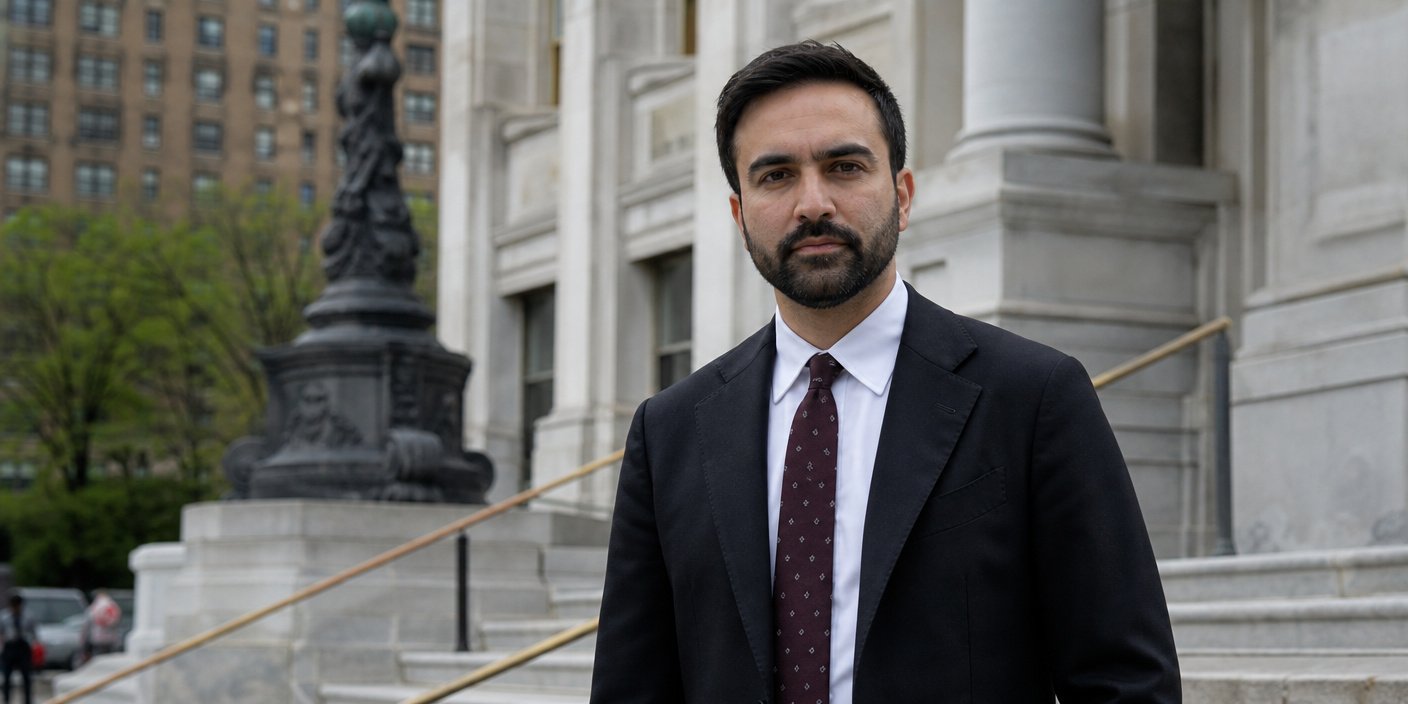
- Political Condemnation: New York State Assemblyman Zohran Mamdani has strongly condemned the use of lethal force, highlighting the dangers posed to civilians and children during these operations.
- Procedural Concerns: The presence of a minor during a high-stakes federal enforcement action has raised serious questions regarding ICE’s standard operating procedures (SOPs) and risk assessment protocols.
The Marble Hill Incident and the Escalation of Force
The shooting occurred during the daylight hours, creating a scene of confusion and terror for residents in the immediate vicinity. According to preliminary reports and eyewitness accounts circulating through the neighborhood, ICE agents were executing an enforcement action when the situation deteriorated rapidly. The victim, identified as Erick Diaz-Cruz, was inside a parked vehicle at the time of the altercation. The defining detail that has caused the most profound public distress is the presence of a five-year-old child within the same vehicle, an element that critics argue demonstrates a reckless disregard for the physical and psychological safety of bystanders.
The mechanics of the encounter remain a subject of investigation. While federal authorities often operate with a high degree of autonomy, the proximity of a child during a tactical intervention of this nature marks a critical point of failure in standard community-policing risk management. The shooting, which resulted in injuries to Diaz-Cruz, has shifted the focus from immigration status to the broader issue of police and federal agent use-of-force protocols in densely populated urban environments.
Psychological and Community Trauma
Beyond the physical injury of the victim, the incident has inflicted a secondary layer of trauma on the Marble Hill community. Witnesses described a chaotic scene that unfolded in a residential area, forcing schools and local businesses to grapple with the aftermath of a violent intervention. Child advocates have pointed to the long-term emotional damage such incidents inflict on minors, emphasizing that the presence of a child should act as an immediate de-escalation trigger in any law enforcement engagement. The community’s reaction was swift; within hours, protestors gathered at the site, reflecting a growing intolerance for federal operations that they perceive as invasive and inherently dangerous to the local population.
The Role of Local Political Leadership
New York State Assemblyman Zohran Mamdani, representing the area, was among the most vocal critics following the event. His condemnation focused not only on the specific actions of the agents involved but also on the overarching policy that allows federal agencies to operate with limited coordination with local law enforcement. In his statement, Mamdani underscored the danger inherent in “no-knock” or aggressive street-level tactics when applied in the context of immigration enforcement. This political response signals a hardening stance against federal interference in local communities, suggesting a potential legislative push to restrict how and where these operations can be carried out.
The Intersection of Federal Enforcement and Sanctuary Policy
This incident sits at the volatile intersection of U.S. federal immigration policy and New York City’s status as a “sanctuary city.” While the city has implemented policies intended to protect undocumented residents from cooperation with federal authorities, these local ordinances do not legally impede federal agents from conducting their own investigations or arrests. This creates a friction zone where local law enforcement and federal ICE agents operate under different mandates and, frequently, different operational ethics.
Procedural Failures and Ethical Questions
The primary question facing investigators and the public is why the situation was allowed to escalate while a child was in the vehicle. In standard law enforcement training, the presence of a bystander—particularly a minor—is a massive red flag that necessitates extreme caution. The decision to initiate an interaction that carried a high risk of violent escalation suggests a systemic failure in planning. Critics and legal experts are now asking for a full disclosure of the incident report, demanding to know what intelligence, if any, led to the specific timing and location of the arrest.
The Future of ICE Operations in NYC
Moving forward, this event is likely to force a reassessment of how federal agencies interact with the local police department (NYPD) in NYC. While the NYPD often maintains a hands-off approach regarding immigration status, the lack of communication leads to situations where local police are caught off guard by federal actions occurring on their streets. Activists are now calling for a requirement that federal agents must coordinate with local precinct leadership to ensure the safety of civilians in the area. Whether such a requirement is legally enforceable remains the crux of the ongoing legislative battle.
FAQ: People Also Ask
1. What was the specific outcome for the child present in the car?
While the child was not physically struck by gunfire, the emotional impact and trauma associated with witnessing a shooting involving their parent/guardian are significant. Local advocates are currently providing support services to the family involved.
2. Is there an active investigation into the ICE agent’s actions?
Yes, incidents involving the discharge of a weapon by federal agents are subject to internal agency review, and given the public outcry and the presence of a minor, there are calls for independent oversight, though the specifics of that investigation are often protected by federal jurisdiction rules.
3. How does this relate to NYC’s ‘Sanctuary City’ policy?
While NYC restricts local police from cooperating with ICE, federal agencies like ICE are separate entities that retain the legal authority to execute their own enforcement actions. This incident highlights the limitations of municipal protections when federal agencies choose to operate unilaterally within city limits.