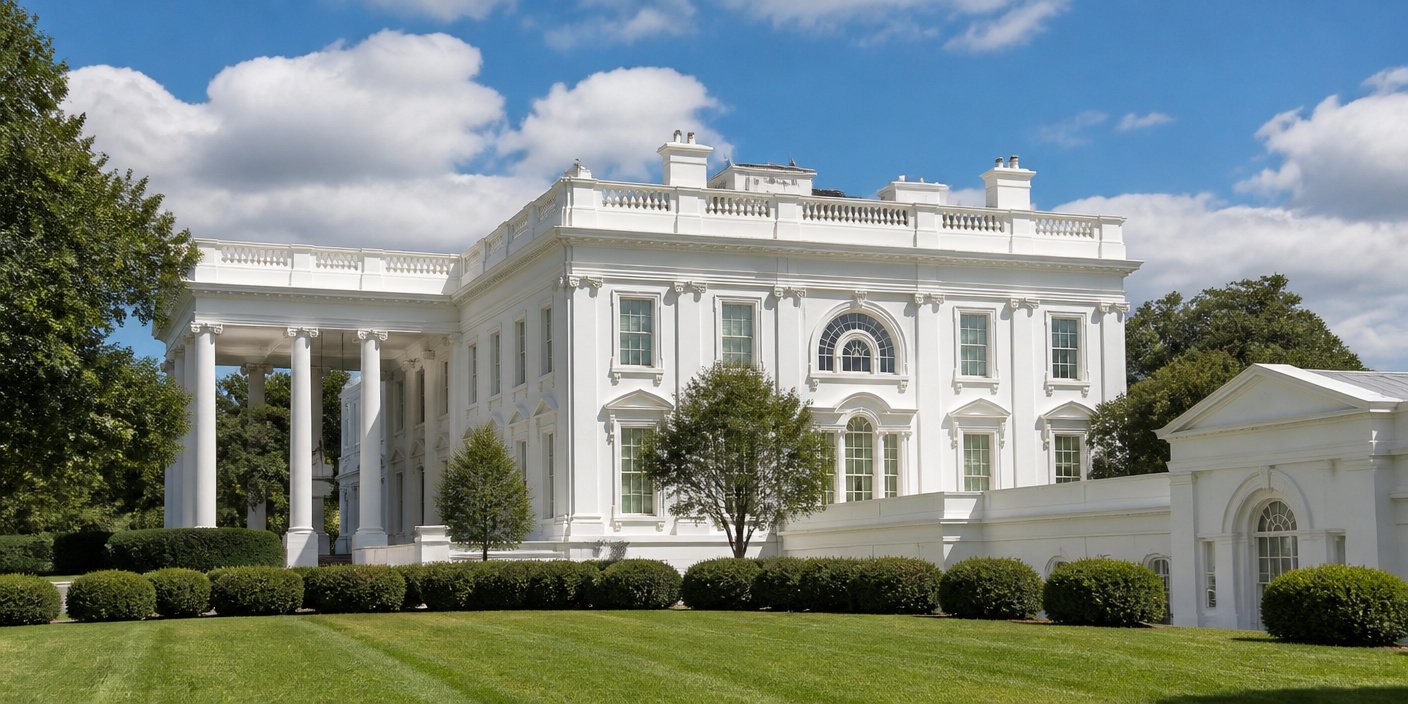
In a significant administrative pivot on Wednesday, October 14, 2026, the White House confirmed a sweeping leadership transition. Katie Zacharia has been officially named the new Press Secretary, stepping in to replace Karoline Leavitt, who has concluded her tenure in the role. The reshuffle coincides with a high-stakes diplomatic development in the Eastern Mediterranean, as the administration has formally requested the resignation of U.S. Ambassador to Greece, Kimberly Guilfoyle, following mounting reports regarding potential breaches of financial ethics.
Key Highlights
- Katie Zacharia succeeds Karoline Leavitt as the White House Press Secretary, effective immediately.
- The White House has demanded the resignation of Kimberly Guilfoyle, the U.S. Ambassador to Greece.
- The requested resignation of Ambassador Guilfoyle is directly linked to internal reports concerning financial ethics.
- The administration is framing these moves as a commitment to maintaining stringent standards within its executive and diplomatic ranks.
Executive Transition and Diplomatic Accountability
The dual announcement on Wednesday morning marks one of the most substantial personnel adjustments for the current administration in recent history. By replacing the Press Secretary and simultaneously moving to remove a high-ranking ambassador, the White House has signaled a deliberate effort to curb internal distractions and refocus the administration’s public and diplomatic messaging ahead of upcoming fiscal policy deadlines.
The Transition of the Press Office
The appointment of Katie Zacharia to the Press Secretary role represents a shift in communication strategy. Karoline Leavitt, who has held the podium for the preceding months, has been a central figure in the administration’s legislative push. Replacing a key spokesperson mid-cycle is rarely a routine maneuver; it typically suggests a desire to reset the narrative. Analysts suggest that Zacharia, known for a more technical, policy-heavy approach to media management, is expected to focus on stabilizing the administration’s communication with the Capitol and the international press corps. For the White House, the goal is clear: to reduce friction in daily briefings and provide a more disciplined account of the president’s agenda. The immediate departure of Leavitt implies that the administration is seeking a swift transition to minimize the optics of a protracted handover.
Investigating Financial Ethics in Athens
The most acute point of tension is the situation involving U.S. Ambassador to Greece, Kimberly Guilfoyle. The demand for her resignation, predicated on alleged financial ethics issues, introduces a layer of diplomatic complexity. An ambassadorship is a sensitive post, particularly in Greece, a pivotal NATO ally with deep strategic ties to the United States regarding naval operations in the Mediterranean and energy security.
Financial ethics violations, or even the perception thereof, can undermine an ambassador’s credibility with foreign governments. By requesting her resignation, the administration is likely attempting to preempt a broader international scandal. The specificity of the reports—focusing on financial conduct—suggests that an internal audit or a whistle-blower report may have triggered the action. While the State Department has remained tight-lipped regarding the specific dollar amounts or the nature of the transactions involved, the rapid response underscores a “zero-tolerance” policy for diplomatic personnel facing allegations of misconduct.
Strategic Implications for the Administration
Beyond the individuals involved, these changes reflect the administration’s broader struggle to manage internal and external optics. In Washington, the proximity of an ambassadorial resignation to a major communications shake-up creates a “news vacuum” that the opposition is sure to exploit. However, the administration’s rapid action—forcing out a controversial figure like Guilfoyle and installing a new, presumably more controlled, voice in the press office—is a classic crisis management technique. By cleaning house now, they hope to control the narrative cycle and move past the controversy before it becomes a dominant theme in the upcoming election season.
For Greece, the loss of an ambassador during a period of ongoing discussions regarding regional stability is not ideal, but the U.S. State Department is expected to name an interim chargé d’affaires quickly to prevent any disruption in diplomatic channels. The question remains whether these resignations and appointments represent the end of the current administration’s personnel issues or if further instability lies ahead.
FAQ: People Also Ask
Q: Why was Kimberly Guilfoyle asked to resign as U.S. Ambassador to Greece?
A: The administration requested her resignation following internal reports regarding financial ethics, signaling a serious breach of the standards required for high-level diplomatic representation.
Q: Who is Katie Zacharia, and what is her background?
A: Katie Zacharia is the newly appointed White House Press Secretary. She brings a background often associated with policy-heavy communication, intended to reset the administration’s public narrative.
Q: Does the replacement of Karoline Leavitt imply a shift in the administration’s policy?
A: While personnel changes often reflect internal adjustments, the administration has framed this as a refinement of their communication strategy, prioritizing a more technical and disciplined messaging style under Zacharia.
Q: How does this impact U.S.-Greece relations?
A: While the departure of an ambassador is a significant diplomatic event, the State Department is expected to maintain continuity via an interim appointment, ensuring that naval and energy security discussions remain uninterrupted.