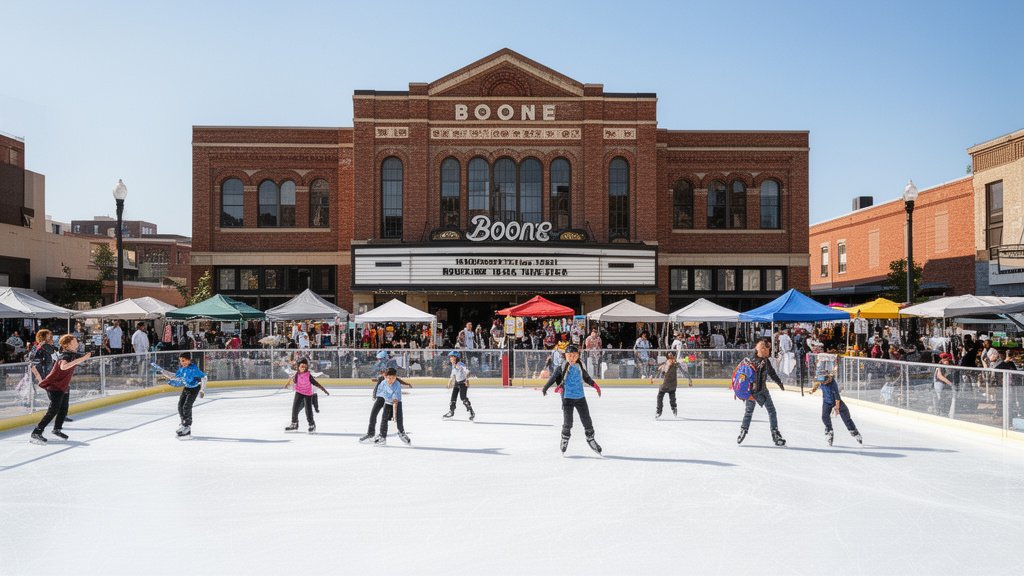
The historic 18th & Vine district—a cultural bedrock of Kansas City jazz—is undergoing a tangible, high-energy transformation as part of the “Revive the Vine” initiative. This latest update, confirmed as of mid-October, signifies a shift toward active, year-round community engagement. By integrating large-scale recreational infrastructure with consistent, micro-economic opportunities for local entrepreneurs, city planners and community leaders are aiming to shift the district from a passive historical site to an active, daily-use neighborhood center.
The Cultural and Economic Reset
The 18th & Vine Jazz District has long been recognized for its deep roots in American musical history. However, the current revitalization effort focuses on bridging the gap between historical reverence and modern urban utility. The introduction of the 16,000-square-foot Blues Park skating rink represents a strategic pivot. By installing a substantial recreational facility in the heart of the district, the city is creating a ‘third place’—a social environment separate from the home and the workplace—that encourages foot traffic during non-peak hours.
Historically, the district struggled with sustained engagement outside of major concert events or weekend museum visits. The “Revive the Vine” initiative addresses this by anchoring the area with both permanent and semi-permanent attractions. The skating rink is not merely an amenity; it is a catalyst designed to bring local youth and families into the district, thereby increasing the visibility of the surrounding businesses and cultural institutions. This approach mirrors successful urban renewal projects in other major cultural corridors, where recreational space is used to foster social cohesion and economic micro-climates.
The Boone Theater: A New Nexus for Commerce
Central to this revitalization is the reactivation of the Boone Theater. Once a jewel of African American entertainment in the city, the theater is now pivoting to serve as a hub for local commerce through weekly vendor pop-up events. This strategy serves two purposes: first, it utilizes the historic footprint of the theater to create a concentrated market space; second, it lowers the barrier to entry for small businesses that may not have the capital for a traditional storefront lease.
The pop-up model allows the district to remain fluid and dynamic. Visitors who come for the skating rink are naturally funneled toward the vendor areas, creating an integrated ecosystem of recreation and retail. This ‘mixed-use’ approach is essential for the longevity of the district, as it provides a rotating selection of goods and services, ensuring that repeat visitors always find something new. By focusing on local vendors, the initiative also ensures that the economic benefits of the revitalization remain within the community, reinforcing the district’s identity as a supportive environment for local makers and creators.
Secondary Angles: Sustainability and Social Infrastructure
Beyond the headline-grabbing attractions, the “Revive the Vine” initiative is deeply rooted in social sustainability. The integration of community service initiatives into the weekly schedule ensures that the district functions as a resource center, not just a retail or entertainment zone.
1. Economic Impact of Micro-Retail: By testing the viability of local vendors in the Boone Theater, the district is effectively serving as an incubator. If a vendor demonstrates success during these pop-ups, they are better positioned to transition into permanent spaces within the district, providing a clear pipeline for small business growth.
2. Historical Preservation through Modernity: There is a delicate balance in preserving the aesthetic integrity of the Jazz District while updating it for modern use. The architecture of Blues Park and the adaptive reuse of the Boone Theater demonstrate a commitment to maintaining the district’s ‘soul’ while providing the facilities required by contemporary urban dwellers.
3. Future Predictions: As the 16,000-square-foot rink gains traction, we can expect to see an increase in auxiliary services, such as hospitality and transit access, to support the surge in foot traffic. The district is positioned to become a blueprint for how legacy neighborhoods can reinvent themselves without losing their historical character.
Conclusion
The 18th & Vine district is currently navigating a pivotal transition. With the October updates, it is clear that the goal is to make the district a living, breathing neighborhood once again. By blending the historic prestige of the jazz era with the practical needs of modern urban recreation and entrepreneurship, the “Revive the Vine” initiative is setting a standard for how cultural districts across the nation can successfully evolve. As residents and visitors engage with the new Blues Park and the Boone Theater markets, the district is actively proving that its best days may very well lie ahead.
FAQ: People Also Ask
Q: What is the primary purpose of the new Blues Park skating rink?
A: The 16,000-square-foot Blues Park skating rink serves as a major recreational anchor designed to increase daily foot traffic and provide a year-round social hub for residents and visitors to the 18th & Vine district.
Q: How does the Boone Theater play a role in the revitalization?
A: The historic Boone Theater is being repurposed to host weekly vendor pop-up events, providing a low-risk commercial space for local small businesses to sell goods and interact with the public, effectively acting as an incubator for local talent.
Q: What is the ‘Revive the Vine’ initiative?
A: ‘Revive the Vine’ is a comprehensive strategic effort to rejuvenate the 18th & Vine district by combining historical preservation with modern infrastructure (like the skating rink) and active community programming to ensure long-term economic and social viability.