The road to the Dakar 2026 Youth Olympic Games (YOG) has reached a pivotal milestone as the official pools for the rugby sevens competitions were confirmed this week. This announcement brings clarity to the bracket for the 16 international teams preparing to converge on the Senegalese capital. The inclusion of rugby sevens at this prestigious youth event underscores the sport’s burgeoning popularity across the African continent and highlights the strategic importance of the Dakar 2026 Games as a springboard for the next generation of rugby talent.
A Historic Venue: The Complexe Iba Mar Diop
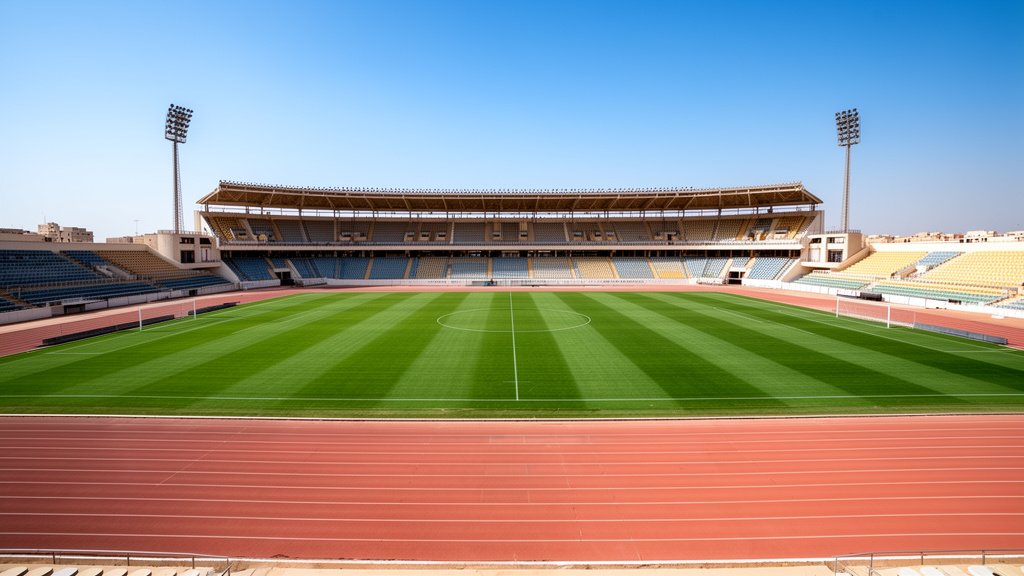
The choice of the Complexe Iba Mar Diop for the rugby sevens matches is more than a logistical decision; it is a nod to Senegal’s rich athletic history. Located in the heart of Dakar, the facility has undergone comprehensive renovations to meet the rigorous standards required by the International Olympic Committee (IOC) and World Rugby. The stadium is expected to serve as a beacon of modern sporting infrastructure, blending local culture with the high-performance requirements of Olympic-level competition. For the athletes, competing in a venue that balances heritage with state-of-the-art updates will provide a unique atmosphere, amplifying the intensity of the youth rugby sevens format.
The Competitive Landscape of the 16 Teams
The confirmed pools reveal a diverse assembly of nations, reflecting the global reach of rugby sevens. With 16 teams vying for the podium, the competition is expected to be fierce. The format—which emphasizes speed, agility, and stamina—favors squads that have mastered the tactical nuance of the seven-player game. Scouting reports suggest that while established rugby nations will enter as favorites, the rapid development of youth programs in emerging markets has closed the gap. The pools were structured to ensure balanced competition, maximizing the potential for upsets and high-scoring matches that define the rugby sevens experience.
The Strategic Growth of Rugby Sevens
Rugby sevens has become the primary vehicle for rugby’s global expansion, particularly through its Olympic inclusion. The format is designed to be accessible to spectators and manageable for developing nations that may not have the depth of a full 15-a-side roster. By hosting this event at Dakar 2026, World Rugby and the Dakar 2026 Organizing Committee are making a long-term investment in African rugby. The event is not merely a tournament but a catalyst, expected to stimulate grassroots participation, inspire local school-level programs, and foster a new era of talent pipelines across the region.
Secondary Angles: Shaping the Future of Sport
1. The Economic Ripple Effect: Beyond the scoreboard, the hosting of the rugby sevens competition serves as a significant economic multiplier for Dakar. The influx of international delegations, support staff, and fans requires substantial improvements in local hospitality, transport, and communication sectors. This urban upliftment is a core objective of the Dakar 2026 strategy, aiming to leave a lasting legacy for the local community.
2. The Youth Scouting Pipeline: For many of these young athletes, Dakar 2026 represents their first taste of the Olympic experience. Elite scouts from professional academies worldwide are already tracking these pools with heightened interest. The event acts as a high-stakes showcase, where a standout performance in a pool match can lead to professional contracts and accelerated pathways into senior national teams.
3. Infrastructure Transformation: The restoration of the Complexe Iba Mar Diop represents a broader shift in how international sports bodies approach host cities. Rather than focusing solely on new, high-cost builds, the emphasis has shifted toward revitalizing existing, historically significant facilities. This approach promotes sustainability and ensures that the infrastructure remains usable and relevant for the Senegalese public long after the Olympic flame is extinguished.
As the teams finalize their training regimens and scouting reports, the anticipation surrounding the rugby sevens at Dakar 2026 continues to build. With the pools now set, the countdown to the opening whistle at the Complexe Iba Mar Diop has truly begun, signaling a bright future for the sport and the host nation alike.
FAQ: People Also Ask
1. When are the Dakar 2026 Youth Olympic Games taking place?
The Dakar 2026 Youth Olympic Games are scheduled to be held in late 2026, marking the first time an Olympic event is hosted on the African continent.
2. Where will the rugby sevens competition be held?
The rugby sevens competition is slated to take place at the historic Complexe Iba Mar Diop in Dakar, Senegal, which is currently undergoing significant renovations for the event.
3. How many teams are competing in the rugby sevens tournament?
There are 16 international teams competing across the men’s and women’s rugby sevens competitions, as confirmed by the official pool announcements.
4. Why is rugby sevens chosen for the Youth Olympic Games?
Rugby sevens is highly suited for the Youth Olympics due to its fast-paced, high-intensity nature, which is appealing to younger audiences, and its lower barrier to entry compared to the traditional 15-a-side game, facilitating broader international participation.