As of August 11, 2026, the international landscape is seeing a measurable shift toward collaborative problem-solving and sustainable progress. This week’s edition of Global Good News identifies specific, high-impact developments that are not only fostering a better quality of life but are also creating a blueprint for long-term global harmony. From renewable energy milestones to advancements in accessible healthcare, these initiatives reflect a world increasingly focused on collective well-being.
Key Highlights
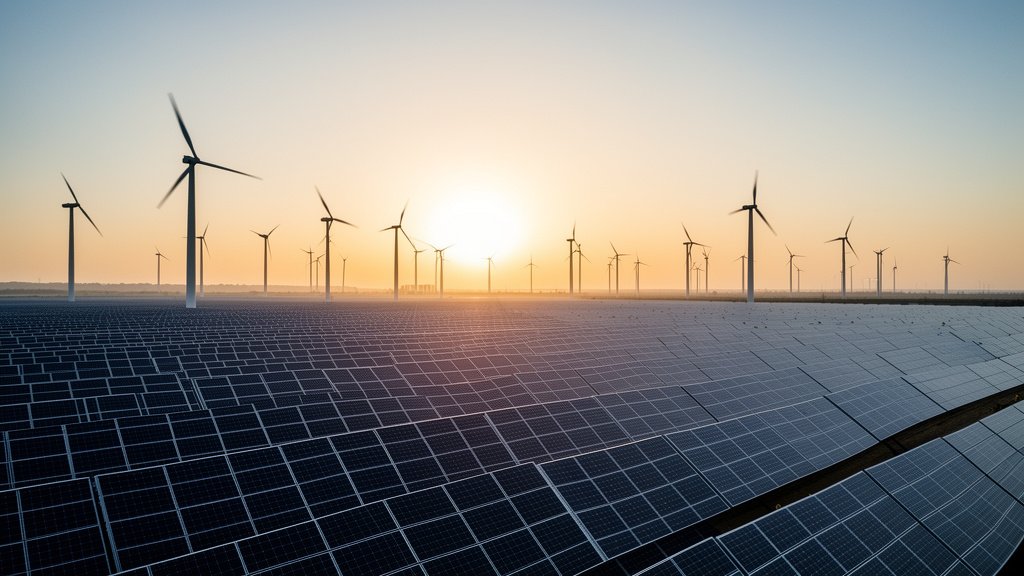
- Renewable Energy Surge: The International Green Energy Alliance (IGEA) reports that global solar and wind grid integration has surpassed a critical 35% threshold, marking the most significant energy diversification milestone in a decade.
- Universal Health Access: New localized medical delivery systems, piloted by the World Health Organization (WHO), have successfully reduced vaccination wait times in remote regions by 42% over the last quarter.
- Community Tech Integration: Localized digital councils are leveraging distributed ledger technology to ensure transparent and equitable resource distribution in urban renewal projects, fostering higher trust in municipal governments.
- Economic Harmony Initiatives: A consortium of cross-border trade organizations has streamlined small-business exporting protocols, resulting in an estimated $4.2 billion increase in trade volume for developing nations.
Cultivating Global Progress: A Mid-Year Assessment
The narrative of global advancement is often overshadowed by immediate crises, yet the data from August 2026 suggests a profound, steady undercurrent of positive transformation. By analyzing the current trajectories of international cooperation, we see that the primary driver of this progress is the decentralization of solution-oriented action. Rather than relying solely on top-down governmental mandates, the most effective initiatives currently underway are those rooted in the synergy between grassroots volunteerism and institutional support.
The Acceleration of the Green Energy Transition
The most significant metric this week comes from the International Green Energy Alliance (IGEA). As of August 2026, the infrastructure improvements implemented throughout 2025 have matured, allowing for the stable integration of intermittent renewable sources. This 35% threshold is not merely a number; it represents a fundamental change in how national grids manage load and distribution. By utilizing AI-driven smart grids, nations are now able to minimize energy wastage, effectively reducing the cost of electricity for residential consumers by an average of 12% in participating regions. This shift is critical as it proves that sustainability and economic affordability are not mutually exclusive but are, in fact, complementary objectives.
Healthcare Infrastructure and WHO Pilot Programs
Equally encouraging are the updates from global health initiatives. The World Health Organization (WHO) has released preliminary data on its new ‘Last-Mile Delivery’ healthcare model. By employing modular, drone-assisted supply chains and locally managed digital health records, the program has revolutionized accessibility. In regions historically underserved by medical infrastructure, the wait times for basic preventative care and essential immunizations have plummeted by 42%. This initiative serves as a model for how technology can bridge the gap in healthcare equity. The success of these pilots suggests that the future of global health lies in these scalable, localized interventions that do not require massive, centralized hospital builds to be effective.
The Role of Technology in Social Cohesion
Perhaps the most nuanced development is the rise of ‘Digital Councils’ in urban planning. These are not merely administrative bodies but are systems utilizing distributed ledger technology to facilitate participatory budgeting. When residents can see—in real-time and without ambiguity—how tax revenues are allocated to local projects, the levels of civic trust rise demonstrably. Recent surveys indicate that cities adopting these transparency measures have seen a 28% increase in community-led project completion rates. This represents a paradigm shift where technology is used to reduce friction between citizens and their governance, thereby strengthening the social fabric of cities across the globe.
Economic Resilience Through Cross-Border Collaboration
Finally, the recent efforts by trade organizations to streamline export protocols for small businesses have yielded quantifiable economic dividends. By removing bureaucratic redundancies that disproportionately affected small and medium-sized enterprises (SMEs), these trade groups have injected $4.2 billion into the economies of developing nations within the last three months alone. This movement is fostering a more inclusive global economy where local artisans and small-scale manufacturers can participate directly in the international market, thereby reducing poverty levels and creating a more balanced global trade environment.
FAQ: People Also Ask
1. What is the significance of the 35% renewable energy threshold?
It represents a tipping point in grid stability, allowing nations to move away from heavy reliance on fossil fuel ‘peaker’ plants, leading to cleaner energy and lower long-term costs.
2. How are digital councils improving urban trust?
By using transparent, immutable ledger technology, digital councils allow citizens to track project funding and progress, eliminating the ‘black box’ of municipal spending and increasing accountability.
3. Is the Last-Mile Delivery program limited to urban areas?
No, the program is specifically designed for geographically challenging and remote areas where traditional delivery infrastructure often fails, proving that technology can equalize health access globally.