
Global markets surged on January 22, 2026, with U.S. stocks experiencing a significant rally as the S&P 500 climbed 1.16%, the Dow Jones Industrial Average gained 1.21%, and the Nasdaq composite rose 1.18%. This positive market movement followed President Donald Trump’s announcement of a “framework” reached regarding Greenland, crucially declaring he would not take Greenland by force and dropping his tariff threats against European nations. This development contributed to a stronger South African Rand and signaled a positive outlook for African tourism, forming a key part of the emergent Greenland Deal Framework. In commodities, silver futures trended upwards, though platinum and palladium prices saw a slight decrease, and cocoa futures slid further, while Brent crude and WTI oil prices showed an upward trend, reflecting the broader Global market rally.
Greenland Deal Framework Emerges
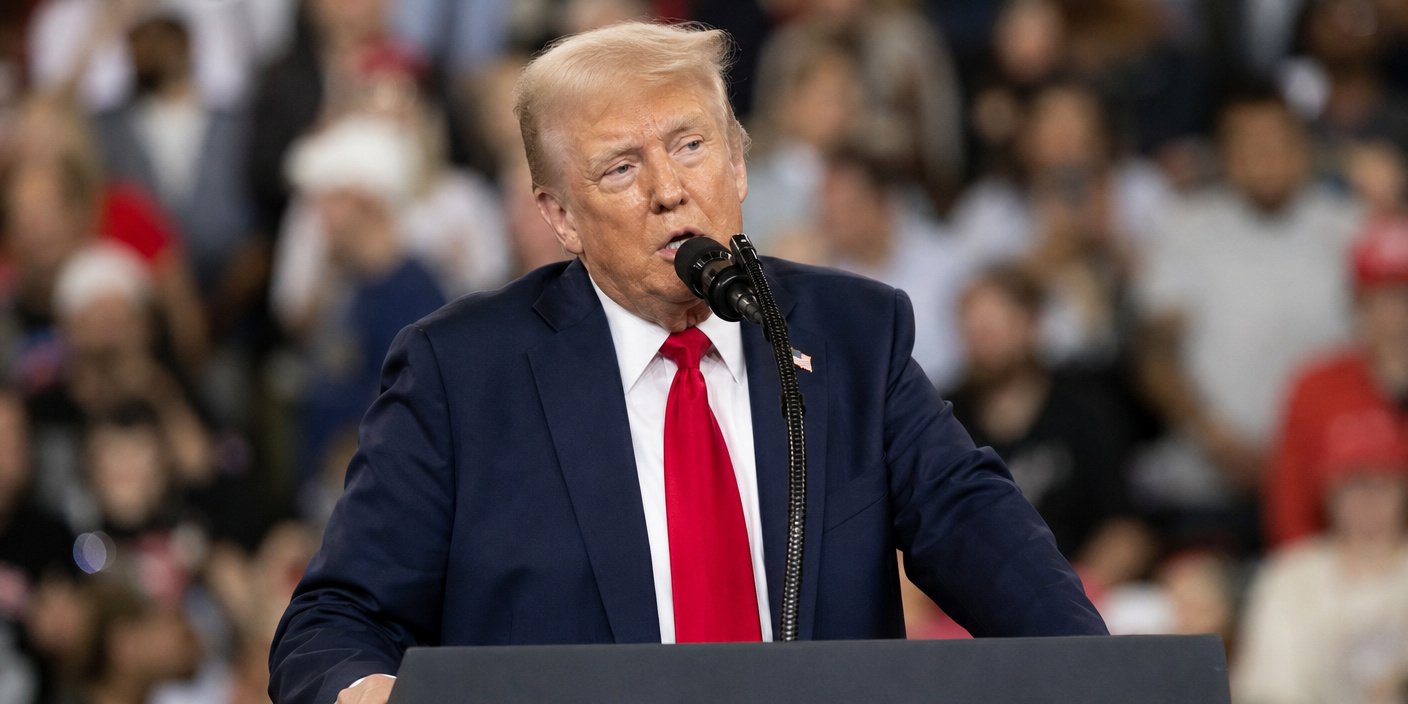
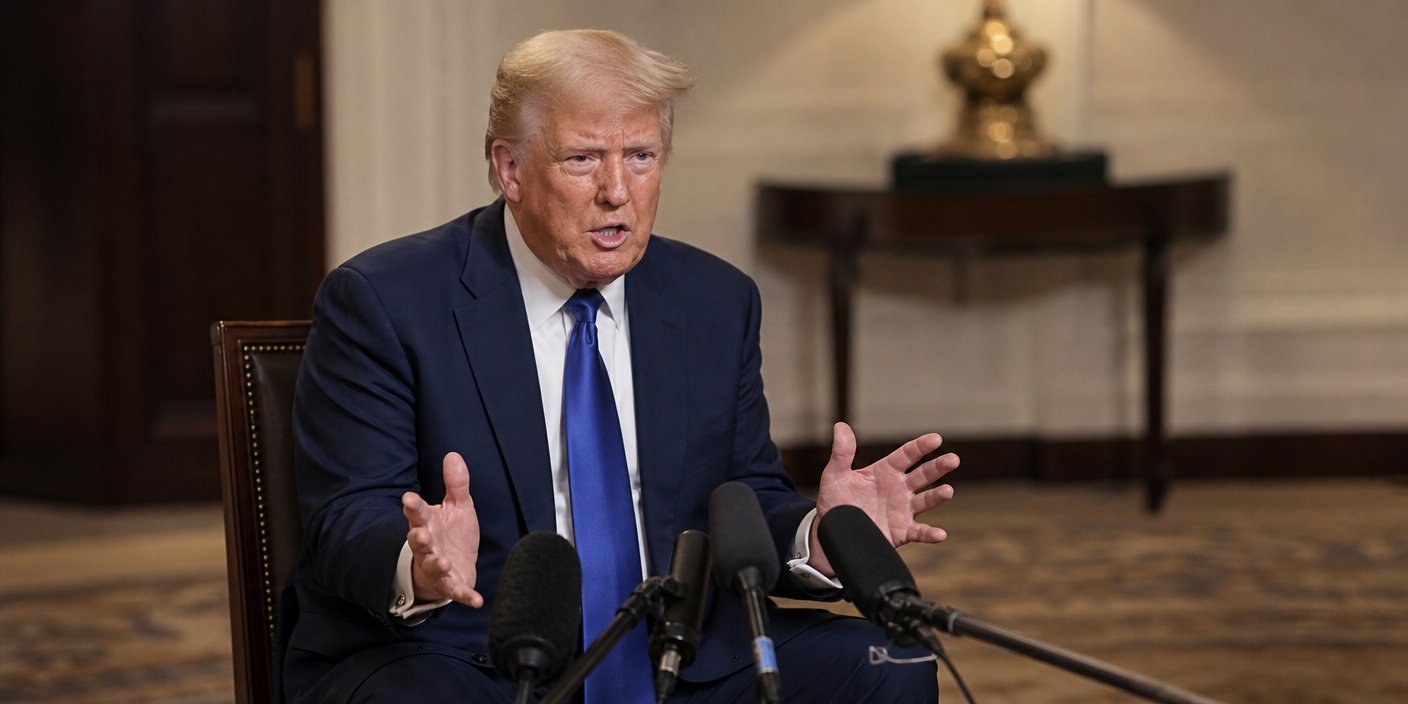
President Trump had recently intensified his pursuit of Greenland, previously threatening significant tariffs aimed at eight European countries linked to their stance on a potential U.S. acquisition of the island. However, on January 21, 2026, Trump announced a breakthrough following a meeting with NATO Secretary-General Mark Rutte, where they reached a “framework of a future deal” focusing on Greenland and the Arctic region security. Following this, Trump confirmed he would not use force and stated the U.S. was not seeking to lease the territory, but instead direct negotiations, a statement made at the World Economic Forum to de-escalate tensions significantly.
Tariffs Averted, Trade Prospects Brighten with the Greenland Deal Framework
The averted tariff threats eased immediate economic pressures. Trump had warned of a 10% tariff on goods from several European allies set to begin February 1, 2026, potentially rising to 25% by June 1, following opposition from these nations. The EU had considered using its “trade bazooka” to retaliate. The agreement on a Greenland Deal Framework removed this imminent trade war risk, a featured development signaling a move towards greater stability in European trade relations. The EU foreign policy chief noted Greenland’s sovereignty was not for trade, but the deal framework provided a path forward. Trade analysts saw this as a positive sign, reducing uncertainty for global commerce.
Markets Embrace De-escalation and the Greenland Deal Framework
Financial markets reacted enthusiastically to the news. U.S. stock indices saw immediate gains on January 22, 2026, with the rally indicating renewed investor confidence driven by the potential for reduced trade friction. The South African Rand, often sensitive to global events, strengthened, indicating improved risk appetite. Consequently, analysts noted a brighter outlook for African tourism, as geopolitical stability often boosts travel demand, unlike trade disputes which can severely hamper tourism. The resolution of this immediate crisis, facilitated by the Greenland Deal Framework, helped lift spirits and was a trending topic across financial news, with global economic forecasts also improving slightly.
Commodity Landscape Shifts
Commodity markets showed mixed reactions. Silver futures experienced an upward trend, often occurring when geopolitical risks ease and investors move from safe-haven assets. However, some precious metals saw slight decreases, with platinum and palladium prices experiencing minor declines following a previous surge driven by geopolitical fears. Cocoa futures continued to slide. Oil prices for Brent crude and WTI remained on an upward trend, reflecting ongoing global energy demand. The news offered a brief respite from trade war anxieties, allowing markets to focus on other economic drivers, influenced by the resolution that the Greenland Deal Framework represented.
Strategic Interests and Tariff Tactics under the Greenland Deal Framework
President Trump’s interest in Greenland is long-standing, viewing the Arctic island as strategically vital and crucial for national security and missile defense planning, dating back to his first presidency. He has previously considered various acquisition methods, including ruling out military force for a purchase. His administration has often used tariffs as a foreign policy tool, with tactics targeting countries like China, Canada, and Mexico. Threats against European nations were a recent escalation, an approach that often created market volatility. The confrontation over Greenland, and the subsequent de-escalation culminating in the Greenland Deal Framework, provided a key news event, significantly impacting US-Europe trade relations.
A Step Towards Stability with the Greenland Deal Framework
The announcement on January 22, 2026, marked a significant de-escalation. President Trump’s decision to drop tariff threats was welcomed, and the framework agreement on Greenland offered a path forward. U.S. stocks rallied strongly, the South African Rand strengthened, and commodity markets adjusted to the new landscape. This featured news provided a moment of global relief, underscoring the impact of geopolitical stability on financial markets. The world watched for further developments, and the immediate crisis, influenced by the Greenland Deal Framework, seemed averted for now. This event was a top news story, highlighting the delicate balance of international relations and the importance of the Greenland Deal Framework for fostering Geopolitical stability.