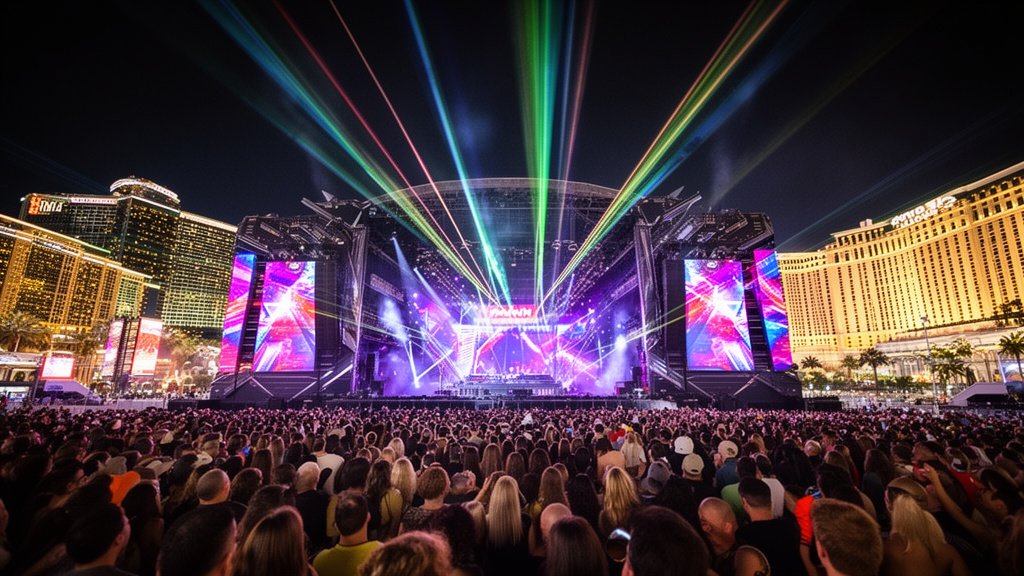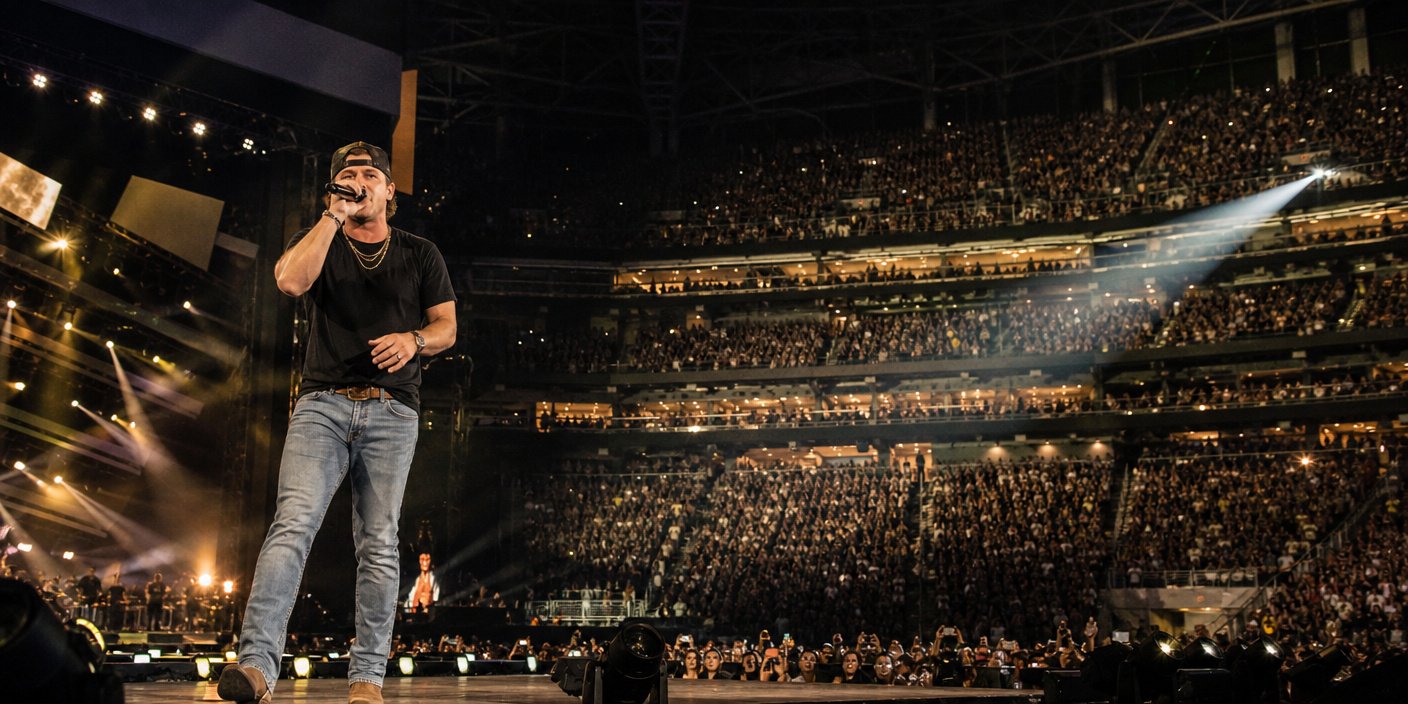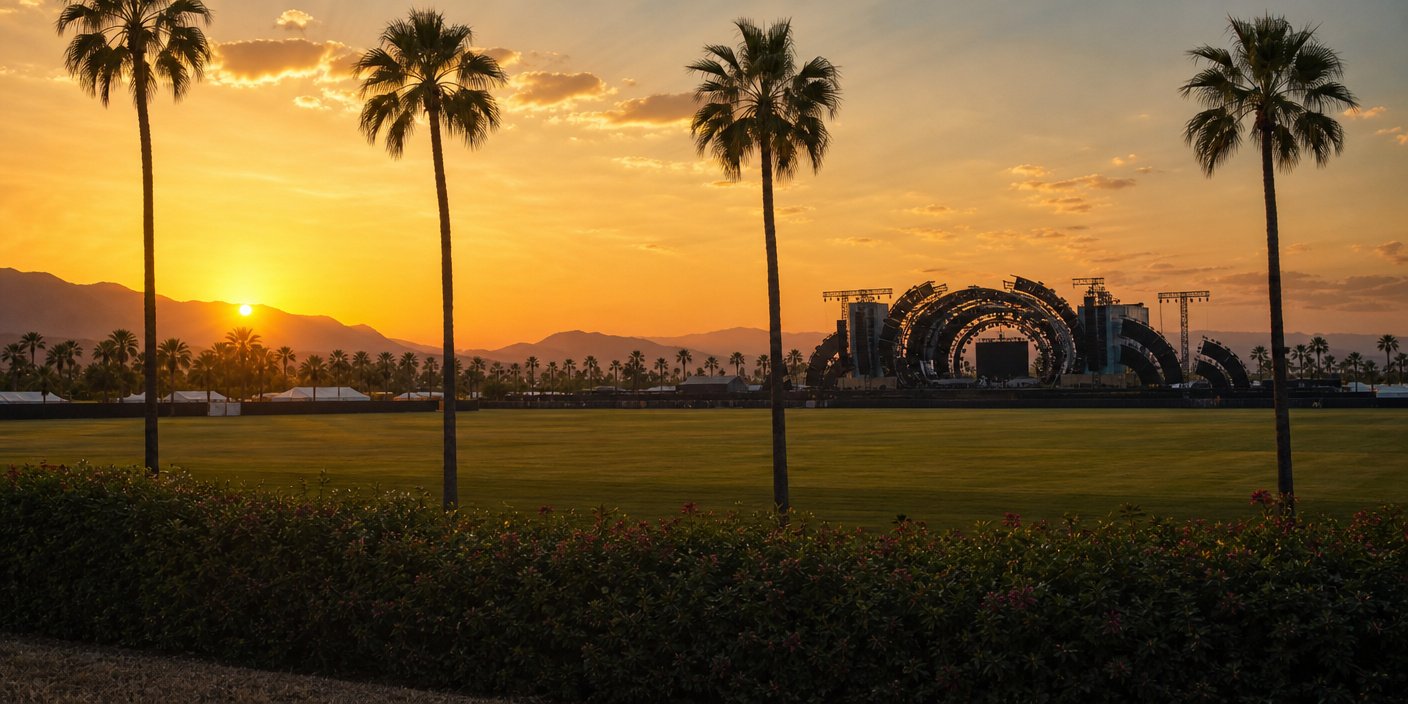
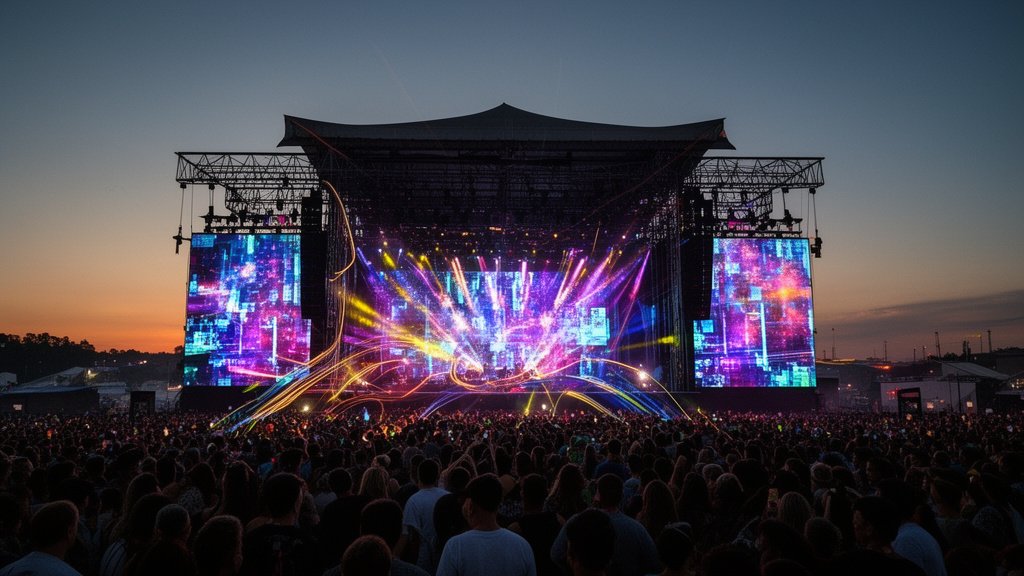
The music industry has arrived at a critical junction this November 13, 2026, where the standard digital ritual of New Music Friday is being amplified by the thundering bass of three of the country’s most significant regional music festivals. As streaming platforms are flooded with the week’s biggest drops, fans across the United States are descending upon Houston, Tucson, and Austin, creating a unique, dual-front phenomenon where virtual listening parties are transforming into real-world, high-stakes experiences. This confluence marks a distinct shift in how artists and promoters are leveraging the weekend calendar, moving away from solitary digital releases toward integrated, experiential events.
- Breakaway Houston: Hosting a massive turnout as part of its multi-city festival circuit, drawing top-tier electronic and pop talent.
- DUSK Festival: Anchored in Tucson, Arizona, the event serves as a focal point for cross-genre enthusiasts.
- Seismic Dance Event: Currently in full swing in Austin, Texas, solidifying its status as a premier hub for house and techno aficionados.
- Release Strategy: A significant uptick in artist activity suggests a deliberate attempt to sync studio album launches with the height of regional festival season, maximizing live-performance engagement.
The 2026 Festival-Release Convergence
The current atmosphere of the music industry on this second Friday of November is characterized by a high-velocity synergy between digital consumption and live performance. By analyzing the release data alongside the geographical footprint of the weekend’s festivals, it becomes clear that we are witnessing a pivot in industry standard operating procedures. The traditional “Friday drop”—once purely the domain of digital service providers—is now being actively augmented by the massive audiences present at events like Breakaway Houston, Seismic Dance Event, and DUSK Festival.
The Regional Festival Powerhouse
The festival landscape in late 2026 has matured into a robust, decentralized network. Unlike the monolithic, destination festivals of the past, Breakaway Houston, DUSK, and Seismic are playing a more localized yet highly impactful game. These festivals are strategically capturing the “weekend energy” of the music industry. Attendees at these venues are not just spectators; they are data-generating participants who amplify the impact of new music releases in real-time. Social media trends stemming from these festivals often correlate with the spikes in streaming analytics observed on New Music Friday. The proximity of these festivals creates localized “sonic hubs” that drive national trends, making them essential litmus tests for new tracks.
The Economics of Friday Drops
The economic implications of this clustering are profound. By timing major album releases to align with large-scale weekend festivals, artists and labels are effectively shortening the path from listener to concert-goer. This “festival-ready” release model allows for an immediate test of a song’s live viability. When a track drops on Friday morning, it is being played on the main stages of these festivals by Friday night. This feedback loop is invaluable. It provides labels with real-time analytics—not just streaming numbers, but physical crowd reaction metrics. We are seeing a move away from the traditional “radio first” model, replaced by a “festival-conversion” model where the initial release acts as a primer for the live experience, essentially subsidizing the cost of marketing through organic, on-site engagement.
Future-Proofing the Music Calendar
Looking beyond this weekend, the success of the November 13, 2026, convergence suggests a sustainable trend for future years. The industry is moving toward a more “integrated calendar” where festival organizers and major labels coordinate drop dates with event weekends. This reduces the risk of release fragmentation. By grouping high-profile releases with high-profile events, the music industry is successfully creating a “can’t-miss” atmosphere that justifies the expense of live travel and subscriptions alike. The challenge moving forward will be oversaturation; however, for now, the November 13 weekend serves as a masterclass in modern music marketing, proving that the most effective way to sell music is to place it directly into the environment where people are most primed to consume it.
FAQ: People Also Ask
Q: Why are so many major festivals happening on the same weekend in November?
A: November 13, 2026, represents a sweet spot in the autumn touring calendar, offering mild weather in southern hubs like Texas and Arizona, which is ideal for multi-day outdoor festival programming.
Q: How does a festival release strategy impact streaming numbers?
A: By coordinating releases with festivals, artists can leverage the collective “hype” of the live event. When a track is premiered or heavily rotated at an event like Seismic Dance Event, it drives a significant spike in immediate search and streaming demand from attendees and their social networks.
Q: Are these festivals the new standard for measuring “hit” songs?
A: Increasingly, yes. While streaming charts remain the primary metric, the ability of a track to generate an energetic crowd reaction at a festival like Breakaway Houston or DUSK is becoming a critical KPI for A&R departments gauging the long-term viability of a new release.