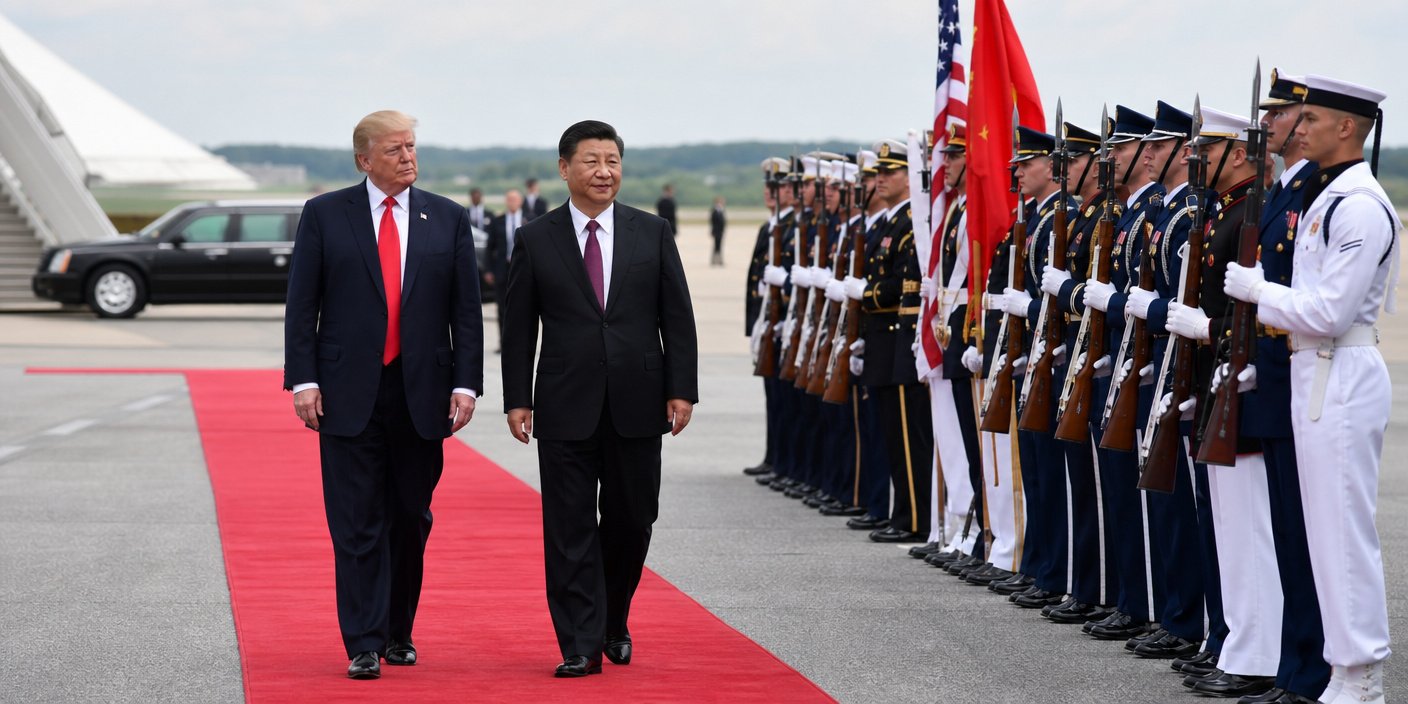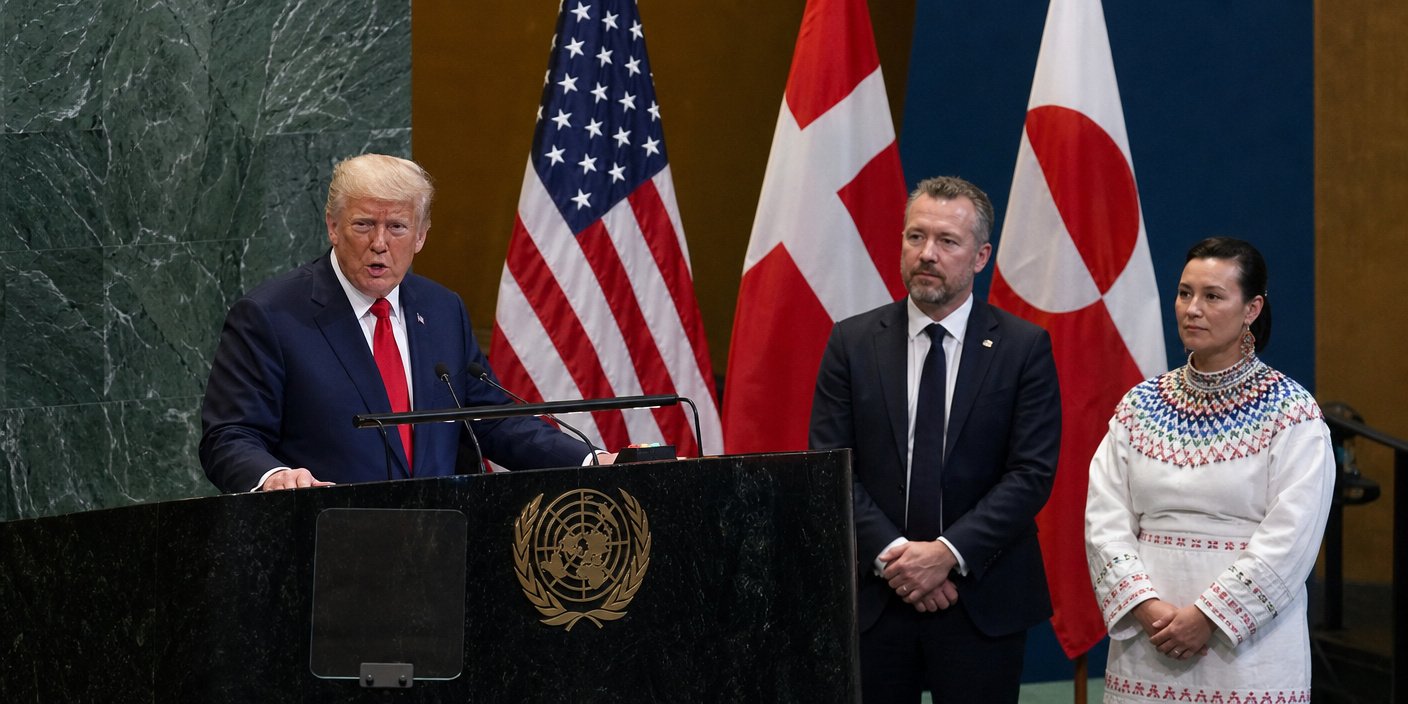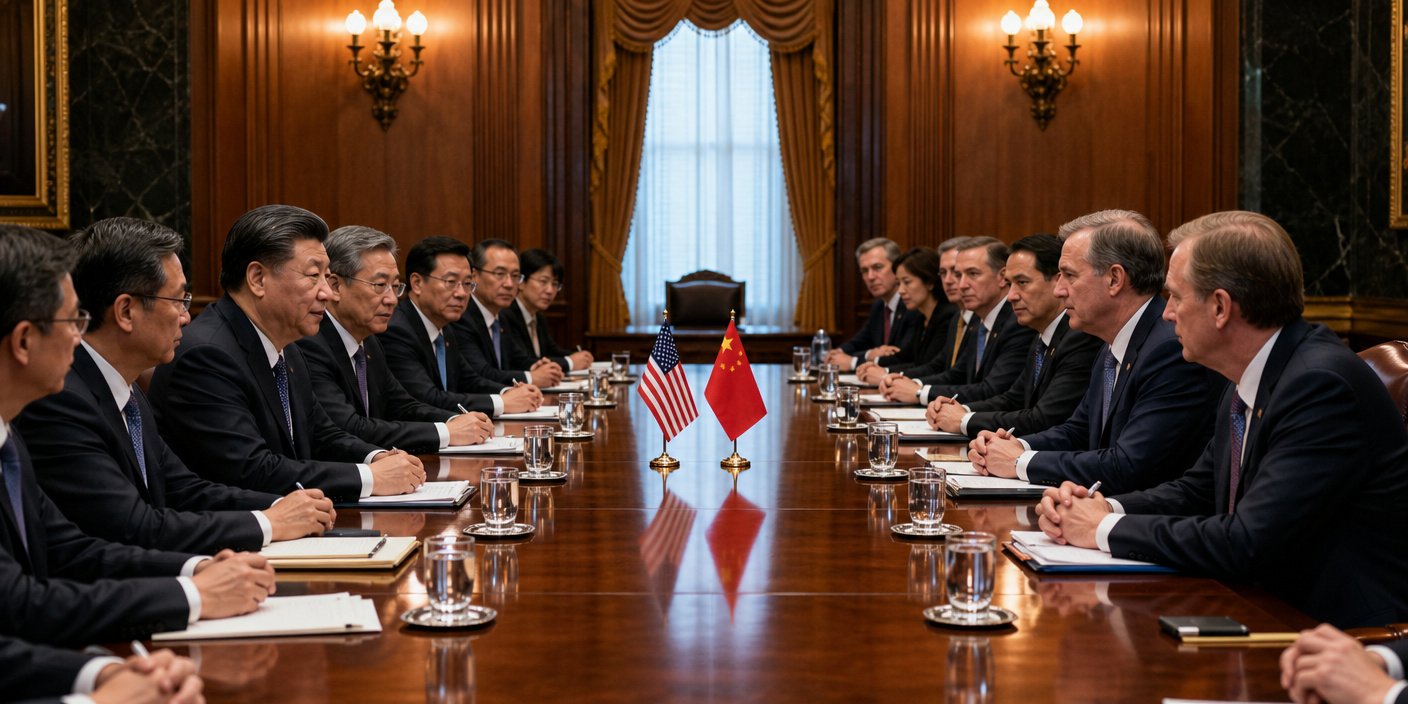
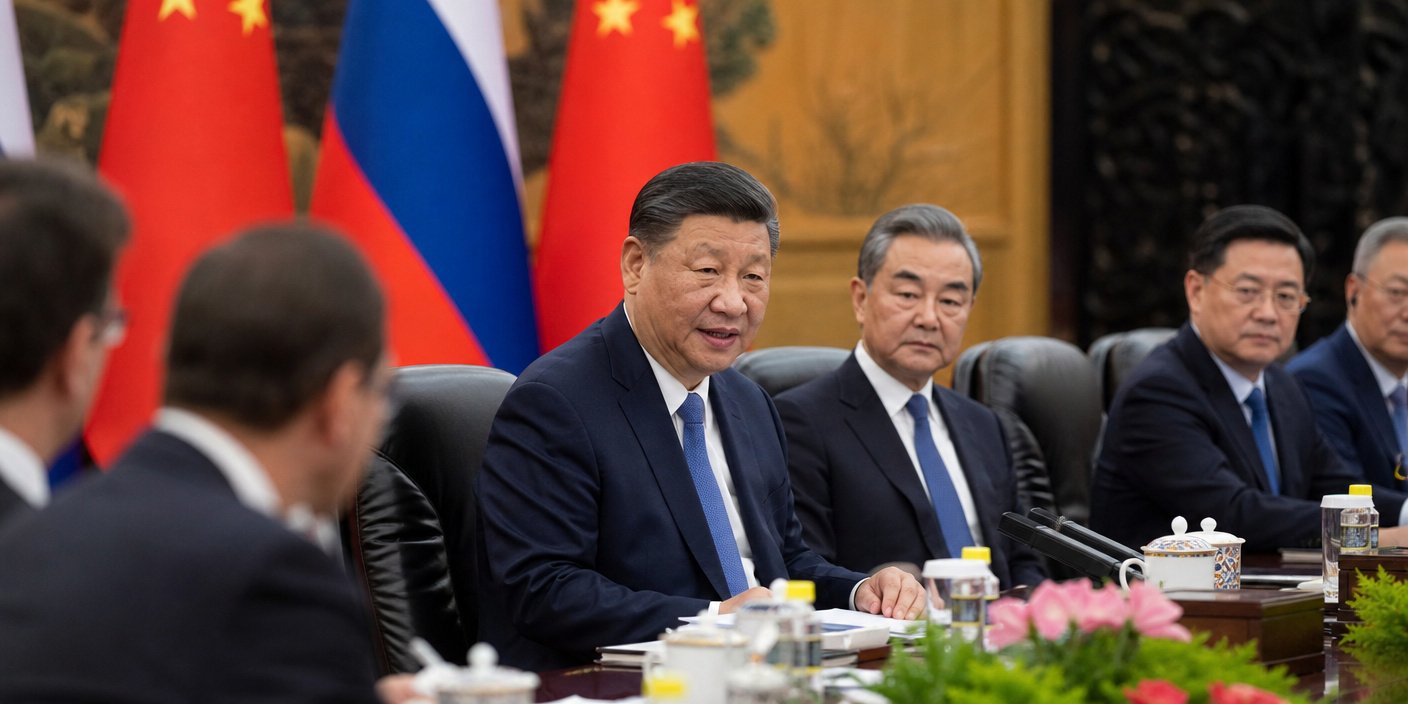
In a strategic bid to stabilize the world’s most consequential bilateral relationship, Chinese President Xi Jinping has consistently emphasized the necessity of strengthening communication and establishing military crisis mechanisms between Beijing and Washington. During high-stakes summits, including key engagements with President Donald Trump, President Xi has explicitly advocated for the creation of robust guardrails to prevent bilateral competition from spiraling into direct, catastrophic conflict. The core of this diplomatic push lies in avoiding what political scientist Graham Allison famously termed the ‘Thucydides trap’—a historical pattern where a rising power and a ruling power are structurally destined for war.
The Anatomy of the Thucydides Trap
The concept of the ‘Thucydides trap,’ rooted in the ancient historian’s account of the Peloponnesian War between Athens and Sparta, serves as the analytical foundation for Xi’s concerns. In the context of 21st-century diplomacy, the term suggests that the sheer friction of rising influence—economic, military, and technological—creates an environment where miscalculation is not just possible, but statistically probable. During summit-level dialogues, Xi has repeatedly stressed that the US and China must transcend this historical determinism. By framing the relationship through this lens, the Chinese leadership is actively signaling that while competition in trade and technology is an accepted reality, kinetic military conflict is a policy failure that must be engineered out of existence.
Strengthening Military Deconfliction Mechanisms
The most pressing aspect of these ‘guardrails’ is the establishment and maintenance of functional, real-time military crisis mechanisms. Historically, the US Department of Defense (DoD) and the People’s Liberation Army (PLA) have maintained various forms of direct communication lines. However, these channels have frequently been susceptible to degradation during periods of heightened geopolitical tension, such as disputes over freedom of navigation in the South China Sea or shifting policies regarding Taiwan.
Xi’s proposal during his diplomatic summits with US leadership has centered on transforming these sporadic lines of communication into ‘always-on’ strategic assets. The objective is to decouple minor military skirmishes—such as close-encounter maneuvers between aircraft or naval vessels—from the overarching diplomatic narrative. By institutionalizing communication, both nations aim to ensure that a localized incident at sea or in the cyber domain does not escalate due to a lack of situational clarity. Military experts emphasize that the success of these mechanisms relies on trust; the goal is to reach a stage where both militaries can de-escalate an incident via direct, secure, and authenticated channels before political actors feel compelled to retaliate.
The Economic and Geopolitical Stakes
The urgency of this diplomatic effort is underpinned by the massive economic interdependency of the two nations. With trillions of dollars in bilateral trade, any sustained conflict would result in an immediate, global systemic shock. For Xi, the ‘guardrails’ concept is not purely military; it is a prerequisite for continued economic development. A stable security environment is essential for maintaining the confidence of global supply chains, which are currently undergoing a period of intense restructuring.
Furthermore, the rhetoric surrounding ‘guardrails’ serves a broader geopolitical function. By consistently calling for communication, China positions itself as a responsible stakeholder capable of managing systemic risk. This narrative is crucial for maintaining diplomatic support among neutral nations and regional partners in the Indo-Pacific who are deeply concerned about being forced to choose sides in a binary conflict. The stability of the US-China relationship is essentially the floor upon which the global economy rests, and the failure to maintain this floor would have cascading effects on emerging markets, energy prices, and long-term investment strategies globally.
Future Trajectories for Crisis Management
Looking toward the future, the challenge of ‘guardrails’ shifts from the conceptual to the technical. Future agreements may move beyond simple telephone hotlines to include shared protocols for cyber-warfare de-escalation, space-based asset security, and automated defense system boundaries. As AI and autonomous systems begin to play larger roles in military command structures, the definition of a ‘crisis’ is evolving. The next generation of guardrails will likely require algorithmic transparency and mutual agreements on the limits of automated military responses. Ultimately, Xi’s emphasis on avoiding the Thucydides trap suggests a recognition that the old methods of managing great power competition are no longer sufficient for the digital, hyper-connected age. The stability of the international order may well depend on the ability of Washington and Beijing to effectively operationalize these verbal commitments into rigid, unshakeable mechanisms of peace.