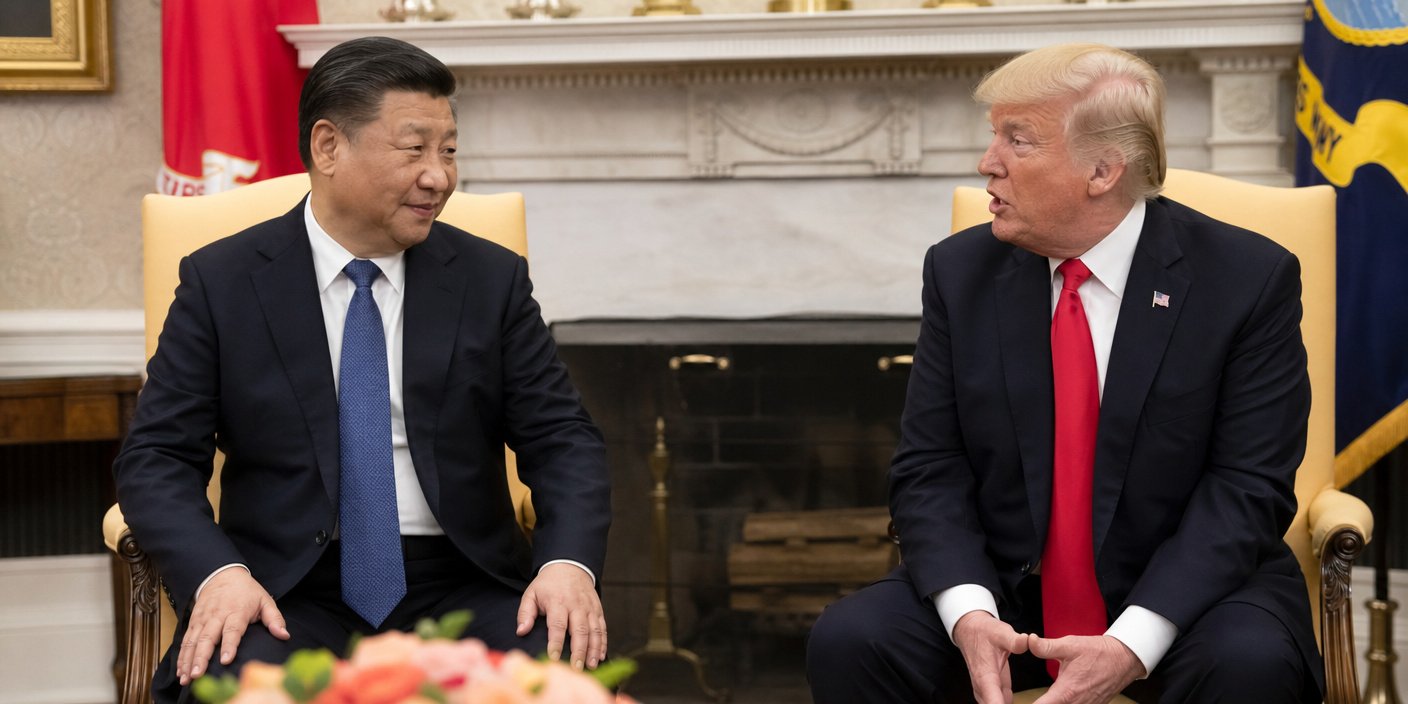
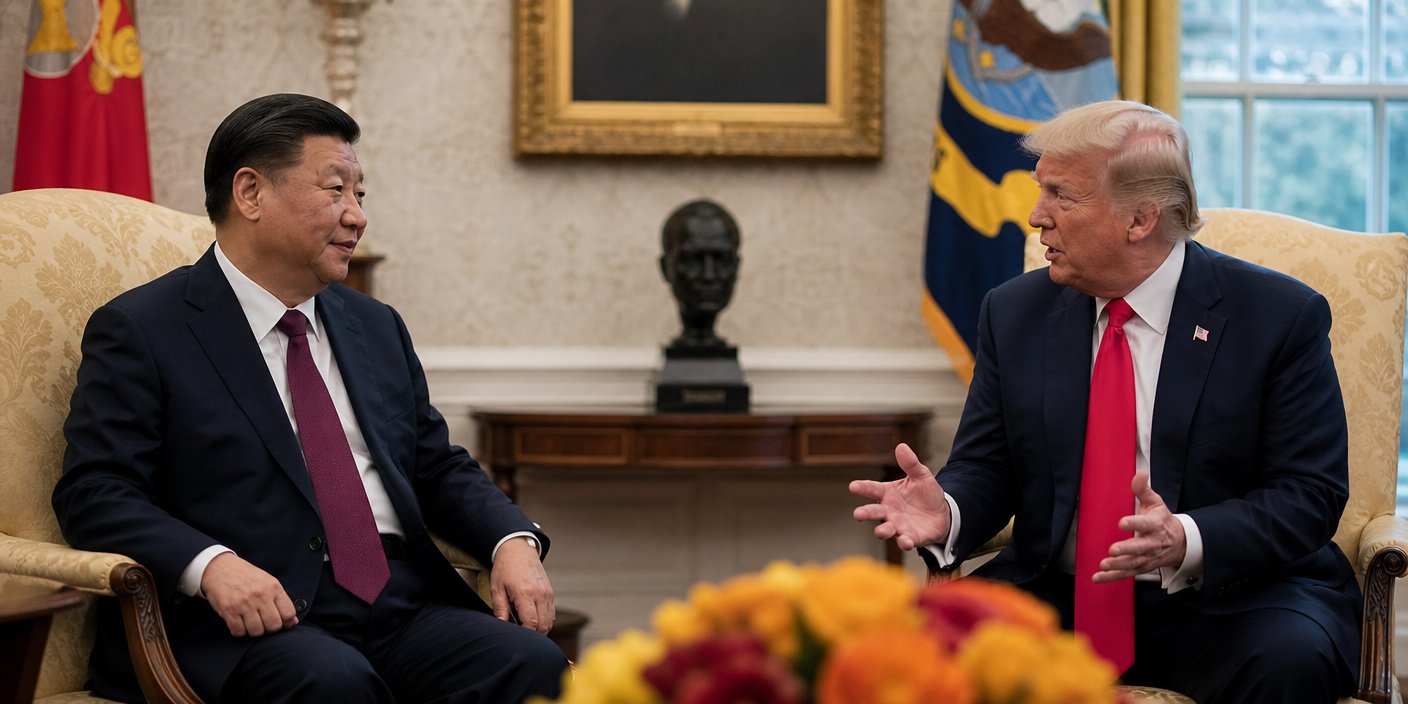
The recent high-stakes summit at the White House between Chinese President Xi Jinping and U.S. President Donald Trump has ushered in a renewed focus on diplomatic stability. At the center of the dialogue is President Xi’s explicit proposal to establish firm “guardrails” aimed at preventing strategic competition from spiraling into direct, catastrophic conflict. The meeting, which has captured global attention, emphasizes a shift toward structured military-to-military communication and risk reduction, seeking to stabilize a relationship characterized by years of friction and economic rivalry. As both nations navigate this volatile geopolitical landscape, the proposal for these guardrails serves as a potential mechanism to manage the world’s most consequential bilateral relationship.
- President Xi Jinping and President Donald Trump convened at the White House to address the urgent need for stabilizing U.S.-China relations.
- The central proposal focuses on “guardrails” designed to manage strategic competition and prevent inadvertent escalation.
- Enhanced military-to-military communication is identified as a critical priority to ensure misunderstandings do not lead to open conflict.
- The summit underscores a shared recognition that both nations must find a path to manage differences without dismantling the global economic and security frameworks.
Navigating the Framework of Global Strategic Competition
The Anatomy of ‘Guardrails’ in Modern Diplomacy
The concept of “guardrails” in the context of the U.S.-China relationship refers to a set of mutually agreed-upon protocols, communication channels, and boundary-setting mechanisms. These are not intended to resolve fundamental ideological or structural differences between the two nations, but rather to ensure that the competitive elements of the relationship do not cross into militarized zones or unintended hostilities. Historical precedents—such as the Cold War era “red phone” between the U.S. and the Soviet Union—highlight the necessity of a direct, reliable line of communication between military and political leadership during times of crisis.
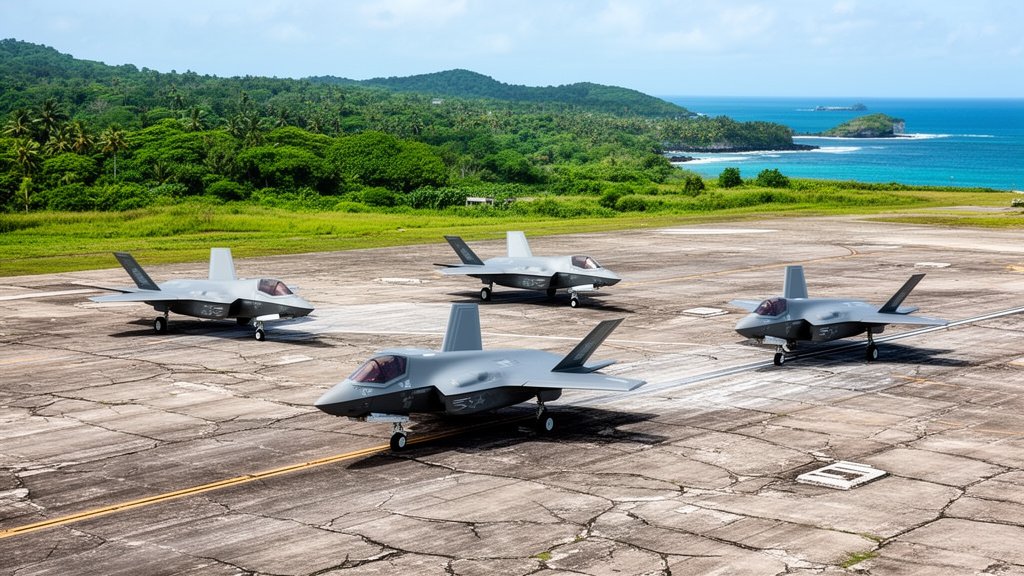
By proposing these guardrails, President Xi is signaling a preference for predictability. For the United States, the acceptance of such frameworks implies a willingness to engage in structured risk management. This involves clearly defining “red lines” in sensitive regions, such as maritime and aerial intersections where Chinese and American military assets frequently operate. The goal is to institutionalize these guardrails so that they persist regardless of political fluctuations in either Washington or Beijing, effectively creating a buffer zone of diplomatic reliability.
Military-to-Military Communication as a Stabilizer
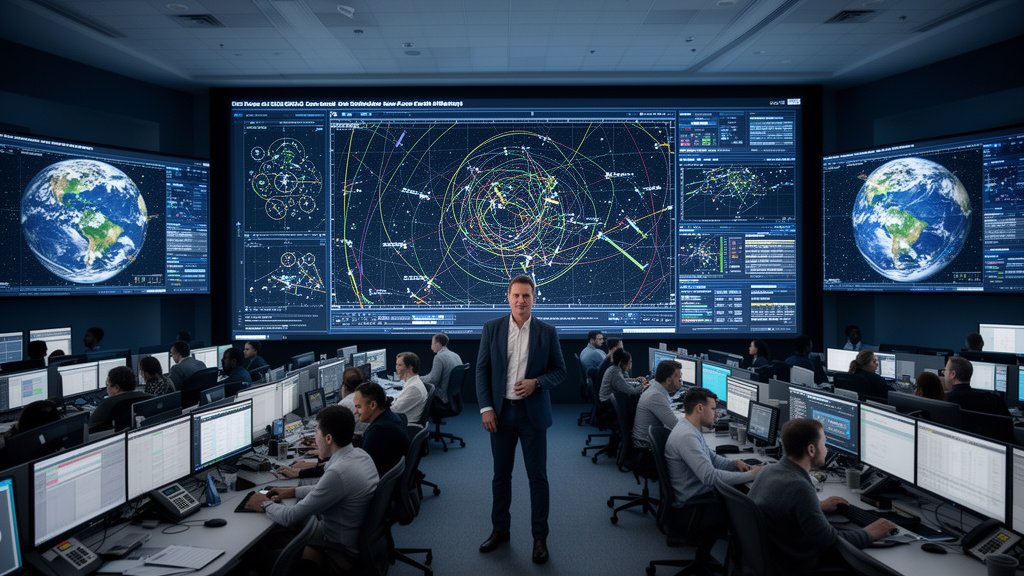
The most significant component of this diplomatic push is the restoration and fortification of military-to-military communication channels. In the past, these channels have been susceptible to suspension during periods of heightened tension, which left both sides vulnerable to miscalculation. A robust communication network allows commanders and policy advisors to clarify intentions in real-time, especially during exercises or encounters in international waters.
This communication is not merely about conflict avoidance; it is a tactical necessity in the age of rapid-response military technology. As both nations continue to invest heavily in cyber capabilities, hypersonic weaponry, and AI-driven defense systems, the margin for error has decreased significantly. The “guardrails” proposal acts as a safeguard against a “flash-point” scenario where a minor accident could escalate into a broader geopolitical crisis. By prioritizing this dialogue, the White House and the leadership in Beijing are effectively attempting to build a safety net that protects both national economies and global security.
Economic Implications and Market Stability
Beyond the immediate security implications, the proposed guardrails carry immense weight for the global economy. Trade uncertainty has long been a feature of U.S.-China relations, with supply chain disruptions and tariffs affecting markets from Tokyo to London. If these guardrails successfully reduce the probability of conflict or intense security-based trade decoupling, the international business community may find a more predictable landscape for investment and operations.
However, it is crucial to understand that these guardrails do not signify an end to economic competition. Both nations remain deeply entrenched in a struggle for technological supremacy, particularly in the sectors of semiconductors, artificial intelligence, and renewable energy. The diplomatic breakthrough is, instead, a realization that competition should be “managed” rather than “unconstrained.” Investors should view this as a potential floor for volatility, suggesting that while the competitive nature of the relationship remains, the likelihood of abrupt, chaotic shifts in trade policy or geopolitical security might be tempered by these new diplomatic protocols.
Future Outlook: From Dialogue to Implementation
The challenge moving forward lies in the transition from symbolic agreement to operational implementation. While the meeting between President Xi and President Donald Trump establishes a clear political directive, the actual efficacy of these guardrails will depend on the details negotiated by their respective diplomatic and military teams. Success will be measured by the consistency of military-to-military meetings, the establishment of a dedicated emergency hotline, and the adherence to mutually agreed-upon norms of behavior in contested areas.
Ultimately, the summit represents a tacit acknowledgment that both the United States and China occupy an interdependent global space. Whether the guardrails will hold under the pressure of future crises remains the critical question. Nevertheless, the explicit pivot toward structured communication marks a departure from the drift toward confrontation that has defined much of the recent discourse. By choosing to frame their competition with guardrails, both leaders are acknowledging that the cost of an unmanaged conflict is a burden that neither nation, nor the world, can afford to bear.
FAQ: People Also Ask
Q: What are the ‘guardrails’ specifically referring to in this context?
A: The term ‘guardrails’ refers to established communication protocols and mutually agreed-upon rules of engagement intended to prevent strategic competition from escalating into open, violent conflict or unintended military escalation.
Q: Why is military-to-military communication so vital?
A: Such communication is essential to prevent misunderstandings and miscalculations during military encounters. It provides a direct channel for leaders to de-escalate potential accidents before they become geopolitical crises.
Q: Does this mean the U.S. and China are no longer in competition?
A: No. The proposal aims to manage competition, not end it. Both nations maintain significant differences in ideology, economy, and geopolitical interests; the guardrails are designed to ensure that this competition remains within stable, non-hostile boundaries.
Q: Will these guardrails affect global trade?
A: By providing a more stable geopolitical environment, these guardrails could reduce volatility in international markets and provide a more predictable framework for multinational corporations operating within the U.S. and Chinese economies.