Russia launched a massive assault. It struck Kyiv on November 29, 2025. At least three civilians died. Dozens more sustained injuries.
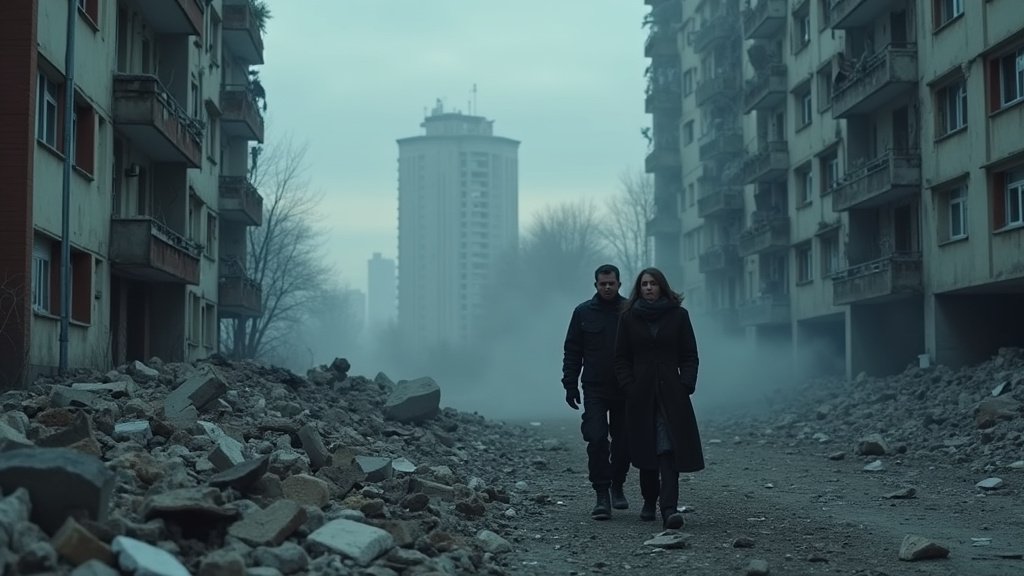
The capital endured drone and missile attacks. Residential areas were hit directly. Energy infrastructure also suffered damage. This caused widespread chaos.
Mayor Vitali Klitschko detailed the impact. He reported 29 people injured in Kyiv. Falling debris from intercepted drones struck buildings. Power outages hit western Kyiv.
The Kyiv City Military Administration stated more. A 42-year-old man was killed. His 10-year-old son was injured. The boy suffered burns and other harm.
The Russian barrage used many weapons. Dozens of missiles were fired. Hundreds of attack drones also flew. Nearly 600 drones were launched in total.
These tactics targeted civilian life. They aimed to sow fear. Homes and apartment blocks were hit. Fires broke out in many structures.
These Kyiv happenings are critical. They show Russia’s winter strategy. Moscow targets energy grids. The goal is breaking civilian resistance. Millions lost electricity and heat.
Over 500,000 customers lost power. This affected Kyiv itself. Many more in the region went dark. Fastiv and surrounding districts were cut off.
Meanwhile, a Ukrainian delegation journeyed west. They headed for the United States. Rustem Umerov leads this team. Their objective is achieving a dignified peace. They aim to end the war swiftly.
The delegation seeks renewed talks. President Zelenskyy emphasized this goal. They want a swift, substantive resolution. This mission is a crucial step.
Their discussions center on a US plan. President Trump initially proposed it. This was a 28-point draft. It drew criticism from allies. Many felt it favored Russia.
The original plan required Ukraine to cede territory. It also called for limiting military size. Ukraine would renounce NATO membership. Russia’s sovereignty over annexed regions was recognized.
However, negotiations refined the framework. It evolved into a 19-point deal. US and Ukrainian officials met. They worked on this in Geneva. This diplomatic process continues.
European counterproposals influenced this. They limited Russian gains. Questions over NATO membership were key. Ceding territory remained contentious.
US Special Envoy Steve Witkoff is key. He is set to visit Moscow. This visit signals engagement. Russia acknowledges some progress. However, maximalist demands may persist.
These global events are trending worldwide. The conflict’s future is uncertain. Moscow’s tactics appear dual-natured. It attacks while negotiating.
The situation offers an exclusive perspective. Ukraine fights on the ground. It also negotiates at the highest levels. Both actions shape the war’s course.
Ukraine’s chief of staff resigned. Andriy Yermak stepped down. This followed a corruption probe. The timing adds complexity.
This context surrounds the peace talks. EU officials urge distinguishing aggressor from victim. They stress a just and lasting peace. These are vital considerations.
The attacks are stark reminders. They contrast sharply with diplomatic hopes. The dual reality is clear. Russia continues its offensive actions.
Four people died in Kharkiv. This was from a separate drone attack. Russia also struck Chernihiv. Fires hit energy facilities there.
The warheads hit civilian homes. Vehicles also sustained damage. Injuries were reported widely. This indicates widespread destruction.
The coming weeks are critical. US envoys will meet Russian leaders. Ukraine seeks security guarantees. It hopes for an end to hostilities.
However, significant challenges remain. Russia’s demands are substantial. Ukraine’s resilience is tested daily. The war’s end is not assured.
The current happenings are intense. These moments define the conflict’s trajectory. Peace remains the ultimate, sought-after goal.