
The United States and Iran have engaged in a series of retaliatory attacks, intensifying tensions as diplomatic efforts to revive nuclear talks remain stalled. The latest exchanges underscore the precarious security situation in the Middle East and raise concerns about a wider escalation.
Key Highlights:
- Recent military actions by both the US and Iran have increased regional instability.
- Diplomatic channels for resuming nuclear negotiations appear to be at a standstill.
- The international community is closely monitoring the situation, urging de-escalation.
- The potential for a broader conflict looms as rhetoric and actions escalate.
Escalating Tensions in the Middle East
Amidst ongoing geopolitical maneuvering and stalled diplomatic progress on the nuclear front, the United States and Iran have traded new attacks, significantly heightening tensions in the already volatile Middle East. This cycle of aggression, characterized by reciprocal military actions, has amplified fears of a wider regional conflict and further complicated the prospects for reviving the Joint Comprehensive Plan of Action (JCPOA), commonly known as the Iran nuclear deal.
US-Iran Military Exchanges
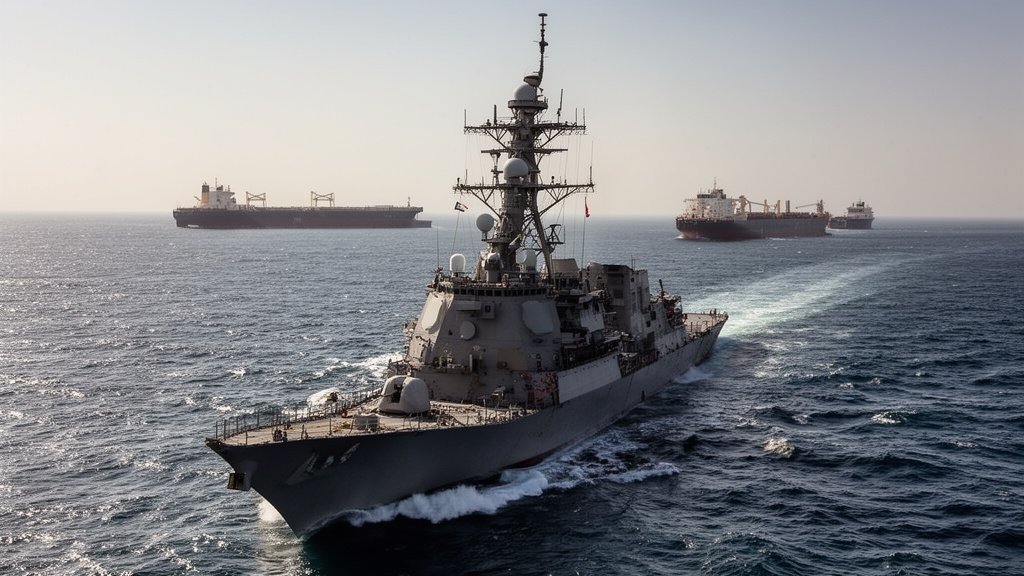
The recent wave of attacks began with actions attributed to Iran or its proxies targeting US interests and allies in the region. In response, the United States, often in coordination with allies, has launched retaliatory strikes against Iranian-backed groups or facilities. These actions are not isolated incidents but rather part of a protracted shadow war that has been simmering for years, now brought to a more visible and dangerous forefront. The nature of these exchanges varies, from drone attacks and missile strikes to naval confrontations in crucial shipping lanes.
The Stalled Nuclear Diplomacy
Simultaneously, efforts to bring Iran back into compliance with the JCPOA have faltered. The details of these stalled talks are complex, involving intricate negotiations over sanctions relief, uranium enrichment levels, and international inspections. Both sides have accused the other of intransigence, with hardline factions on both sides seemingly gaining influence, making compromise increasingly difficult. The current climate of military confrontation further erodes the trust necessary for substantive diplomatic progress, creating a vicious cycle where security concerns overshadow and undermine negotiation efforts.
Regional Instability and International Concerns
The heightened military activity has sent ripples of concern across the Middle East and the global stage. Neighboring countries are particularly vulnerable to the spillover effects of any escalation, fearing a broader conflict that could disrupt regional stability, impact energy markets, and exacerbate humanitarian crises. International bodies, including the United Nations, have called for restraint and dialogue, emphasizing the need to de-escalate tensions and return to diplomatic solutions. The United States has reiterated its commitment to defending its allies and interests while also signaling a willingness to engage in diplomacy, though concrete steps toward this have been limited.
Entities Involved and Their Stakes
The principal entities involved in this standoff include the United States government, representing Western interests and international security concerns, and the government of Iran, seeking to advance its regional influence and nuclear program. Key organizations such as the International Atomic Energy Agency (IAEA) play a crucial role in monitoring Iran’s nuclear activities, providing technical assessments that are vital to diplomatic discussions. Regional players like Saudi Arabia and Israel are also deeply invested, viewing Iran’s nuclear ambitions and regional posture as significant security threats. The ongoing exchanges are also influenced by internal political dynamics within both the US and Iran, with domestic pressures shaping foreign policy decisions.
FAQ: People Also Ask
What are the main points of contention in the US-Iran nuclear talks?
Disagreements primarily revolve around the extent of Iran’s uranium enrichment activities, the strictness of international inspections, and the scope of sanctions relief to be offered by the US and its allies.
How have recent attacks impacted regional stability?
The recent exchanges of fire have increased anxiety among regional powers, raised the risk of miscalculation, and strained already fragile diplomatic ties, contributing to a more volatile security environment.
What is the role of the IAEA in this situation?
The International Atomic Energy Agency is responsible for verifying that Iran’s nuclear program remains peaceful and for reporting on its compliance with the JCPOA’s provisions, including monitoring its enrichment activities and nuclear material.
Could these attacks lead to a direct war between the US and Iran?
While a direct, full-scale war is not inevitable, the increasing frequency and severity of retaliatory actions raise the risk of unintended escalation, potentially drawing the US and Iran into a wider conflict.
What are the potential economic consequences of escalating tensions?
Escalation could lead to further disruptions in global oil supply, increased energy prices, and broader economic instability in the Middle East and beyond, impacting international trade and financial markets.