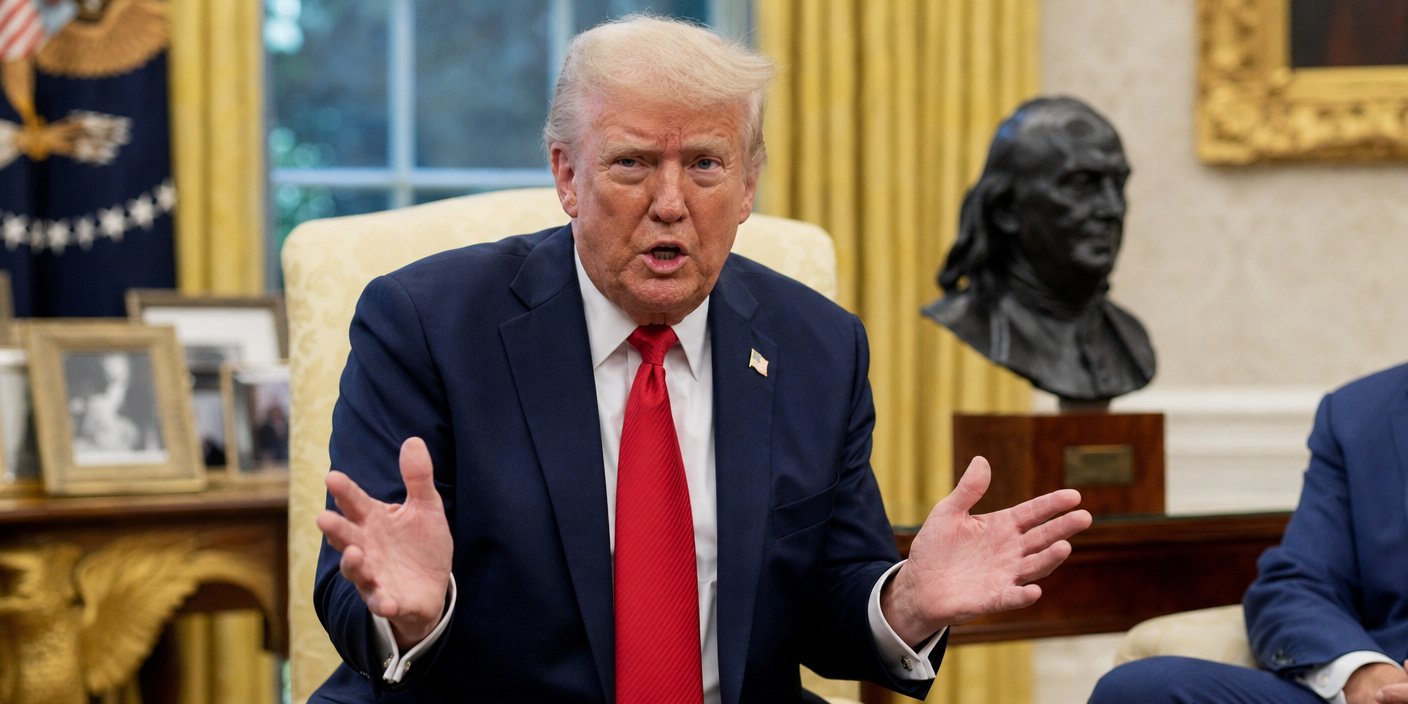
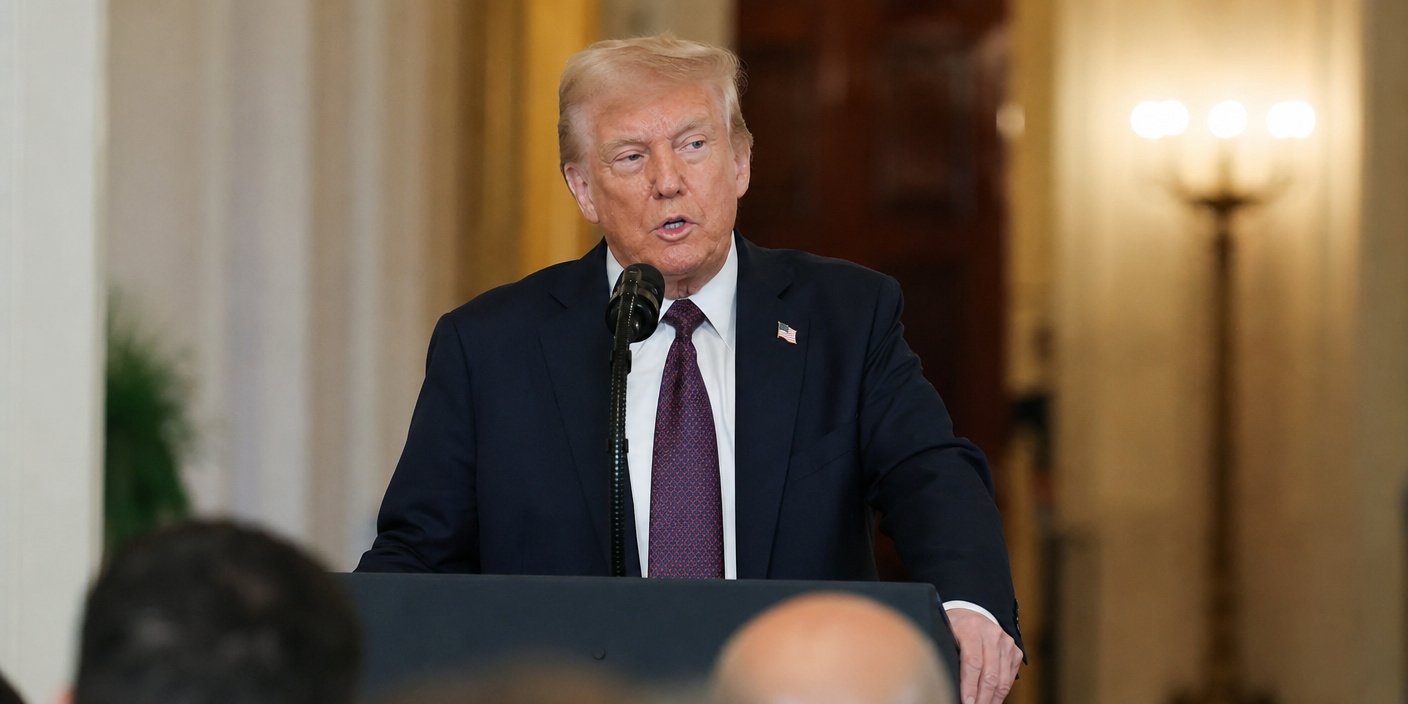
The relationship between the White House and the media has arguably never been as volatile as it was during the tenure of President Donald Trump. While the President frequently utilized his campaign rallies as a counter-narrative platform to the mainstream press, a specific flashpoint occurred when coverage regarding the dismissal of National Security Council (NSC) staff—an area of sensitive bureaucratic activity—took center stage at the White House Correspondents’ Association (WHCA) dinner. Trump, who famously boycotted the annual event during his presidency, was captured via campaign broadcasts and social media reactions responding to journalists receiving prestigious awards for their coverage of these administration-specific internal affairs. This article explores the tension surrounding that coverage, the nature of the President’s sarcastic commentary, and the broader implications for the American press corps.
The NSC Controversy: What Reporters Actually Found
The root of the conflict lies in the rigorous investigative reporting conducted regarding the National Security Council. Throughout the Trump administration, the NSC experienced significant high-level departures and internal restructuring that often leaked to major news outlets. Journalists from organizations such as The New York Times and The Washington Post were recognized by the White House Correspondents’ Association for their dedication to uncovering these shifts, which often spoke to broader concerns regarding administration stability and national security policy. The reporting, which detailed the abrupt exit of key personnel and the subsequent policy vacuums, was interpreted by the administration as politically motivated hostility. For the journalists, it was an exercise in transparency, shedding light on the mechanics of an administration that famously preferred to operate behind closed doors.
The Rhetorical Strategy: Mockery as Defense
President Trump’s reaction to these accolades was characteristic of his populist communication strategy. Rather than engaging with the substance of the investigative reporting, he focused his commentary on the act of the journalists being honored. In footage later analyzed by political pundits, Trump deployed heavy sarcasm, framing the awards not as achievements in journalism, but as validation of a coordinated ‘resistance’ against his policy goals. By reframing the investigation into the NSC—a traditionally non-partisan government entity—as a partisan hit job, the President effectively neutralized the impact of the revelations among his core voter base. His commentary aimed to paint the reporters not as seekers of truth, but as political operatives, a rhetorical tactic that shifted the focus from the content of the leaks to the intent of the media.
The Evolution of the Press Corps Relationship
This incident is a microcosm of the fundamental shift in the relationship between the executive branch and the Fourth Estate. Historically, the WHCA dinner served as a lighthearted ‘nerd prom’ where presidents and reporters could share jokes, bridging the gap between those who govern and those who cover them. During the Trump presidency, this tradition morphed into a site of ideological warfare. The awards honoring NSC coverage became a target for the President because they symbolized the effectiveness of the press in holding his administration accountable. This dynamic fundamentally altered how the public perceives journalistic awards; they are no longer viewed merely as milestones of professional excellence by all sectors of the electorate, but as markers of political identity, further polarizing the media landscape.
The Impact of NSC Leaks on Administration Policy
The leaks regarding the National Security Council were not merely ‘process’ stories; they often dictated the tempo of the administration’s foreign policy. When reporters exposed the internal friction leading to the departure of top advisors, it often forced the White House into a reactive posture. This cycle created a feedback loop: media leaks led to administration embarrassment, which led to sharper rhetoric from the President, which in turn increased the resolve of investigative reporters to dig deeper. Understanding this cycle is essential for comprehending the ‘war on the press’ that defined the era.
The Role of ‘Fake News’ in Shaping Public Perception
The President’s consistent labeling of mainstream media output as ‘fake news’ served as a protective barrier against investigations. By preemptively de-legitimizing any negative reporting, the administration was able to survive major leaks—including those related to the NSC—without significant shifts in public approval. This strategy relied on the audience’s willingness to prioritize the President’s narrative over verified reporting. The irony, of course, is that the very stories which sparked the most heated vitriol were often backed by multiple sources and later corroborated by official records, proving that the reporting was factual, even if it was politically inconvenient.
Psychological Implications of Political Sarcasm
The use of sarcasm by a sitting President serves a specific psychological function: it provides permission for supporters to dismiss uncomfortable information without needing to engage with the facts. When Trump mocked the reporters receiving awards, he provided his followers with an emotional shorthand for processing the media’s findings. By laughing at the journalists, the President signaled that the findings were ‘not serious’ or ‘not true,’ bypassing the cognitive load required to understand the complex bureaucratic shifts within the National Security Council. This is a powerful tool in political communication, effectively insulating the administration from the consequences of its own internal instability.
FAQ: People Also Ask
1. Did President Trump ever attend the White House Correspondents’ Association dinner?
No. President Donald Trump famously boycotted the White House Correspondents’ Association dinner during every year of his presidency (2017, 2018, and 2019), preferring to hold rallies or engage in other public activities instead.
2. What specific investigations led to the awards in question?
Journalists were honored for consistent, high-impact investigative work during the Trump presidency, particularly regarding the internal chaos, staff turnover, and policy disagreements within the National Security Council and other executive agencies.
3. Why did the President target this specific media coverage?
The President frequently attacked this reporting because it highlighted internal discord within his administration, which contradicted his public image of a ‘strong’ and ‘unified’ government. The sarcasm was a defense mechanism to delegitimize the credibility of the reports.
4. Did the sarcastic commentary affect the media’s reputation?
It created a polarized environment. While it significantly eroded trust among the President’s base, it also solidified the resolve of major news organizations to continue investigative work, often framing it as a vital defense of democratic norms.