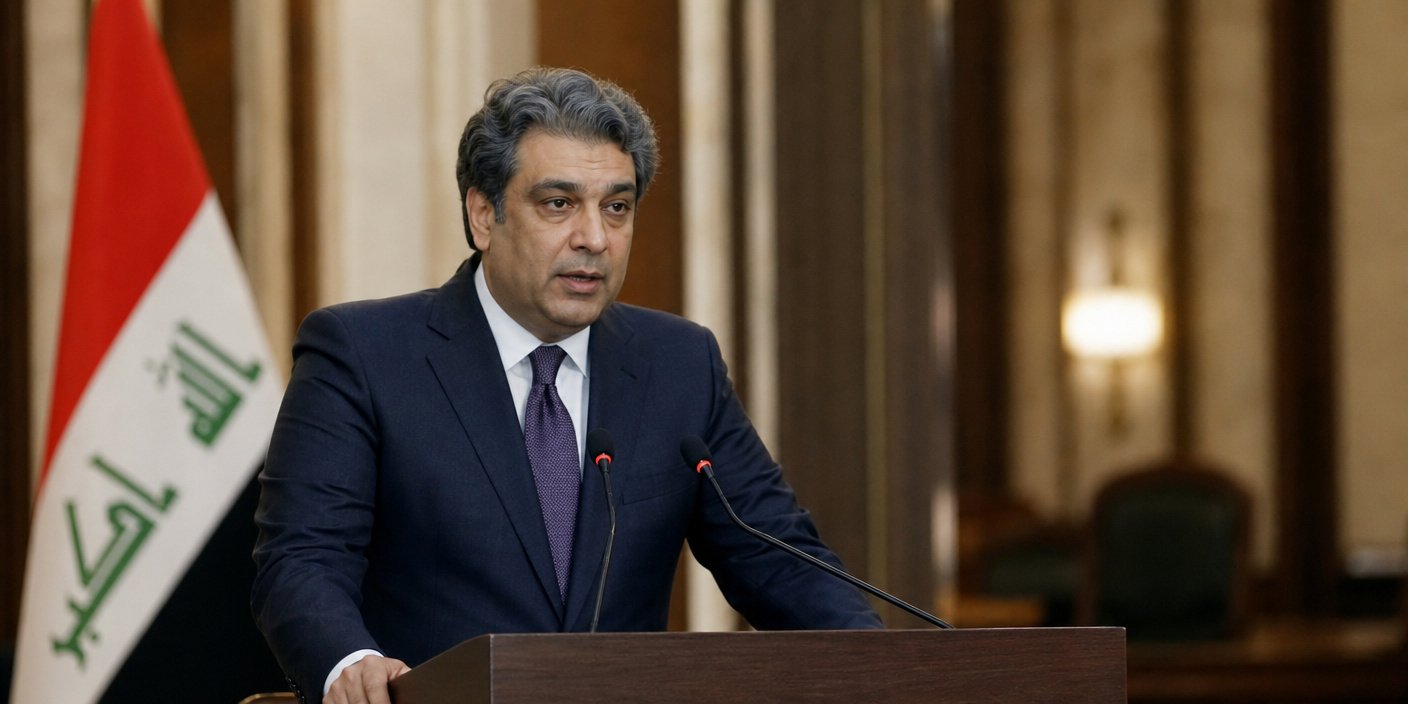
A coordinated military operation by US and Saudi forces against Iran-backed militias in Iraqi territory has triggered a severe diplomatic fallout, with Iraqi Prime Minister Ali al-Zaidi denouncing the uncoordinated strikes as a direct violation of national sovereignty and canceling a critical upcoming diplomatic visit to Riyadh. The incident marks a significant escalation in regional tensions, complicating the already fragile security landscape in Iraq and threatening to derail the delicate diplomatic overtures between Baghdad and its Gulf neighbors.
Key Highlights
- Uncoordinated Operations: US and Saudi forces executed military strikes against Iran-backed militia positions within Iraq without securing prior approval or coordination with the Iraqi government.
- Sovereignty Breach: Iraqi Prime Minister Ali al-Zaidi publicly condemned the action, framing it as an unacceptable breach of international protocols and Iraqi territorial integrity.
- Diplomatic Freeze: The immediate casualty of the operation is the planned high-level state visit to Saudi Arabia, which Al-Zaidi has officially cancelled, halting progress on regional economic and security cooperation.
- Regional Destabilization: The event highlights the growing friction between Western-backed regional military activities and the sovereign governance requirements of the Iraqi administration.
The Breakdown of Coordination and Diplomatic Trust
The fundamental issue fueling this crisis is the apparent failure of communication between the coalition forces and the Iraqi administration. International relations experts note that the effectiveness of the Strategic Framework Agreement—the document governing the presence and operations of coalition forces in Iraq—relies heavily on mutual transparency. By launching strikes against Iran-backed militias without explicit, contemporaneous coordination with the Iraqi government, US and Saudi forces have inadvertently placed the Al-Zaidi administration in a position of extreme domestic vulnerability.
Implications of the Sovereignty Argument
Sovereignty is the cornerstone of Prime Minister Al-Zaidi’s domestic policy. By failing to consult Baghdad, the coalition has forced the administration to prioritize its internal political standing over its external strategic partnerships. This creates a dangerous feedback loop: as the Iraqi government is forced to distance itself from the US-Saudi security architecture to satisfy domestic demands for sovereignty, Iran’s influence within the Iraqi parliament and security apparatus may paradoxically strengthen, as they frame themselves as the true defenders of Iraqi territory against ‘foreign aggression.’
The Strategic Pivot: Why the Saudi Visit Mattered
The cancelled trip to Saudi Arabia was not merely ceremonial; it was intended to be a watershed moment for Iraq’s economic diversification and regional integration. Iraq has been aggressively pursuing a policy of ‘regional neutrality,’ attempting to play the role of a mediator between Tehran and Riyadh. The strike has effectively frozen this diplomatic channel. Analysts suggest that Riyadh’s involvement in the strike—viewed as a departure from its recent diplomatic pivot toward de-escalation—has deeply confused observers who were banking on a softer Saudi approach to Iraqi internal security issues. The cancellation of the visit serves as a powerful signal that Baghdad will not compromise on its territorial authority, regardless of the economic incentives on the table.
Domestic Pressure on the Al-Zaidi Administration
The internal political cost of the strikes cannot be overstated. Prime Minister Al-Zaidi faces intense pressure from a coalition of parliamentary blocs, many of which maintain ideological or operational ties to the very militias that were targeted. For these factions, the strikes provide clear ammunition to argue that the current government is failing to protect the state from external actors. Al-Zaidi’s strong condemnation was a necessary political maneuver to prevent a no-confidence motion or a mass mobilization of opposition forces. However, this creates a short-term ‘win’ that may result in a long-term strategic headache: managing a government that is increasingly hostile to the very military presence required to keep the regional order intact.
The Future of US-Iraq Security Ties
Looking forward, the crisis necessitates a fundamental reassessment of how coalition military operations are conducted in contested environments. The doctrine of ‘unilateral action’ is rapidly becoming obsolete in an Iraq that is increasingly sensitive to the optics of foreign military presence. Unless a new, robust framework for notification and joint operations is established, the risk of further diplomatic ruptures remains high. The US and Saudi Arabia are now faced with a challenging question: how to target regional threats without simultaneously eroding the stability of the friendly government they seek to empower.
FAQ: People Also Ask
Q: Why did Iraq condemn the US and Saudi strikes?
A: The Iraqi government condemned the strikes primarily because they were conducted without coordination with the Iraqi state, which PM Ali al-Zaidi views as a direct violation of Iraq’s sovereignty and a breach of diplomatic protocol.
Q: What is the status of the diplomatic trip to Saudi Arabia?
A: The planned trip has been officially cancelled by Prime Minister Al-Zaidi following the military strikes, representing a significant freeze in the improving diplomatic relations between the two nations.
Q: How does this impact the presence of Iran-backed militias?
A: The strikes have escalated tensions, potentially strengthening the narrative of Iran-backed factions that claim to be the primary protectors of Iraq’s sovereignty, which could complicate future security efforts in the region.
Q: Was there a prior warning given to the Iraqi government?
A: According to reports following the event, the strikes were executed without coordination, meaning the Iraqi government did not receive the prior notification they require to maintain their stance on sovereignty.