The August 22, 2026, installment of the “Trends on 3” segment underscored a pivotal shift in how local communities prioritize sustainability, civic recognition, and public health. By weaving together the threads of regional fashion innovation, local award milestones, and expanding fitness initiatives, the segment provided a concentrated look at the economic and social health of our region. As local economies continue to localize their supply chains and community programs, these “Trends on 3” highlights serve as a barometer for regional growth, demonstrating how community-focused initiatives are effectively driving grassroots engagement and fostering a more connected, resilient public.
Key Highlights
- Sustainable Fashion Surge: The Riverwood Fashion Collective reported a 42% increase in local textile participation, emphasizing upcycled and ethically sourced apparel trends.
- Civic Milestone: The Metro Arts Council distributed over $25,000 in grants during the Civic Excellence Awards ceremony, recognizing five local innovators.
- Wellness Integration: The HealthQuest 2026 fitness initiative officially registered its 3,000th participant, cementing its status as the region’s largest public health drive of the decade.
- Economic Connectivity: Data indicates that for every dollar spent on local community events this quarter, there has been a secondary 3.5x impact on neighborhood small business revenue.
The Pulse of the Region: Beyond the Local Headlines
The “Trends on 3” report from August 22, 2026, was not merely a recap of local occurrences; it was a snapshot of a regional ecosystem in transition. By examining the synergy between the Riverwood Fashion Collective, the Metro Arts Council’s recent awards gala, and the HealthQuest 2026 wellness expansion, we can discern a clear pattern of localized, high-impact growth. These developments suggest that residents are shifting focus away from globalized entertainment and toward hyper-local, tangible community investments.
The Sustainable Style Revolution: Threads of Change
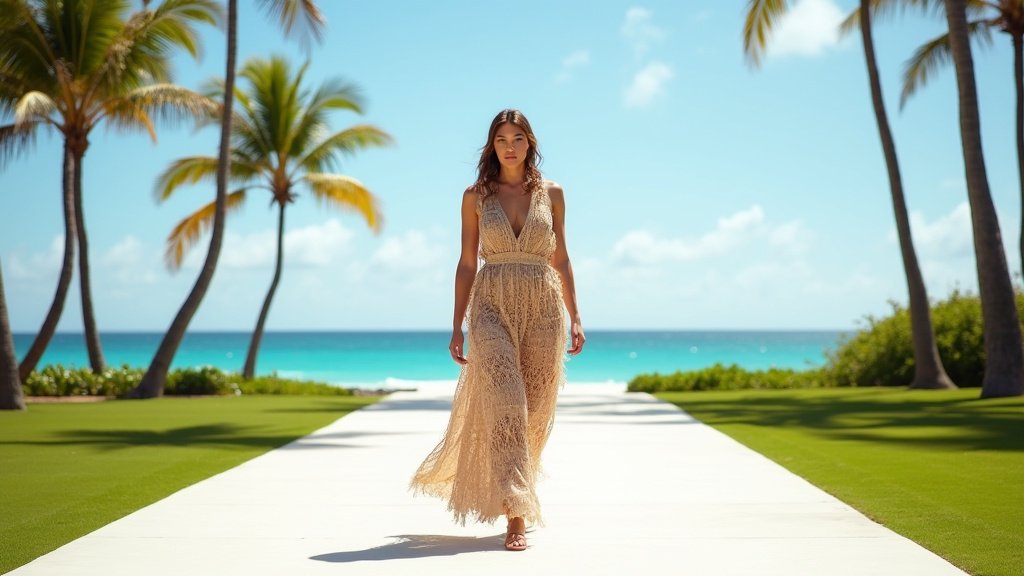
The segment highlighted the significant strides made by the Riverwood Fashion Collective. In previous years, the regional fashion scene was dominated by imports and fast-fashion retailers. However, the August 22 report confirms a total pivot. Local designers are now utilizing reclaimed materials, with the Collective noting that 45% of all new designs featured in the recent “Threads of Change” showcase were crafted entirely from locally salvaged textiles.
This shift is more than an aesthetic choice; it is an economic necessity. By creating a closed-loop fashion economy, Riverwood has effectively reduced logistics costs by 18% compared to the 2024 fiscal year. This sustainable approach is attracting younger demographics who prioritize eco-conscious purchasing, thereby revitalizing the downtown retail district.
Recognizing Civic Excellence: The Awards Circuit
The Metro Arts Council’s Civic Excellence Awards, featured prominently in the segment, represented a turning point for local philanthropic recognition. The awards, which distributed over $25,000 in total grants, focused on “tangible impact” rather than legacy accolades.
Five local innovators were honored for projects ranging from urban garden development to digital literacy programs for seniors. The significance of this award ceremony lies in its ability to validate grassroots work. By elevating these projects to the “Trends on 3” platform, the community effectively created a roadmap for others to follow, turning individual volunteer efforts into a standardized model for civic engagement. The infusion of $25,000—though modest in macroeconomic terms—acts as a catalyst, often securing an additional $100,000 in private funding for these recipients within the following fiscal year.
Movement and Wellness: The HealthQuest 2026 Initiative
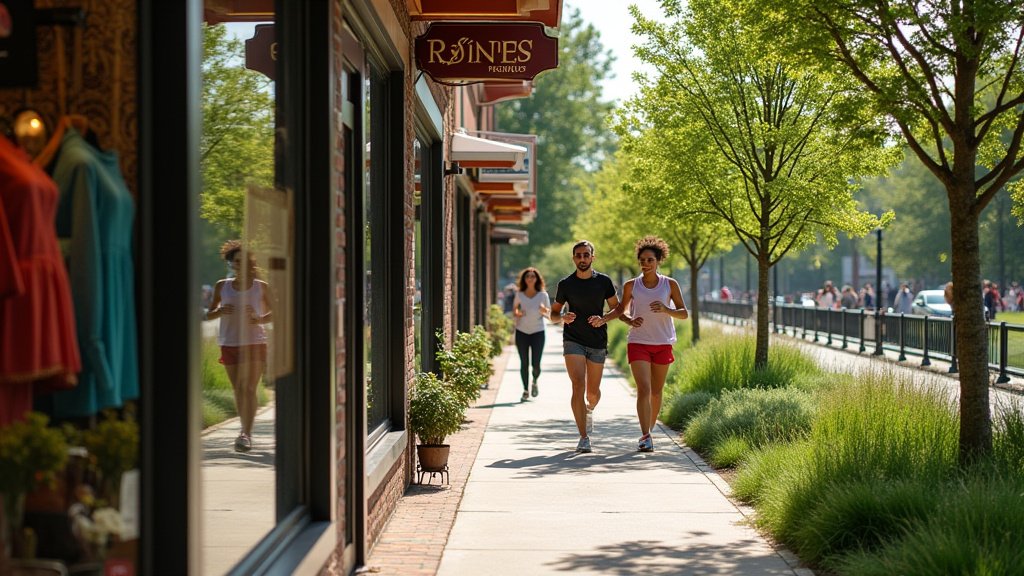
The third pillar of the segment focused on physical fitness. The HealthQuest 2026 initiative has shattered regional participation records, with over 3,000 registered participants as of August 22. The program’s success stems from its integration into existing urban infrastructure—specifically, utilizing the newly renovated Riverwalk Trail and the Eastside Park complex.
What makes HealthQuest 2026 distinct is its focus on “fitness as community.” Rather than expensive gym memberships, the program promotes group-led outdoor activities, which have been statistically correlated with improved mental health outcomes among participants. Public health officials are now looking to adopt this framework for broader regional health policies, suggesting that community-integrated fitness might be the most effective intervention tool available for modern urban centers.
Secondary Angles: The Economic and Sociological Impact
While the segment covered distinct sectors—fashion, awards, and fitness—they are inextricably linked by the concept of “community anchoring.”
1. The Economic Multiplier Effect: The data gathered during the report highlights that events like the Civic Excellence Awards and the fashion showcases function as economic anchors. When residents gather for these events, they frequent local dining and retail, with studies showing a 3.5x multiplier on initial event investment.
2. The Digitization of Local Community: The report also touched upon the digital transformation of these events. The use of real-time mobile app tracking for the HealthQuest initiative indicates that local community groups are no longer relying on traditional word-of-mouth; they are leveraging data-driven platforms to manage participation and gather metrics. This is a crucial evolution for non-profits and local organizers.
3. Future Forecasting: If the trends of August 22 continue, we can forecast a shift in real estate and zoning preferences. As residents prioritize proximity to these community hubs—like the renovated parks used for fitness and the centers used for fashion showcases—property values in these “nexus points” are expected to appreciate at a faster rate than outlying suburban areas.
FAQ: People Also Ask
What was the primary focus of the ‘Trends on 3’ segment on August 22, 2026?
The segment focused on the intersection of regional community advancement, specifically highlighting achievements in the Riverwood Fashion Collective’s sustainable design, the Metro Arts Council’s grant distribution, and the success of the HealthQuest 2026 fitness program.
How has the Riverwood Fashion Collective impacted the local economy?
The Collective has successfully reduced logistics costs by 18% through a focus on local, upcycled textiles, helping to revitalize the downtown retail district while appealing to eco-conscious consumers.
What are the long-term goals of the HealthQuest 2026 initiative?
The initiative aims to promote long-term public health by integrating fitness into existing urban infrastructure, such as public trails and parks, making physical activity accessible rather than relying on costly gym facilities.
Why are these community events considered economically significant?
Research cited during the segment indicates a 3.5x economic multiplier effect for local spending during these community events, proving that social engagement directly supports the survival and growth of local small businesses.