In a development that has triggered significant concern within the international security apparatus, British authorities have launched a high-stakes counter-terrorism investigation following the arrest of five men near a critical U.S.-run airbase in England. The incident, centered on the perimeter of Royal Air Force (RAF) Lakenheath in Suffolk, has prompted a multi-agency response, with officials explicitly looking into potential connections between the suspects and the Iranian state.
The Incident in Suffolk
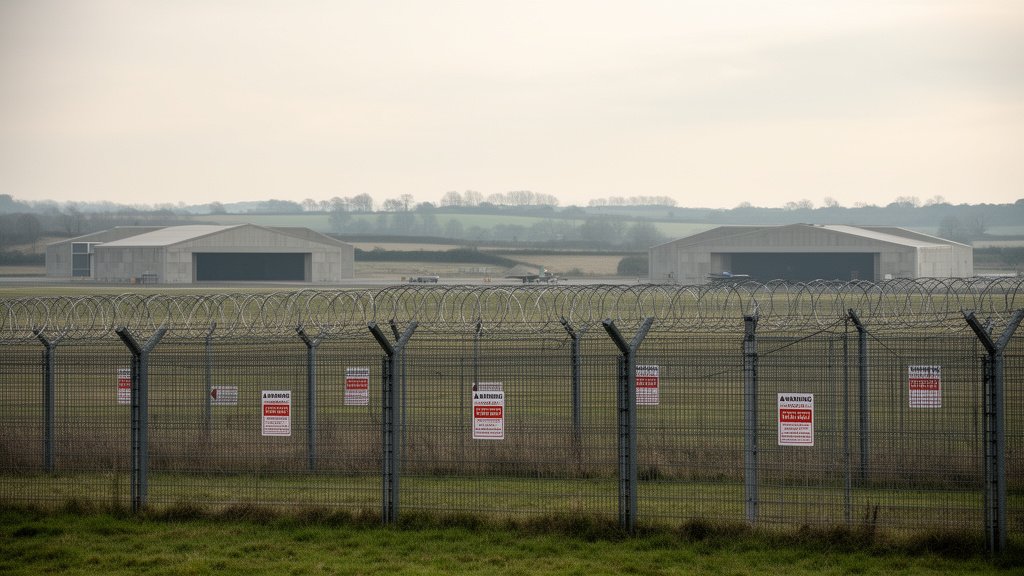
The arrests, carried out by officers from Suffolk Constabulary in coordination with Counter Terrorism Policing East, mark a significant escalation in regional security protocols. Authorities acted upon intelligence that led to the discovery of what has been described as “suspected explosives” in the vicinity of the base. This material, which is currently undergoing forensic analysis, serves as the focal point of the investigation.
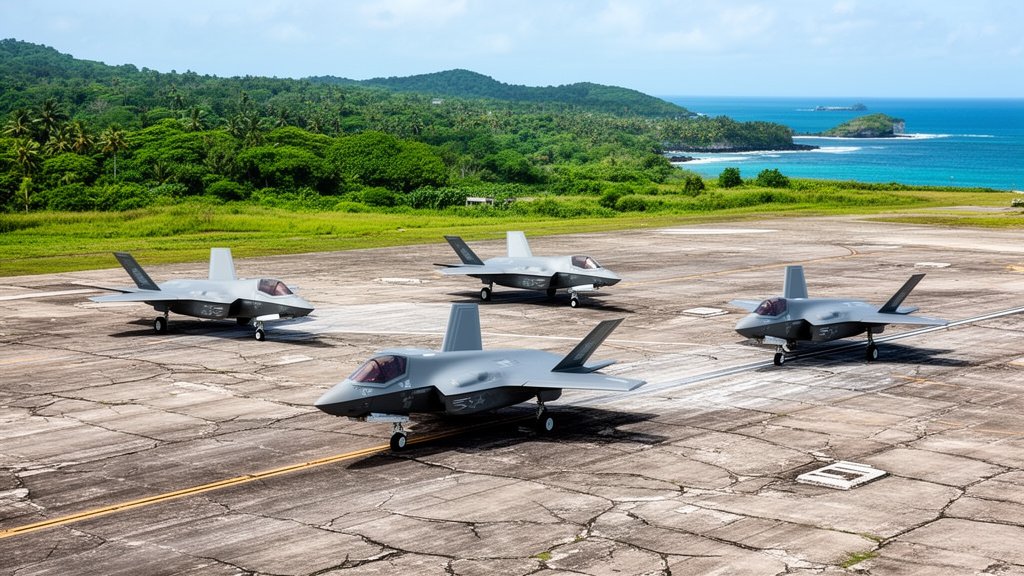
While the names of the five individuals have not been released due to the ongoing nature of the investigation, the specific proximity to RAF Lakenheath—a facility that hosts the 48th Fighter Wing of the United States Air Force—has drawn intense scrutiny. The base is not merely a logistical hub; it is the primary U.S. Air Forces in Europe (USAFE) base for F-35A Lightning II aircraft and serves as a linchpin for NATO’s defensive posture in the region.
Strategic Importance of RAF Lakenheath
The choice of location is not viewed by intelligence analysts as coincidental. RAF Lakenheath is arguably the most significant U.S. air base in the United Kingdom. Its strategic value stems from its operational readiness to project power across the European theater and its historical role in housing critical munitions. Any breach or attempted disruption at this site directly affects the United States’ operational readiness and the collective security architecture of the NATO alliance.
Counter-terrorism analysts suggest that the attempted infiltration of a perimeter housing, or in close proximity to, such high-value assets represents a shift in potential asymmetric warfare tactics. The investigation is operating under the assumption that the threat was not merely localized vandalism or a civilian breach, but a calculated effort to gather intelligence or deploy hazardous materials.
The Iran Connection and Intelligence Gathering
The most alarming aspect of this inquiry is the involvement of counter-terrorism experts tasked with examining links to the Islamic Republic of Iran. Relations between the United Kingdom, the United States, and Iran have deteriorated significantly over the past eighteen months, driven by the conflict in the Middle East and the proliferation of Iranian-backed militant groups across the globe.
British intelligence services, specifically MI5, have been increasingly vocal about the rise in state-sponsored plots on British soil. Officials have previously cited Iranian-backed networks as being responsible for various intimidation and surveillance attempts within the UK. This investigation effectively tests the hypothesis that these efforts have escalated from surveillance to the deployment of tactical assets near military installations.
Investigators are currently tracing the digital and financial footprints of the five arrested men. They are analyzing communication logs, travel patterns, and any potential funding sources that could be traced back to entities within the Iranian intelligence apparatus, specifically focusing on the Quds Force, which has historically been accused of directing such overseas operations.
Security Protocols and Public Safety
Following the arrests, security protocols around all U.S. facilities in the United Kingdom have been tightened. While the local police force has issued standard reassurances that there is no “immediate, wider threat” to the general public, the atmosphere in Suffolk remains tense. The use of the Terrorism Act (2000) to detain the individuals suggests that the police possess actionable intelligence that the suspects were planning to incite violence or damage national security assets.
This incident highlights a broader, troubling trend: the vulnerability of “soft” and “hard” targets within the UK to foreign state influence. As the investigation continues, it serves as a critical stress test for the cooperation between the Suffolk Constabulary and national counter-terrorism agencies. The ability to successfully prosecute these individuals will depend heavily on the forensic link between the materials found and the specific intent of the suspects. If a direct link to a foreign power is established, it will likely necessitate a diplomatic response from Whitehall, potentially leading to increased tensions with Tehran.
Future Implications for NATO and UK-US Relations
Looking forward, this incident will likely result in a permanent reconfiguration of security measures at RAF Lakenheath and other similar facilities. It is expected that the Pentagon and the UK Ministry of Defence will engage in a joint review of perimeter security, potentially involving the deployment of more advanced surveillance technology and increased patrols.
Moreover, the geopolitical ramifications cannot be understated. If the investigation confirms state-sponsored involvement, it provides concrete evidence for Western allies to lobby for further sanctions against Iranian entities. The incident underscores the reality that the war in the Middle East is not contained within the region; it has a reach that extends to the quiet countryside of England, challenging the notion of distance as a form of security.
FAQ: People Also Ask
1. What is the significance of RAF Lakenheath?
RAF Lakenheath is the largest U.S. Air Force base in the UK, home to the 48th Fighter Wing. It is a critical operational hub for F-35A jets and a vital asset for NATO’s security in Europe.
2. Are the suspects definitely linked to Iran?
The investigation is ongoing. While authorities are probing potential links to Iran, no official charges confirming a direct operational chain of command from Tehran have been filed as of yet.
3. What was the nature of the materials found?
Authorities have described the items as “suspected explosives,” but they are currently undergoing forensic examination by specialists to determine their potency, origin, and intended use.
4. Is there an ongoing threat to the public?
Suffolk Constabulary and counter-terrorism officials have stated there is no immediate, wider threat to the public, though security remains heightened around military installations.